Hey there! I’m a supplier in the silicone extrusion business. I’ve got tons of experience dealing with silicone extruded products, and one question that comes up a lot is how to improve the UV resistance of these products. So, I thought I’d write this blog to share some insights on this topic based on my hands – on experience. Silicone Extrusion
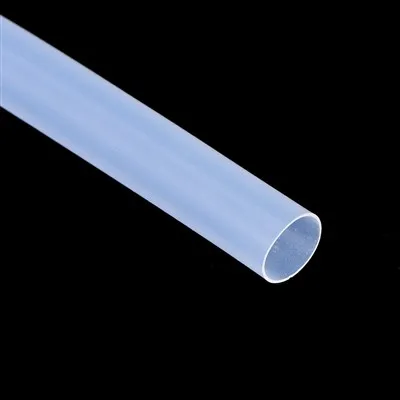
1. Understanding the Problem of UV Damage to Silicone Extruded Products
First off, let’s talk about why UV resistance is such a big deal for silicone extruded products. When silicone is exposed to UV rays from the sun, it can go through some pretty undesirable changes. The UV rays can break the chemical bonds in the silicone, which may lead to discoloration. You know, the nice, clean – looking silicone product starts to turn yellow or brown, which doesn’t look great, especially for products used in visible applications.
It can also cause cracking and loss of elasticity. Silicone is often used because of its flexibility and durability. When it loses its elasticity due to UV damage, it becomes brittle and more likely to crack. This is a huge problem for products like seals, gaskets, and hoses, as a crack can lead to leaks and a loss of functionality.
2. Choosing the Right Silicone Base
The type of silicone you start with plays a crucial role in determining its UV resistance. There are different grades of silicone out there, and not all of them are created equal when it comes to withstanding UV rays.
High – temperature vulcanized (HTV) silicone is a popular choice. It generally has better overall durability and can offer a baseline level of UV resistance. However, if you’re looking for top – notch UV protection, you might want to consider special – grade silicone that’s formulated specifically for outdoor use. These silicones often have additives built – in during the manufacturing process to enhance their UV resistance.
When I’m working with customers, I always ask about their intended application. If it’s a product that will be exposed to the sun constantly, I’ll recommend these high – performance, UV – resistant silicone bases right off the bat.
3. Adding UV Stabilizers
One of the most effective ways to boost the UV resistance of silicone extruded products is by adding UV stabilizers. These are chemicals that are mixed into the silicone compound during the production process.
There are two main types of UV stabilizers: absorbers and quenchers. UV absorbers work by absorbing the UV rays and converting the energy into heat, which is then dissipated. This way, the UV energy never gets to the silicone polymer itself, reducing the risk of damage.
Quenchers, on the other hand, react with the free radicals that are formed when the silicone is exposed to UV rays. Free radicals are highly reactive molecules that can break the chemical bonds in the silicone. By neutralizing these free radicals, quenchers prevent the chain reaction of damage from occurring.
I’ve found that a combination of different types of UV stabilizers often works best. It’s like having multiple layers of defense for your silicone product. But you have to be careful with the dosage. Too little, and the protection won’t be sufficient. Too much, and it can affect the other properties of the silicone, like its flexibility and hardness.
4. Pigmentation and UV Resistance
You might not think that the color of your silicone product has anything to do with its UV resistance, but it actually does. Dark – colored pigments, like black, tend to have better UV – blocking properties compared to light – colored or clear silicones.
Black pigments in silicone act as natural UV absorbers. They can soak up a significant amount of the UV rays before they reach the silicone matrix. This is why you often see a lot of outdoor silicone products, such as seals on automotive windows or outdoor electrical insulation, in black color.
However, if you need a product in a different color, there are still options. Specialized pigments are available that are formulated to enhance UV resistance even in non – black colors. These pigments are designed to work in tandem with the UV stabilizers in the silicone to provide adequate protection.
5. Surface Treatment
Another way to improve the UV resistance of silicone extruded products is through surface treatment. There are a few different methods here.
One option is applying a protective coating. These coatings act as a barrier between the silicone and the UV rays. They can be made from materials like polyurethane or acrylic, which have good UV – blocking properties. The coating can be applied using various techniques, such as spraying or dipping.
Plasma treatment is also an interesting option. This involves exposing the surface of the silicone to a plasma field, which modifies the surface structure of the silicone. The modified surface can be more resistant to UV damage, and it can also improve the adhesion of any subsequent coatings.
I’ve seen great results with surface treatments. They can add an extra layer of protection, especially for products that are going to be in harsh outdoor environments.
6. Quality Control During Production
Equally important as these techniques is maintaining strict quality control during the production process. Even if you use the best silicone base, UV stabilizers, and pigments, if the production process isn’t right, the final product may not have the desired UV resistance.
Temperature and mixing are two critical factors. The silicone compound needs to be mixed thoroughly to ensure that the UV stabilizers and pigments are evenly distributed. If there are pockets where these additives are missing, those areas will be more vulnerable to UV damage.
The curing process also matters. If the silicone isn’t cured properly, its molecular structure may not be stable, which can affect its overall resistance to UV and other environmental factors.
So, we’ve got a bunch of quality control checks in place. We test the incoming raw materials to make sure they meet our standards. During the production process, we monitor the temperature, mixing time, and other parameters closely. And after the products are made, we subject them to various tests, including UV exposure tests, to ensure they have the right level of UV resistance.
Conclusion
Improving the UV resistance of silicone extruded products is a multi – faceted process. It involves choosing the right silicone base, adding UV stabilizers, being smart about pigmentation, applying surface treatments, and maintaining strict quality control during production.
As a silicone extrusion supplier, I’m always here to help you find the best solutions for your specific needs. Whether you’re making automotive parts, consumer goods, or industrial equipment, I can work with you to develop a silicone extruded product with excellent UV resistance.
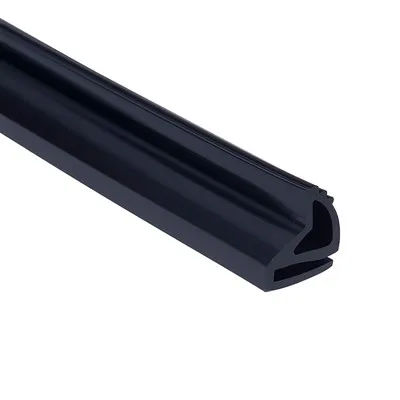
If you’re interested in discussing your project or have any questions about our silicone extrusion products and how we can improve their UV resistance, don’t hesitate to reach out. We can have a chat about your requirements and come up with a customized solution.
Silicone Household Items References
- "Silicone Technology: A Comprehensive Guide" – A general resource on silicone properties and manufacturing.
- "UV Degradation and Stabilization of Polymers" – A research paper focusing on the science behind UV damage to polymers and how to prevent it.
- Industry reports on advancements in silicone materials for outdoor applications.
Dongguan Hengyue New Material Technology Co., Ltd.
As one of the most professional silicone extrusion manufacturers and suppliers in China, we also support customized service. We warmly welcome you to wholesale bulk cheap silicone extrusion from our factory. If you have any enquiry about quotation and free sample, please feel free to email us.
Address: Building 2, No. 3, Yindou Third Road, Qingxi Town, Dongguan City, Guangdong Province
E-mail: dghengyue@126.com
WebSite: https://www.hengyuesilicone.com/
