Hey there! I’m working with an axial piston motor supply business, and I get tons of questions about how these little machines work, especially when it comes to the lubrication method. So, let’s dive right in and break this down. Axial Piston Motor
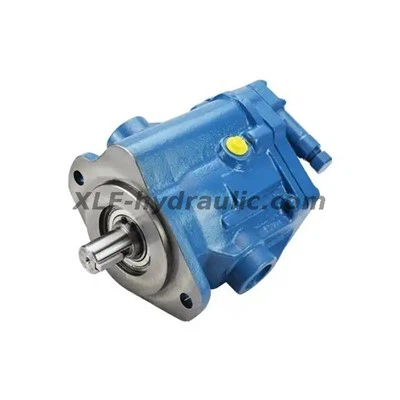
Basics of Axial Piston Motors
Before we jump into the lubrication part, let’s quickly talk about what an axial piston motor is. It’s a type of hydraulic motor that uses pistons arranged axially to convert hydraulic energy into mechanical energy. These motors are super popular in all sorts of heavy – duty machinery, like construction equipment, agricultural machines, and industrial robots. They’re known for their high power density, efficiency, and ability to handle high pressures.
Why Lubrication is Crucial
Lubrication in an axial piston motor isn’t just a nice – to – have; it’s a must – have. First off, it reduces friction between moving parts. In an axial piston motor, there are pistons sliding in and out of cylinders, a swashplate that the pistons interact with, and other components that are constantly in motion. Without proper lubrication, all this friction would generate a ton of heat, wear down the parts quickly, and eventually lead to motor failure.
Secondly, lubrication helps to seal the gaps between different components. This is important because it prevents hydraulic fluid from leaking out, which is essential for maintaining the motor’s efficiency. A well – lubricated motor can operate at peak performance, delivering the power and torque that the machinery needs.
Different Lubrication Methods
Splash Lubrication
One of the simplest and oldest lubrication methods is splash lubrication. In this system, there’s an oil sump at the bottom of the motor housing. As the motor runs, some of the moving parts, like the pistons or gears, dip into the oil sump. When they do, they splash the oil onto other components inside the motor.
The advantage of splash lubrication is its simplicity. It doesn’t require any complex pumps or plumbing, which means it’s relatively inexpensive to implement. However, it also has its limitations. For one thing, it can’t provide a consistent and precise amount of lubrication to all the parts. Some areas might get too much oil, while others might not get enough. Also, as the motor runs faster, the splashing action might not be enough to reach all the necessary parts.
Pressure Lubrication
Pressure lubrication is a more advanced method. In this setup, there’s an oil pump that draws oil from the sump and pressurizes it. The pressurized oil is then sent through a network of passages and channels to all the critical components of the motor, such as the pistons, bearings, and the swashplate.
The big benefit of pressure lubrication is that it can deliver a precise and consistent amount of lubrication to every part of the motor. This ensures that all components are properly lubricated, reducing wear and tear and improving the motor’s overall lifespan. It can also handle higher speeds and loads better than splash lubrication.
However, the downside of pressure lubrication is that it’s more complex and expensive. There’s the cost of the oil pump, the additional plumbing, and the need to maintain and monitor the pump. If the pump fails, it can quickly lead to motor damage.
Mist Lubrication
Mist lubrication is a bit more specialized. In this method, the oil is turned into a fine mist and then sprayed into the motor housing. The mist can reach areas that are difficult to access with other lubrication methods.
This type of lubrication is great for situations where you need to minimize the amount of oil used, like in some high – precision machinery. It also helps to keep the motor cooler because the mist can absorb heat. However, it requires a specialized mist – generating system, which adds to the cost. And if the mist isn’t distributed evenly, some parts might not get enough lubrication.
Factors Affecting Lubrication Choice
When choosing a lubrication method for an axial piston motor, there are several factors to consider.
Motor Size and Speed
Smaller motors with lower speeds might be able to get away with splash lubrication because it’s simple and cost – effective. But as the motor size increases or the speed goes up, pressure lubrication becomes a better option. Higher speeds generate more heat and require a more consistent supply of lubricant to prevent damage.
Load Requirements
If the motor is going to be used in high – load applications, like lifting heavy loads in construction equipment, pressure lubrication is usually the way to go. It can handle the increased stress and ensure that all parts are well – lubricated even under heavy loads.
Operating Environment
The environment where the motor will be used also matters. In dirty or dusty environments, a well – sealed pressure lubrication system can prevent contaminants from getting into the oil and damaging the motor. In contrast, if the motor is used in a clean, dry environment, splash lubrication might be sufficient.
Our Role as a Supplier
As an axial piston motor supplier, we know how important it is to choose the right lubrication method for our customers. When working with a client, we take the time to understand their specific needs, including the size of the machinery, the load requirements, and the operating environment.
We offer motors with different lubrication systems, so we can match the right motor to the right application. We also provide advice on lubricant selection. Not all oils are created equal, and using the wrong lubricant can have a big impact on the motor’s performance and lifespan. We can recommend the best lubricant based on the motor’s specifications and the customer’s operating conditions.

If you’re in the market for an axial piston motor and want to learn more about the best lubrication method for your needs, don’t hesitate to reach out. We’re here to help you make the right decision and ensure that your motor runs smoothly for years to come. Whether you’re a small – scale equipment operator or a large industrial company, we’ve got the expertise and the products to meet your requirements.
Paker Series Contact us today to start a conversation about how we can provide you with the perfect axial piston motor and guide you through the lubrication process. Let’s work together to keep your machinery running at its best!
References
- "Hydraulic Motors: Principles, Types, and Applications" – A comprehensive industry book on hydraulic systems and motors.
- "Lubrication Technologies for Industrial Machinery" – A research publication focusing on different lubrication methods for various industrial equipment.
Wuhan Xinlaifu Hydraulic Equipment Co., Ltd.
Wuhan Xinlaifu Hydraulic Equipment Co., Ltd. is one of the most professional axial piston motor manufacturers and suppliers in China, featured by high quality OEM&ODM products. Please feel free to buy customized axial piston motor from our factory.
Address: Liansu Industrial Park, No.1, Xincheng 11th Road, Dongxihu District, Wuhan, Hubei, China
E-mail: service@xlf-hydraulic.com
WebSite: https://www.xlf-hydraulic.com/
