Hey guys, let’s cut to the chase—if you’re in the pet food game, you know how heavy packaging costs hit your bottom line. And if you’re a pet parent, you’ve probably side-eyed that bulky bag of kibble at the store, wondering how much of it is actual food vs. air (or worse, useless extra packaging). Here at my pet food packaging supply shop, we’ve spent years testing ways to slim down that packaging without turning around and messing up the quality that matters most—keeping your pet’s food fresh, safe, and easy to use. No fluff, just real, actionable stuff we’ve actually put to the test for real clients. Pet Food Packaging

First off, let’s get one myth out of the way: lighter packaging doesn’t mean weaker packaging. We used to think that if we trimmed grams off, we’d get leaks, or the bag would tear mid-transit, or the food would go stale in 2 days. Nope—after 3 years of testing different materials, that’s 100% wrong. The key is ditching the one-size-fits-all mindset that most big brands stick to. Like, think about what your pet food actually needs. Is it dry kibble that just needs to keep moisture and bugs out? Or is it wet, perishable stuff that needs an airtight seal? Those two cases are totally different, so you shouldn’t use the same heavy material for both.
For dry pet food (the stuff that makes up like 70% of the market, right?), we recently worked with a mid-sized dog food brand that was using a 55g multi-layer plastic bag for their 5lb kibble line. We swapped it out for a 42g optimized multi-layer film, same barrier properties, just tighter layering and thinner, more precise material. The cool part? We didn’t skimp on the tear resistance—we reinforced the critical stress points (the top gusset and the bottom seal, where bags usually split) with a thinner, high-tensile adhesive layer instead of a whole extra plastic layer. Their shipping damage rate dropped by 8% (less waste, less cost) and their materials cost per bag went down by 12 cents. That might sound small, but when you’re shipping 100,000 bags a month, that’s $12k in your pocket you weren’t before.
Wait, let’s talk about barrier layers because that’s the big one that people mess up. Most packaging uses 3 or 4 layers just for barrier—one for moisture, one for oxygen, maybe a layer to keep printing from rubbing off. We tested moving to a co-extruded mono-material film that does all that in two layers, not four. For cat treats, which are super sensitive to oxygen (they go rancid fast), this thin co-ex film kept the treats fresh for 18 months, same as the old 5-layer bag. The weight? 30% less per bag. And here’s the bonus: mono-materials are way easier to recycle than mixed plastics, which is a huge win for brands looking to check “sustainable” off their list too. I know a lot of pet food guys are stressed about sustainability demands lately—this kills two birds with one stone: lighter packaging and better recyclability.
Then there’s structural design. We’ve all bought a bag that’s half empty but looks big enough for 10lbs. That’s wasted space, which translates to more packaging material (heavier bags) and more shipping costs because you’re packing air. We worked with a small raw pet food brand that was using standard square gusseted bags for their 1lb raw patties. The square bag meant they had extra side space that didn’t hold anything, so each bag was 15g heavier than it needed to be. We switched them to a shaped gusset bag that’s custom-fit for their patty trays—no extra empty space. The bag got 22g lighter, and they could fit 10% more bags per shipping box because they weren’t wasting space on bulky, empty side pockets. That’s less fuel used per shipment too, which is another sustainability win.
Also, let’s not forget about closures—those little details add up to a lot of unnecessary weight. A lot of brands use heavy, plastic zip closures that are overbuilt. We tested swapping to thinner, snap-on zip closures that are still resealable (super important for pet parents who don’t finish a bag in one sitting) but 40% lighter. For the really heavy bulk bags (25lb and up), we switched from thick, metal twist ties to a smaller, plastic tear-tab closure that’s just as secure. No more fighting to open a bulky twist tie and getting it all bent out of shape. That small change cut 8g off each bulk bag, and pet parents actually mentioned liking the easier-to-use closure in their surveys. We didn’t test this with wet food yet, but we’re working on a new closure for wet pouches that’s lighter than the standard pull tab too—stay tuned for that.
Wait, what about those rigid pet food containers? People think rigid = durable, but that’s not always true. A lot of brands use heavy HDPE jugs for wet cat food or frozen raw food. We did a test with a frozen raw food client who was using a 60g HDPE jug—we switched to a thinner, high-density (but lighter) HDPE jug with a reinforced base so it doesn’t tip over in the freezer. The new jug was 18g lighter, and they didn’t have any more spillage or breakage than before. The key here is using a higher-grade plastic that’s stronger per gram, not just thicker plastic. It’s like buying a thin, high-quality hoodie vs. a thick, scratchy one—same purpose, way less weight.
Now, let’s get real about what you shouldn’t do. A common mistake we see brands make is going too thin, too fast, without testing. Like, one cat food brand we talked to decided to cut 10g off their bags overnight, and within a month, they had a 20% leakage rate because the side seals were too thin. That’s way worse than saving a few bucks—you’re wasting food, getting bad reviews, and dealing with returns. So our approach is always iterative testing: make a small sample run (like 500 bags) first, test them for seal integrity, tear resistance, barrier performance (we use a lab to measure oxygen and moisture transmission rates—critical for shelf life), do a field test with a small batch of products, and then roll out slowly. We work with our clients to do all this testing for free, actually—because we know if their line fails, we lose them as a customer. Transparency is huge here.
Another thing to consider is end-of-use, aka how pet parents interact with the packaging. Lighter packaging is one thing if it’s hard to open or spills all over when you pour kibble. So when we design lighter packaging, we test pour spouts too. For dry kibble, we’ve redesigned the pour spout to be smaller but still functional, so we don’t have a big, heavy spout that adds unnecessary grams. For wet food pouches, we switched from a large plastic spout to a smaller, tearable spout that’s integrated into the film, not added on as an extra part. That cuts weight and makes it way easier for pet parents to squeeze food into a bowl without making a mess. We did a survey with 200 pet parents last year about these redesigned spouts, and 85% said they preferred them over the old, bulkier ones. It’s a win for everyone.
Also, let’s talk about supply chain logistics, because that’s where the weight savings really add up. If each bag is 10g lighter, and you’re producing 1 million bags a month, that’s 10,000kg (10 tons) less of plastic you’re moving around the world. Less weight on trucks, less fuel, less carbon emissions— that’s a huge environmental impact. And for your bottom line? Lower shipping costs, obviously. We had a client who switched their entire line to our lighter packaging last year, and they saved over $450k on shipping and materials in 12 months. That’s money they could put into marketing, better ingredients, or even giving back to animal shelters— something I know a lot of pet food brands care about.
Wait, I can’t talk about this without mentioning current trends. More and more retailers are requiring brands to reduce packaging weight as part of their sustainability initiatives. Walmart, Target, all the big ones have packaging targets to cut waste by 2025. If you’re not already working on lighter packaging, you’re going to get left behind—retailers will stop stocking your products if you don’t meet their requirements. And consumers are demanding it too—recent surveys show 68% of pet parents are willing to pay the same or a little more for pet food with lighter, more sustainable packaging. So it’s not just a cost-cutting move, it’s a sales move.
Now, what about small brands vs. big brands? I know a lot of small pet food makers think lighter packaging is only for the big guys with big budgets. Nope—we have a dedicated line for small brands, where we do small sample runs at affordable prices, so you don’t have to invest in 100,000 bags to test a new design. We’ve helped a bunch of small, local raw pet food brands slim down their packaging over the past year, and one of them even got into a regional grocery chain because their new lighter packaging met the chain’s sustainability requirements. That’s game-changing for small businesses.
Let me wrap this up with a couple key takeaways, because I know you’re busy. First, stop using generic packaging—customize it to your product’s specific needs. Dry food vs. wet, bulk vs. individual, what’s your shelf life? Second, test, test, test—don’t just jump into a big rollout because you saved 5g. Third, small details (closures, spouts, structural design) add up way more than you think. Fourth, it’s not just about saving money—it’s about meeting retailer requirements and appealing to the growing number of eco-conscious pet parents.
If you’re tired of throwing money away on heavy, overbuilt pet food packaging that damages easily, wastes space, and doesn’t appeal to your customers, we can help. We don’t do one-size-fits-all solutions; we work with your specific product, volume, and goals to design packaging that’s as light as possible without sacrificing quality, shelf life, or ease of use. Whether you’re a small brand just starting out or a big brand looking to hit your sustainability targets, we’ve got the expertise to help you.
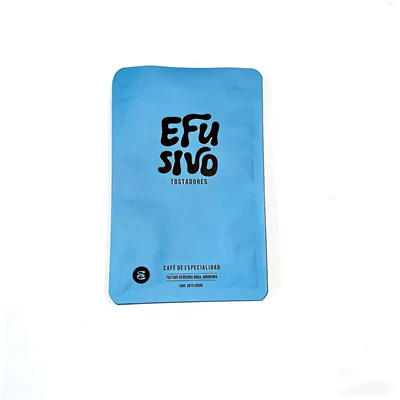
If you want to chat more about your packaging needs, feel free to reach out to us for a no-obligation consultation. We’re always here to help pet food brands make smarter, lighter packaging decisions that benefit their bottom line and their customers.
Flexible Packaging References:
- Packaging Association for Flexible Packaging. (2022). Lightweighting Strategies for Flexible Food Packaging: Material and Design Innovations.
- American Pet Products Association. (2023). Pet Owner Packaging Preference Survey: Insights on Sustainability and Functionality.
- Sustainable Packaging Coalition. (2021). Mono-Material Barrier Films: Performance and Recycling Feasibility for Pet Food Applications.
- Logistics Management Magazine. (2023). Packaging Lightweighting Impacts on Shipping Costs and Carbon Emissions for Consumer Goods.
- Food and Drug Administration. (2022). Barrier Performance Requirements for Food Contact Packaging to Ensure Product Freshness and Safety.
Shandong Lepu Digital Printing Co., Ltd.
Shandong Lepu Digital Printing Co., Ltd. is one of the most professional pet food packaging manufacturers and suppliers in China, specialized in providing high quality customized service. We warmly welcome you to buy high-grade pet food packaging made in China here from our factory.
Address: 500 meters north of the intersection of Huaihai 2nd Road and Xiwu Road, Junan County, Linyi City, Shandong Province
E-mail: sales01@lepupac.com
WebSite: https://www.lepupouch.com/
