If you’ve spent any time in the metallurgical industry, you know equipment reliability isn’t just a operational goal—it’s the backbone of a plant’s entire production cycle. Last month, I was on site with a steel mill in the Midwest, walking through their blast furnace area after a sudden summer thunderstorm. A 12-year-old conveyor motor had corroded beyond repair in just 48 hours, and the maintenance team was working around the clock to source a replacement. That’s when it hit me: so many plant operators overlook waterproofing for metallurgical equipment until disaster strikes, and as someone who’s supplied custom metallurgical gear for over 18 years, I’ve seen firsthand how the right proactive measures can save millions in downtime and replacement costs. Metallurgical Industry Equipment

Metallurgical environments are uniquely harsh—think molten metal splash, high humidity, constant washdowns, and even occasional flood risks from nearby water sources or pipeline leaks. Standard industrial waterproofing just doesn’t cut it here; the materials and coatings need to withstand not just water, but also the abrasive, chemical-laden dust that’s everywhere in steel mills, refineries, and smelters. Let’s break down the proven, industry-specific waterproof measures we implement for every piece of equipment we supply, based on decades of on-site testing and collaboration with plant maintenance teams.
First, enclosures: the most basic line of defense, but one that’s often improperly sized or specified for metallurgical conditions. Not all enclosures are created equal, especially when they’re housing motors, control panels, and gearboxes that run 24/7. For example, when we design enclosures for conveyor systems in a sinter plant, we use NEMA 4X-rated stainless steel enclosures—not just mild steel, not just NEMA 4. NEMA 4X means they’re watertight against heavy splashing and occasional temporary immersion, but the “X” rating is critical because it’s also corrosion-resistant, which is non-negotiable when your equipment is exposed to iron oxide dust and alkaline washdown solutions that eat through standard coated steel in months. We also add sealed cable glands and pressurized purge systems for control enclosures in high-humidity zones. A common mistake we see is plants cutting corners on purge systems; without them, humid air seeps in even if the enclosure is sealed, leading to condensation that shorts circuit boards. Last year, a copper smelter saved $200,000 in potential repairs retrofitting our purge system on their PLC rack, after we pointed out condensation buildup on their existing panels during a routine check.
Next, waterproof coatings for exposed metal surfaces and components. Metallurgical equipment has plenty of parts that can’t be enclosed—drive shafts, bolt heads, external motor housings, and valve stems that are exposed to the elements. We don’t use generic epoxy coatings here; we select coatings formulated specifically for heavy industrial, high-temperature environments. For equipment operating near blast furnaces, where temperatures can hit 500°F during operation and dip to near-freezing in winter, we apply a two-part polyurethane polysiloxane coating. This coating is bonded to the metal via a blast-cleaned surface profile (we always follow SSPC-SP6 standards for surface preparation—no shortcuts here) and it resists both water penetration and thermal cycling, which causes most coatings to crack and peel over time. For parts exposed to acidic water from leaching processes (common in aluminum smelting), we use specialized ceramic-based coatings that are impermeable to both water and corrosive ions, outlasting standard coatings by 3-4 years in real-world conditions. I remember a customer in Brazil who told us their old valve coatings needed to be recoated every 12 months; after switching to our ceramic coatings, they haven’t had to touch them in 5 years, cutting their maintenance budget for that area by 80%.
Sealing systems are another make-or-break element, and metallurgical environments test every seal to its limit. We use a combination of mechanical seals and gaskets, customized to each application, not just off-the-shelf parts. For gearboxes that are mounted near rolling mills, where they’re exposed to heavy vibration and periodic water jets, we use lip seals made from Viton, which is resistant to both water and the lubricating oils used in gearboxes, and can handle temperature swings from -20°F to 300°F. For control panel door gaskets, we use closed-cell neoprene gaskets with a compression limit of 25%—too little compression and there’s a gap for water to seep in, too much and the gasket wears out prematurely. We also perform IP67 and IP68 testing on all critical seals, simulating not just splashing but temporary full immersion (like if a cooling line leaks onto a motor during a shutdown) to make sure they hold up. A steel mill in Ohio once had a gearbox fail because their old rubber gasket degraded after exposure to alkaline washdown; we replaced it with Viton gaskets and adjusted the compression, and that gearbox is still running without issues 4 years later.
Then there’s drainage and venting—two often overlooked, but critical, waterproofing steps that prevent long-term water damage. Drainage ports are simple, but they need to be sized correctly and placed in low points of equipment enclosures and housings so any water that does get in can drain out quickly. We add screw plugs with gaskets to these ports so they can be opened easily during routine maintenance without removing the entire enclosure. For venting, we use hydrophobic, pressure-relief vents that let air escape during temperature changes, preventing condensation, but block water and dust from entering. Generic vents don’t work here—hydrophobic vents repel liquid water, so even if a hose is accidentally sprayed directly on a vent, no water gets through. We installed these vents on a set of continuous caster motor housings two years ago; before that, the plant had to replace motors every 18 months due to water-related damage, and now they’re at 30 months without a single failure.
A big part of waterproofing metallurgical equipment is also tailored solutions for specific process areas, because one size never fits all. For example, equipment in wastewater treatment zones attached to smelters is exposed to water that’s not just wet, but has heavy metal particles and corrosive chemicals. For these areas, we design fully sealed, air-conditioned control enclosures that have their own independent cooling systems, so there’s zero chance of humid, chemical-laden air getting in. For equipment located near open-pit mines that are prone to seasonal flooding, we add elevated mounting bases made from heavy-duty steel, 18 inches above the highest recorded flood level for that site, plus sealed power and communication cables run through rigid conduit that’s sealed at both ends. Last year, a mine in Arizona had a flash flood that covered their lower equipment; the units we supplied on elevated mounts with sealed conduits ran without interruption, while their older, unprotected units were submerged and needed full replacement.
We also include regular maintenance as part of the waterproofing package, not just the equipment itself. When we supply gear to a plant, we provide a detailed maintenance checklist for waterproof components: inspecting gaskets for cracks every 6 months, checking coating integrity via ultrasonic thickness testing annually, and testing seal compression during shutdowns. We even offer on-site training for maintenance teams, because many waterproofing failures aren’t due to bad parts, but bad maintenance—like over-tightening enclosure doors which cracks gaskets, or leaving drainage ports clogged with dust. A copper refinery in Chile reduced their water-related equipment failures by 75% after we ran a two-hour training session for their maintenance staff, going over exactly how to inspect and test the waterproof features on their new processing equipment.
Now, I know what some of you are thinking—add all this up, and it’s going to add cost, right? In the short term, yes, it’s a small investment compared to the cost of unplanned downtime. A single hour of downtime at a large steel mill can cost upwards of $100,000, and when you have to replace a $50,000 motor because of water damage, that’s way more than the extra money spent on proper waterproofing. We’ve had customers tell us that the ROI on our equipment’s waterproof features is less than 18 months, which is a no-brainer when you’re looking at long-term operational costs.
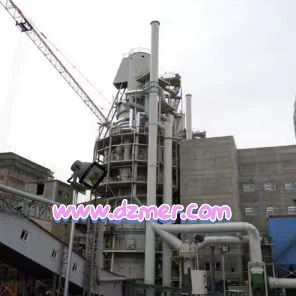
At the end of the day, metallurgical equipment waterproofing isn’t about making gear indestructible—it’s about making it resilient enough to handle the unique, harsh conditions you face every day. The last thing any plant operator wants is to be scrambling for replacement parts during a critical production run, or dealing with corrosion that eats away at your equipment before it’s paid for itself. If you’re looking to upgrade or source new metallurgical equipment that’s built to handle the water, heat, and chemicals of your operations, we’re here to help. We’ve worked with plants across the globe, from small smelters to large integrated steel mills, and we can customize waterproof solutions to fit your specific site and process needs. Reach out to us to discuss your equipment requirements, and let’s work together to cut downtime and keep your operations running smoothly.
Rotary lime kiln References
NACE International. (2020). Corrosion Control in Metallurgical Processes. Houston, TX: NACE International.
International Electrotechnical Commission. (2019). IEC 60529: Degrees of Protection Provided by Enclosures (IP Code). Geneva, Switzerland: IEC.
SSPC. (2018). Surface Preparation Standards for Steel Structures (SSPC-SP). Pittsburgh, PA: SSPC.
Handan Metallurgical Engineering & Research Co., Ltd.
Handan Metallurgical Engineering & Research Co., Ltd. is well-known as one of the leading metallurgical industry equipment manufacturers and suppliers in China. We warmly welcome you to buy high quality metallurgical industry equipment made in China here from our factory. Good service and competitive price are available.
Address: Cheng’an County, Handan City, Hebei Province, China
E-mail: hanhaizhao@dzmer.com
WebSite: https://www.dzmer.com/
