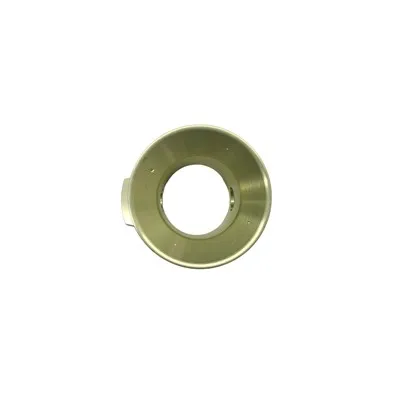
Mechanical processing components play a crucial role in various industries, from automotive to aerospace, manufacturing to energy. As a supplier of these components, I understand the significance of proper maintenance to ensure their optimal performance, longevity, and reliability. In this blog, I will delve into the key maintenance requirements for mechanical processing components, sharing insights based on my years of experience in the industry. Mechanical Processing Components
1. Regular Cleaning
One of the fundamental maintenance requirements for mechanical processing components is regular cleaning. Over time, components can accumulate dirt, dust, debris, and other contaminants, which can affect their functionality and performance. For example, in a machining environment, metal shavings and coolant residues can build up on the surface of components, leading to increased friction, wear, and corrosion.
To prevent these issues, it is essential to establish a cleaning schedule based on the operating conditions and usage of the components. Depending on the type of component, cleaning methods may include using compressed air to blow away loose debris, wiping with a clean cloth, or using a solvent to remove stubborn contaminants. It is important to use cleaning agents that are compatible with the material of the components to avoid damage.
2. Lubrication
Lubrication is another critical aspect of maintaining mechanical processing components. Proper lubrication reduces friction between moving parts, minimizes wear and tear, dissipates heat, and prevents corrosion. Different types of components require different types of lubricants, such as oils, greases, or dry lubricants.
For example, bearings and gears typically require high – quality lubricants to ensure smooth operation. The lubricant should be applied at the recommended intervals, and the quantity should be carefully controlled. Over – lubrication can lead to the accumulation of excess lubricant, which can attract dirt and debris, while under – lubrication can result in premature wear and failure of the components.
It is also important to monitor the condition of the lubricant regularly. Over time, lubricants can break down due to factors such as heat, oxidation, and contamination. When the lubricant shows signs of degradation, such as a change in color, consistency, or smell, it should be replaced promptly.
3. Inspection and Monitoring
Regular inspection and monitoring are essential to detect potential issues with mechanical processing components before they lead to major problems. Visual inspections can be used to check for signs of wear, damage, corrosion, or misalignment. For example, cracks, chips, or excessive wear on the surface of a component can indicate a problem that needs to be addressed.
In addition to visual inspections, non – destructive testing (NDT) methods can be used to detect internal flaws or defects in components. Techniques such as ultrasonic testing, magnetic particle testing, and eddy – current testing can identify hidden cracks, porosity, or other defects that may not be visible to the naked eye.
Monitoring the operating parameters of the components is also crucial. For example, temperature, vibration, and noise levels can provide valuable information about the condition of the components. An increase in temperature or vibration may indicate a problem with the lubrication, alignment, or wear of the components. By continuously monitoring these parameters, it is possible to detect and address issues early, reducing the risk of unexpected downtime and costly repairs.
4. Alignment and Adjustment
Proper alignment and adjustment of mechanical processing components are essential for their optimal performance. Misalignment can cause excessive stress on the components, leading to increased wear, vibration, and noise. For example, in a conveyor system, misaligned rollers can cause the belt to wear unevenly and may even lead to belt slippage or breakage.
Regularly checking and adjusting the alignment of components is important. This may involve using precision measuring tools such as dial indicators or laser alignment systems to ensure that the components are aligned within the specified tolerances. In addition to alignment, other adjustments such as tensioning belts, adjusting clearances, and calibrating sensors may also be required to maintain the proper functioning of the components.
5. Storage and Handling
Proper storage and handling of mechanical processing components are also important to prevent damage and ensure their longevity. Components should be stored in a clean, dry, and well – ventilated environment to prevent corrosion and contamination. They should be stored in a way that protects them from physical damage, such as stacking them properly and using appropriate storage containers.
During handling, care should be taken to avoid dropping, hitting, or scratching the components. Special handling equipment, such as lifting slings or vacuum grippers, may be required for large or delicate components. It is also important to follow the manufacturer’s instructions for handling and installation to ensure that the components are installed correctly and safely.
6. Training and Education
Finally, providing training and education to the maintenance personnel is crucial for ensuring that the maintenance requirements for mechanical processing components are met. Maintenance personnel should be trained on the proper cleaning, lubrication, inspection, alignment, and adjustment procedures for the specific components they are responsible for. They should also be educated on the importance of following safety procedures and using the appropriate tools and equipment.
In addition to on – the – job training, continuous education and professional development opportunities can help maintenance personnel stay up – to – date with the latest technologies and best practices in component maintenance. This can lead to more effective maintenance practices, reduced downtime, and improved overall performance of the mechanical processing components.
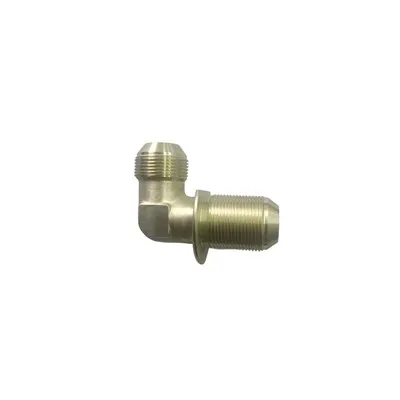
Piping Connectors As a supplier of mechanical processing components, I am committed to providing high – quality products and supporting our customers in maintaining these components. We offer a range of services, including technical support, training, and maintenance advice. If you are in the market for mechanical processing components or need assistance with their maintenance, I encourage you to get in touch with us to discuss your specific requirements. Our team of experts is ready to work with you to ensure that you get the best performance and longevity from your components.
References
- Budynas, R. G., & Nisbett, J. K. (2011). Shigley’s Mechanical Engineering Design. McGraw – Hill.
- Spotts, M. F., Shoup, T. E., & Bolz, R. E. (2004). Design of Machine Elements. Prentice Hall.
- Ericson, B. (2017). Handbook of Mechanical Engineering Calculations. McGraw – Hill.
Jiangxi Zhiyi Machinery Manufacturing Co., Ltd.
As one of the most professional mechanical processing components manufacturers and suppliers in China, we also support customized service. Please rest assured to wholesale bulk mechanical processing components in stock here from our factory. If you have any enquiry about quotation, please feel free to email us.
Address: Jiahai Industrial Park, No. 2799 Tianxiang Avenue, High-tech Zone, Nanchang City, Jiangxi Province.
E-mail: zgjxzy@163.com
WebSite: https://www.chinazhiyi.com/
