When I first started working as a steel shelter supplier over a decade ago, I often heard the same question from customers: “Are steel shelters durable enough for my needs?” It makes total sense—whether you’re a farmer looking to protect heavy equipment from prairie storms, a construction company needing temporary storage for materials, or a municipality preparing for disaster relief, you don’t want to invest in something that will fall apart after a few years. Back then, I’ll admit I didn’t have as much hands-on data to back up my answers. But today, after working with hundreds of clients and seeing steel shelters survive everything from tropical hurricanes to freezing mountain winters, I can speak to this topic with real-world confidence. Steel Shelters
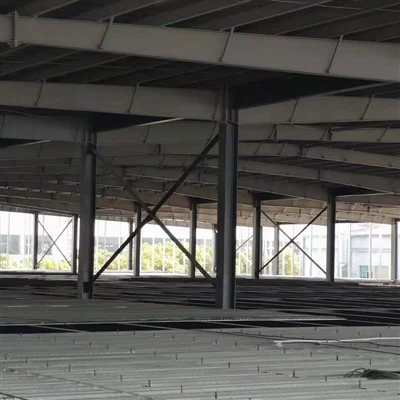
Let’s start with the basics of what makes steel a durable material. Steel is an alloy of iron and carbon, often with small amounts of other elements like manganese or chromium added to boost strength. Unlike wood, which rots, warps, or attracts pests over time, and fabric shelters, which tear in high winds or degrade from UV radiation, steel has inherent structural stability. But durability isn’t just about the material itself—it’s about how the shelter is engineered and installed. I’ve seen cheap, thin-gauge steel shelters that collapsed in a mild storm, and I’ve seen properly designed, thick-gauge units that outlasted a decade of extreme weather. That’s why as a supplier, we don’t just sell steel panels; we work with customers to match the gauge, framing, and anchoring to their specific climate and intended use.
One of the most common misconceptions about steel is that it’s prone to rust. And it’s true—unprotected steel will oxidize over time, especially in humid coastal areas or regions with high salt content in the air. But modern steel shelters use two main methods to prevent rust, and I’ve seen these hold up beautifully for years. The first is galvanization, a process where steel is coated with zinc. When exposed to the elements, the zinc acts as a sacrificial layer: it corrodes first, protecting the underlying steel. Most of our standard shelters use hot-dipped galvanized steel, which involves dipping the entire steel frame into molten zinc, creating a thick, uniform coating that’s far more durable than painted-on finishes. The second method is powder coating, which we offer as an upgrade for customers in areas with especially harsh conditions. Powder coating creates a hard, UV-resistant finish that not only prevents rust but also resists scratches and fading. I recently checked on a shelter we installed in Florida six years ago—coastal salt air, intense sun, and tropical rains—and it looked nearly new, no rust spots anywhere.
Structural durability is another key factor. Steel shelters can be engineered to meet specific wind and snow load requirements, which is critical for withstanding extreme weather. For example, in the Midwest, where blizzards dump feet of snow on roofs, we reinforce the roof framing with extra steel trusses and use thicker gauge panels to support heavy snow accumulation. In hurricane-prone areas like Texas or Louisiana, we design shelters with increased wind resistance, often up to 150 mph or higher, by using thicker steel and secure anchoring systems—like ground anchors or concrete footings—instead of the simple stake-downs used in cheaper models. A few years back, a client in Oklahoma called us after a EF-2 tornado ripped through his property; his steel shelter was still standing, though the adjacent wooden shed was destroyed. That’s the kind of real-world proof I rely on when talking to new customers.
I also want to address a concern some people have: steel is heavy, so is it easy to maintain? The short answer is that maintenance is minimal, especially compared to other shelter types. For galvanized steel, the main upkeep is occasional inspection for any scratches or dents that might expose the steel underneath. If you do find a small spot, a touch-up with zinc-rich paint can prevent rust from spreading. For powder-coated shelters, cleaning with mild soap and water once or twice a year is usually enough to keep the finish looking good. We include a simple maintenance guide with every shelter we sell, and our team is always available to answer questions—no one wants a customer stuck trying to fix a rust spot on their own.
Another angle on durability is versatility. A lot of people think steel shelters are just for storage, but we’ve sold them for everything from small workshops to temporary medical clinics during disaster responses. A customer in Alaska uses a steel shelter to house his snowplow and heavy construction equipment, and he told me last year that after 12 years, it’s still as strong as the day we installed it. The fact that steel shelters can be modified too—adding doors, windows, or insulation—means they can adapt to changing needs over time, which extends their lifespan even further. Unlike a prefab building that’s fixed in design, our steel shelters are modular, so customers can expand or adjust them as their needs grow. That’s a big part of their durability in the long run—they don’t become obsolete as quickly as single-use structures.
But I also want to be honest about the limits. No shelter is indestructible. If you install a thin-gauge steel shelter meant for mild climates in a region with 100 mph winds and heavy snow, it’s going to have problems. That’s why as a supplier, we take the time to ask questions: where are you located? What will you be storing? Are there any extreme weather events in your area? We’ve had customers come to us after buying a cheap steel shelter online that wasn’t suited for their climate, and we help them replace it with a properly engineered unit. Transparency is important to me— I don’t want a customer to end up with a shelter that doesn’t meet their needs, because that’s bad for them and bad for our reputation.
Over the years, I’ve learned that the durability of a steel shelter is a combination of three things: quality materials, proper engineering, and correct installation. Cutting corners on any of these will lead to issues. For example, a few years ago, a client in Georgia hired a local handyman to install a steel shelter we’d sold him, but the handyman used weak anchors and didn’t secure the frame properly. When a strong thunderstorm hit, the shelter shifted and the roof began to lift. We were able to send our team to fix it, and after reinforcing the anchors and adjusting the framing, it’s been fine ever since. That’s why we recommend professional installation, or at least clear step-by-step instructions that our customer can follow with confidence. We don’t just sell a product—we support it, and that means making sure it’s installed correctly.
I’ve also seen studies that back up what I’ve observed in the field. The American Society of Civil Engineers has done research on structural materials, and their findings confirm that galvanized steel has a service life of 50+ years in most moderate climates, and even longer with proper maintenance. Compare that to wood, which typically lasts 20-30 years, or fabric shelters, which often need to be replaced every 5-10 years. For a customer looking for a long-term investment, steel shelters offer real value over time. Sure, the initial cost might be higher than a fabric shelter, but when you don’t have to replace it every decade, the total cost of ownership is lower. That’s a point I always make to new customers—focus on durability, not just upfront price.
Another common question: can steel shelters withstand fire? Unlike wood, which is highly flammable, steel is non-combustible. That’s a huge benefit for customers storing flammable materials, like gasoline, propane, or construction chemicals. In areas with high wildfire risk, like California or Arizona, steel shelters are a smart choice because they won’t catch fire easily, and they can help protect the contents inside. I had a client in Southern California last year whose steel shelter survived a nearby wildfire, while his wooden storage shed was completely burned to the ground. He told me that shelter was the only thing he had left for his tools and equipment— that’s the kind of impact durable steel shelters can have.
Of course, no conversation about durability would be complete without talking about environmental factors beyond weather. Steel shelters are resistant to pests—no termites eating through the frame, no rodents nesting in the walls. For farmers, that means their seed, tools, and livestock feed stay safe from damage caused by pests. For businesses, that means valuable inventory isn’t ruined by insects or rodents. That’s another layer of durability that’s easy to overlook but makes a big difference over time.
So when someone asks me, “Are steel shelters durable?” my answer is a resounding yes— but with the caveat that it depends on choosing the right unit for your needs, working with a reputable supplier, and making sure it’s installed and maintained properly. As someone who’s been in this industry for over a decade, I’ve seen firsthand how a well-made steel shelter can be a reliable asset for years, even decades. It’s not just a temporary structure; it’s an investment that protects what matters most to you.
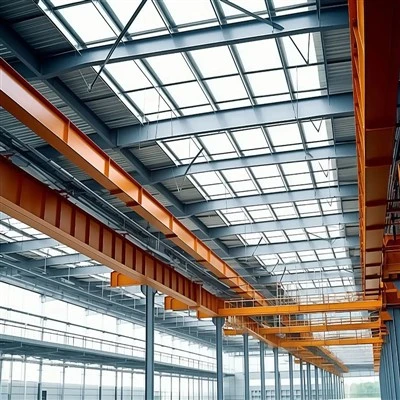
If you’re considering a steel shelter for your needs—whether it’s for equipment storage, workspace, or disaster relief setup—we’re here to help. We can walk you through the options, answer any questions you have about durability, wind loads, or maintenance, and work with you to find a solution that fits your budget and climate. Don’t hesitate to reach out to us to discuss your requirements and get more information on our steel shelters.
Steel Structure Bridge References
- American Society of Civil Engineers. (2021). 2021 Minimum Design Loads and Associated Criteria for Buildings and Other Structures. ASCE 7-21.
- Galvanizers Association. (2022). Service Life of Hot-Dip Galvanized Steel Structures. Technical Report.
- Federal Emergency Management Agency (FEMA). (2020). Design and Installation of Steel Shelters for Extreme Weather. FEMA 495.
- National Association of Home Builders. (2019). Comparative Durability of Residential Building Materials. Research Report.
Suzhou Wanyu Steel Structure Construction and Installation Engineering Co., Ltd.
With abundant experience, we are one of the most professional steel shelters manufacturers and suppliers in China. We warmly welcome you to buy customized steel shelters at competitive price from our factory. If you have any enquiry about pricelist, please feel free to email us.
Address: No. 78, Putian Road, Suzhou Industrial Park, Suzhou, Jiangsu Province
E-mail: Zhu@szwanyu.com
WebSite: https://www.wy-metalstructure.com/
