Hey everyone, Storage Tank
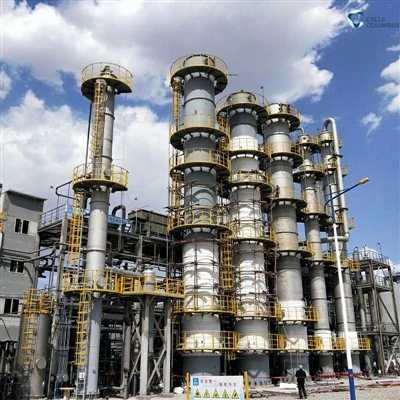
If you’ve ever worked in industries like energy, chemicals, agriculture, or even water treatment, you’ve definitely seen storage tanks – they’re the unsung heroes that keep operations running smoothly. As a storage tank supplier, I get asked all the time: “What kinds of tanks do I actually need for my project?” It’s a fair question, and there’s no one-size-fits-all answer. Let me break down the main types I deal with every day, how they’re used, and what makes each one unique – no jargon, just real talk from someone who’s spent years installing, repairing, and matching tanks to what clients actually need.
First up, atmospheric storage tanks. These are the most common ones you’ll see, right? They’re designed to hold stuff that’s at or near normal air pressure – no super high or low pressure required. Think of bulk fuel for a fleet, water for a manufacturing plant, or even food-grade products like juice or cooking oil. The two big sub-types here are carbon steel atmospheric tanks and stainless steel atmospheric tanks. Carbon steel is the workhorse – it’s cheap, durable, and can handle most non-corrosive fluids. But wait, it needs a little help: we line it with epoxy or paint to prevent rust, especially if it’s holding water or mild chemicals. Stainless steel, on the other hand, is for when corrosion is a risk – like if you’re storing acidic solutions or food products that can’t have contaminants leaching in. I recently sold a set of 10,000-gallon stainless steel atmospheric tanks to a local winery, and they told me it’s perfect for holding fermented grape juice without off-flavors. The best part about these? They’re easy to modify and repair if your needs change down the line.
Next, pressure storage tanks. These are for fluids that need to be kept at above or below atmospheric pressure to stay in liquid form. Ever wondered why propane is stored in those big silver cylinders you see at gas stations? That’s a pressure tank – it keeps propane pressurized so it stays liquid instead of turning into gas. There are two main types here: vertical and horizontal. Vertical pressure tanks are tall, usually found in industrial settings like chemical plants or refineries, and they’re great for saving floor space. Horizontal ones are shorter and wider, often used for commercial applications like bulk propane storage for residential neighborhoods. Another common use for pressure tanks is compressed air – manufacturing facilities rely on these to power tools and machinery. One thing to note: pressure tanks need regular inspections (we do these for clients) because the high pressure means they have to be super tight and structurally sound. No cutting corners here – that’s why we only use certified materials for these.
Then there’s underground storage tanks (USTs). These are buried, obviously, and they’re used for storing things like gasoline, diesel, or heating oil. USTs have come a long way from the old, rusty steel tanks that were standard 20 years ago. Now, most are either double-walled steel, fiberglass-reinforced plastic (FRP), or lined steel. Double-walled is a big upgrade because if the inner tank leaks, the outer one catches the fluid – that’s a huge safety and environmental win. We recently replaced a set of 50-year-old single-walled USTs for a convenience store that had a small leak; they didn’t even know it was happening until we did an inspection. FRP USTs are even better for corrosive environments, like areas with high groundwater or salt exposure (coastal towns, for example). The EPA has strict rules about USTs now, so if you have an old one, you’ve got to make sure it’s compliant – we help with that all the time.
Moving on to fiberglass storage tanks. FRP tanks are super versatile – light, corrosion-resistant, and easy to install. They’re used for everything from water storage to chemical processing, even wastewater treatment. Unlike steel, fiberglass doesn’t rust, so it’s perfect for harsh chemicals like acids, bases, or fertilizers. And because they’re lighter than steel, you don’t need as much heavy machinery to move them, which cuts down on installation costs. I’ve had clients use fiberglass tanks for holding agricultural chemicals – they tell me it’s way more reliable than steel, and they don’t have to worry about lining repairs every few years. The only downside? They can be more expensive upfront, but they last longer and need less maintenance, so it balances out over time.
There are also specialty storage tanks. These are for when you have a really specific need – nothing off the shelf will work. For example, cryogenic storage tanks are for fluids that have to be kept extremely cold, like liquid nitrogen, oxygen, or LNG (liquefied natural gas). These tanks are insulated to keep the temperature low – some use vacuum insulation, others use perlite or foam. Then there’s fire-resistant storage tanks, designed to hold flammable fluids like gasoline and withstand a fire for a set amount of time. These have special coatings or structural features that slow down heat transfer, so the fluid doesn’t ignite. And let’s not forget food-grade storage tanks – these have to meet strict regulations from the FDA, so they’re made with materials that won’t contaminate food or beverages. I worked with a craft brewery last year that needed a tank for storing beer; we had to make sure the stainless steel was food-grade 304, and all the welds were polished to avoid any rough spots where bacteria could grow.
Wait, I should also mention variable space (or floating roof) storage tanks. These are mostly used for large, atmospheric storage of volatile fluids like crude oil or gasoline. The “floating roof” sits on top of the fluid inside, so there’s no empty space between the fluid and the tank’s top. That means less evaporation – which is better for the environment and saves money because you don’t lose product. There are two types: internal floating roofs (IFRs) that are inside a fixed tank shell, and external floating roofs (EFRs) that are on the outside. EFRs are cheaper, but they’re exposed to the elements, so they need more maintenance. IFRs are better for volatile products because they’re more protected. I installed an IFR tank for an oil refinery a couple of years ago, and they told me it cut their evaporation loss by over 90% – that’s a huge deal for their bottom line.
Now, how do you know which tank is right for you? It’s not just about the type – you’ve got to think about what you’re storing, how much you need, where it’s going, and local regulations. For example, if you’re storing a corrosive chemical, steel is out – go with fiberglass or lined steel. If you’re storing gasoline underground, you need a compliant UST, not an above-ground tank. Cost is a factor too: fiberglass is pricier upfront but lower maintenance, while carbon steel is cheap but needs more upkeep. I always tell clients to look at the long-term, not just the initial price – a $10,000 tank that lasts 20 years is better than a $5,000 tank that leaks after 5 years and costs you a fortune in repairs and fines.
As a storage tank supplier, my job isn’t just to sell you a tank – it’s to help you pick the right one. I’ve worked with small businesses (like local farms or cafes) and big industrial clients, so I know how to match a tank to your needs without overcharging you. We do site visits, help with regulatory compliance, and even handle installation and maintenance. If you’re not sure what you need, just reach out – I’ll walk you through all the options, no sales pressure, just honest advice.
Whether you’re replacing an old tank for your business, setting up a new facility, or just need to store some fluid for a project, getting the right tank makes all the difference. Skip the guesswork, talk to someone who’s in the trenches every day.

If you’re ready to discuss your storage tank needs, get in touch with our team to start the conversation. We’re here to help you find the perfect solution for your budget and requirements.
Distillation Towers References:
- American Petroleum Institute. (2020). Standard for Storage of Petroleum Products. API Publication 650.
- National Fire Protection Association. (2021). Standard for the Storage and Handling of Flammable and Combustible Liquids. NFPA 30.
- U.S. Environmental Protection Agency. (2019). Underground Storage Tank Compliance Guide. EPA 510-B-19-001.
- Stainless Steel Industry Association. (2022). Food-Grade Stainless Steel Storage Tanks: Guidelines and Best Practices. SSIA Technical Bulletin 12-22.
Beijing Cycle Columbus Environmental Science & Technology Co., Ltd.
Beijing Cycle Columbus Environmental Science & Technology Co., Ltd. is one of the most professional storage tank manufacturers and suppliers in China. We are committed to providing high quality customized products with competitive price. Please feel free to buy advanced storage tank made in China here from our factory. Also, quotation is available.
Address: 1201, 12/F, Tower B, Bldg 8, Guancheng Garden, Haidian District, Beijing, China
E-mail: Info@saikekanglun.com
WebSite: https://www.cycle-columbus.com/
