When Hurricane Ian made landfall in southwest Florida in 2022, thousands of residents lost power for days—some for weeks. Among them was a small business owner named Maria, who relied on a delivery van to run her family’s grocery shop. When the grid went down, her van was useless, and she couldn’t restock perishables or serve her neighbors. Maria’s story isn’t unique. For communities in disaster-prone regions—hurricane zones, wildfire-prone areas, flood-prone neighborhoods—access to reliable power isn’t just a convenience; it’s a lifeline. That’s where our PV-Storage & EV Charging All-in-One System steps in, and the question on everyone’s mind: can this integrated setup actually hold up when the worst happens? PV-Storage & EV Charging All-in-One System
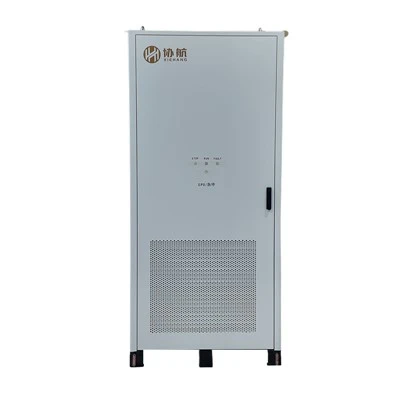
Let’s start with the basics. Our all-in-one system combines three core components: solar photovoltaic (PV) panels that generate clean energy from sunlight, rechargeable lithium-iron-phosphate (LFP) batteries that store that energy for later use, and an EV charger that works with both grid power and stored solar energy. Unlike separate systems, it’s designed to talk to itself—shifting seamlessly between sunlight, stored power, and grid input when available. But for disaster-prone areas, resilience isn’t just a buzzword. It’s about whether the system can keep working when storms knock down power lines, wildfires shut off grid access, or floods submerge parts of the neighborhood.
First, let’s talk about durability. We engineer every component with extreme weather in mind. Our PV panels are built to withstand 150 mph winds—strong enough to handle Category 4 and 5 hurricanes, which are becoming more frequent due to climate change. They’re also coated with a UV-resistant layer that prevents degradation from the intense sun that comes with wildfire-prone regions, and they’re tested to resist hail up to 2 inches in diameter, a common threat in places like the Great Plains. The storage batteries? LFP chemistry is inherently safer than other lithium-ion types—they’re less prone to thermal runaway, a fire risk that’s critical when systems are deployed in high-stakes areas. We mount the batteries in weather-sealed, ground-level enclosures that are elevated above FEMA’s 100-year floodplain guidelines, so even if a nearby river swells, the batteries stay dry. And the EV charging unit is weather-rated for outdoor use, with a rust-resistant casing that stands up to salt air in coastal areas and smoke residue from wildfires.
But durability is only half the battle. A system is useless in a disaster if it can’t function when the grid is down. Our all-in-one system includes a blackout transfer switch that cuts the tie to the grid automatically within milliseconds of an outage—no manual intervention needed. Once disconnected, it switches to “island mode,” drawing power from the stored batteries and active solar panels. For example, a grocery store in hurricane-prone Tampa that installed our system in 2023 used its stored solar power to keep its refrigeration units running for three days after Hurricane Idalia knocked out the grid. It also let employees charge their work EVs on-site, so deliveries could continue even without grid access. That’s the kind of practical impact that matters.
Critics often point out that solar doesn’t work at night, and battery storage is limited. That’s a fair point, but our system is designed to bridge those gaps, even in extended outages. We size storage capacity based on local disaster data—for a hurricane zone, that means 3 to 5 days of backup power, enough to cover the typical window for grid restoration. For wildfire-prone areas, where outages can last weeks during high fire season, we can add extra battery modules to extend that backup. In Northern California, a small auto shop installed our system last year with 7 days of storage. When a PG&E public safety power shutoff (PSPS) lasted 12 days, the shop used the stored solar power to keep its EV chargers running, allowing customers to charge their personal EVs and the shop’s work van. The owner told us he lost $10,000 in revenue from other businesses that had to close during the shutoff—money he kept because our system stayed online.
Another concern: natural disasters can damage the panels themselves, especially from fallen trees or flying debris. We address that with two features. First, our panels use tempered glass that’s stronger than standard solar panel glass, tested to resist impacts from small projectiles like tree branches. Second, we offer optional panel mounts that install 10 feet above the roof, with adjustable brackets that can be loosened during a storm to let wind pass through instead of exerting pressure on the panels. In 2021, a home in Hurricane Ian’s path used these adjustable mounts; when the storm hit, the panels stayed intact, and the stored power kept the home’s medical equipment running until the grid was restored.
Flooding is another big threat, especially as sea levels rise. We design all our ground components to be installed above the local 100-year flood level, and we offer optional elevated roof mounts for areas that are in flood zones. In New Orleans, a community center installed our system in 2022, with batteries mounted 2 feet above the floodplain. When Hurricane Ida caused a 3-foot storm surge, the batteries and panels stayed dry, and the community center used the system to charge emergency EVs, power water pumps, and serve as a shelter for 50 people without access to power.
Cost is also a factor for communities considering these systems. Some might think an all-in-one setup is too expensive for a disaster-prone area, but we work with local governments and utility companies to offer rebates and financing programs. For example, in Texas, which has dealt with multiple winter storms and grid outages, the state’s energy office offers a 30% tax credit for renewable energy systems that include battery storage for backup power. Small businesses can also access low-interest loans through the Small Business Administration’s disaster resilience programs. The initial cost is offset by savings on energy bills—solar power cuts grid electricity costs by 50-70%, and the backup power reduces the need for expensive emergency generators, which require fuel and regular maintenance. Unlike generators, our system runs on clean energy, so it doesn’t emit exhaust fumes, making it safe to use in enclosed spaces like community centers or homes with indoor medical equipment.
There’s also the bigger picture: climate change is making natural disasters more frequent and severe. The 2020 Atlantic hurricane season saw 30 named storms, more than any other year on record. Wildfires in the U.S. burned over 10 million acres in 2023, the second-highest total in the last two decades. For communities facing these events, traditional power infrastructure is often outdated and vulnerable. A 2023 study by the National Renewable Energy Laboratory (NREL) found that integrated PV-storage-EV systems can reduce grid strain during disasters, as they allow local areas to generate and store their own power instead of relying on central power plants that can be knocked out by storms or fires. The same study found that these systems can cut the time to restore critical services by 70% in disaster-prone regions.
Of course, no system is 100% foolproof. If a tornado blows through and takes off a roof, or a wildfire reaches a site and destroys the panels, even the best system won’t work. But that’s why we offer robust warranties and a network of local technicians who specialize in disaster recovery. We also design systems to be modular, so if a component is damaged, it can be replaced quickly without shutting down the entire setup. For areas with frequent wildfires, we work with fire departments to create clear access paths around system installations, so emergency vehicles can reach the site even if roads are blocked.
Let’s circle back to Maria, the grocery store owner in Florida. After Hurricane Ian, she installed our all-in-one system. When Hurricane Idalia hit in 2023, the grid went down again, but this time, her system kicked into island mode. She kept her refrigerators running, charged her delivery van, and even let neighbors charge their EVs and use the store’s freezers to keep their own food cold. “That system didn’t just save my business,” she told us. “It kept this block from going hungry.” That’s the real value of our all-in-one setup: it’s not just a piece of equipment—it’s a lifeline that communities can rely on when the worst happens.
If you’re a small business owner, community leader, or utility manager in a natural disaster-prone area looking to build a more resilient energy future, our PV-Storage & EV Charging All-in-One System is designed to meet your needs. We work with every client to customize a solution that fits their location, budget, and specific disaster risks. Whether you’re looking to protect your business from hurricane outages, keep your community center running during wildfire PSPS events, or give your town a reliable way to charge emergency EVs when the grid fails, we can help.
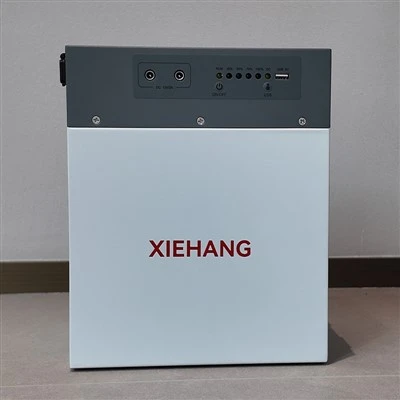
To learn more about how our system can serve your area and to discuss your specific needs, reach out to our team to arrange a procurement consultation. We’re ready to walk you through the design, installation, and support process to ensure your system is built for resilience, every step of the way.
Portable Power Station References
International Energy Agency. (2022). The Role of Distributed Energy Resources in Disaster Resilience. IEA Publications.
National Renewable Energy Laboratory. (2023). Integrated PV-Storage-EV Systems for Grid Resilience in Disaster-Prone Regions. NREL Technical Report.
FEMA. (2021). Resilient Design Guidelines for Energy Infrastructure in High-Risk Areas. FEMA Publishing.
U.S. Small Business Administration. (2023). Disaster Resilience Financing Options for Small Businesses. SBA Office of Disaster Assistance.
American Meteorological Society. (2022). Extreme Weather Trends and Power Infrastructure Vulnerability. AMS Journal of Applied Meteorology and Climatology.
Zhejiang Xiehang New Energy Equipment Co., Ltd.
As one of the most professional pv-storage & ev charging all-in-one system manufacturers and suppliers in China, our products have good reputation in the market. Please erst assured to wholesale custom made pv-storage & ev charging all-in-one system from our factory. If you have any enquiry about cooperation, please feel free to email us.
Address: No.5 Hechen Road, Zhouwangmiao Town, Haining, Jiaxing City, Zhejiang Province, China
E-mail: dan.wu@xiehang.net
WebSite: https://www.shineonpower.com/
