Hey there, fellow parents, caregivers, and small business owners! Let’s cut to the chase: if you’ve got a waterbed for your little one and you’re on the hunt for a baby underpad, you’re probably not just Googling “any underpad works.” Let’s be real—waterbeds are totally different from regular innerspring or foam mattresses, so grabbing whatever underpad you used for your toddler’s crib isn’t gonna cut it. I’m a baby underpad supplier, and I’ve talked to so many people who’ve made that mistake—so today, I’m spilling the tea on how to pick the right one that actually works for your waterbed, no mess, no stress. Baby Underpad
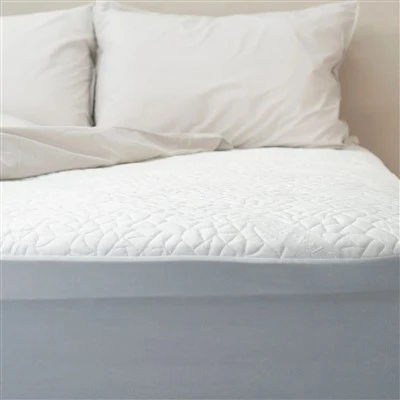
First off, let’s level set: why waterbeds are a whole new ballgame for underlays. Regular mattresses are firm, right? They have that solid base that keeps things flat. Waterbeds? They’re filled with fluid, so they “give” way more. That means an underpad that’s too thin or flimsy won’t lay right—it’ll bunch up, slip around, or even leak through if your little one has a middle-of-the-night accident. I’ve seen customers come back to me saying they tried a cheap generic underpad and it was sliding off the waterbed every time their kid rolled. Not cool, especially if you’re sleeping on that same bed (or just trying to keep the actual waterbed surface clean).
Now, let’s break down the must-check factors. This is the part that’s not just “good to know”—it’s make-or-break for your setup.
-
Fit is NON-NEGOTIABLE, and I mean it. Waterbed sizes aren’t the same as standard mattress sizes, y’all. A queen waterbed isn’t the same as a standard queen innerspring—some are “soft side” (they have a frame like regular beds) and some are “hard side” (all fluid, no frame). Before you even start looking at underpads, measure your waterbed. Grab a tape, measure the top surface length, width, and even the depth if it’s a soft side. Cheap underpads are usually made for standard sizes, so if you skip measuring, you’ll end up with something too small (it’ll hang off the edges) or too big (it’ll bunch up under the covers). I recommend double-checking: if your waterbed is a soft side queen, look for a soft side queen underpad, not just a “queen” underpad. I used to stock people who tried to force a standard queen on a soft side waterbed, and it never stayed put. That’s the first mistake—don’t be that person.
-
Absorbency that matches your needs, but not overkill. Okay, so baby underpads are for accidents, right? But not all absorbency is created equal. Waterbeds can get damp underneath if the underpad is too thick, wait—no, let’s think: if you use an underpad that’s super absorbent but doesn’t wick moisture away, the water can get trapped against the waterbed liner, which isn’t good for the bed’s durability. You need something that’s absorbent enough for middle-of-the-night pee, spit-up, or minor blowouts, but also has a wicking layer. I’ve tested a lot of underpads: the ones with a top layer of microfiber or cotton blend are great because they feel soft on baby’s skin, then a middle absorbent layer, and a waterproof bottom—but not so thick that it’s like a towel. If it’s too thick, it’ll add weird pressure points on the waterbed, which makes sleeping uncomfortable for you too. Also, avoid underpads that only have a plastic bottom—those can make baby sweaty, which leads to rashes. Look for “breathable waterproof” or “micro-pore” layers. Trust me, I’ve had a customer say their kid got a rash from a plastic-lined underpad, so we switched them to a breathable one, and it fixed it right up.
-
Non-slip base is key—no more sliding pads. This is where regular mattress underpads fall short. For a regular bed, a little elastic around the edges keeps it in place, but waterbeds are smooth and fluid, so elastic alone won’t work. The best underpads for waterbeds have a non-slip bottom—usually a textured rubber or silicone layer. Some have corner straps too, which is a bonus. I’ve had customers tell me they tried an underpad with just elastic, and by morning, it was halfway off the bed. Not only does that make the mess harder to clean, but if baby rolls into it, it could shift and cause them to slip. The non-slip base is non-negotiable for waterbeds.
-
Durability that stands up to washing and use. Baby underpads get washed a lot, right? You can’t use them once—spit-up, accidents, dirty hands, so they need to hold up. Cheap underpads will pill after 2-3 washes, or the waterproof layer will start to peel. As a supplier, I test all our underpads for washability: we machine wash them on cold, tumble dry on low, and see how they hold up. If you’re buying, look for ones that are labeled “machine washable up to 50 times without losing absorbency.” Also, check if they’re stain-resistant—spit-up and formula stains can be a nightmare, so a top layer that resists staining makes your life way easier.
-
Safety first—no weird chemicals. This is a big one. You’re putting this on a bed where your baby is sleeping, so you don’t want any toxic stuff. Look for underpads that are OEKO-TEX certified, or labeled “free of phthalates, lead, and BPA.” A lot of cheap imported underpads have those chemicals, which can be bad for baby’s sensitive skin. I only stock underpads that pass safety tests because I don’t want my own niece (who’s 18 months old and loves rolling around) sleeping on something that’s not safe.
Wait, let’s also talk about common myths I hear all the time. Myth #1: “Any waterproof pad works for a waterbed.” No! Like I said, waterbeds are fluid-filled—even if a pad is waterproof, if it doesn’t have a non-slip base, it’s gonna slide. Myth #2: “Thicker is more absorbent.” Nope—too thick means trapped moisture, which can damage the waterbed liner over time. Also, it’s uncomfortable for both baby and you. Myth #3: “You don’t need a specific size—just trim it to fit.” Wait, can you do that? Yeah, but I don’t recommend it. Trimming a pad can fray the edges, which means it won’t lay flat anymore, and if the waterproof layer is at the edge, it might leak. Plus, trimming a pad wastes material, which is why most good suppliers don’t sell underpad material—they sell pre-sized ones made for waterbeds.
Now, a quick pro tip from someone who’s been in this game: if you have a hard side waterbed, make sure the underpad is wide enough to cover the frame area too. Soft side waterbeds are closer to regular mattresses, but still, measure twice. I always tell customers: measure your waterbed, then add 2 inches to each side if there’s a frame, just to be safe. No one wants a pad that’s too small.
Also, what if you’re using the waterbed for co-sleeping? A lot of parents do that, so you need an underpad that’s not just for baby, but works for adult use too. Look for something that’s big enough to cover the area where you and baby sleep, and has a non-slip base so no one rolls off. I have a lot of co-sleeping parents as customers, and they swear by the ones we sell because they don’t slip, even when there’s two people and a baby.
Let’s wrap this up with a quick recap to make it easy: when choosing a baby underpad for your waterbed, 1) Measure your waterbed (soft side/hard side, exact dimensions), 2) Look for a non-slip base (textured or corner straps), 3) Pick breathable absorbency (not too thick, wicking layer), 4) Check durability and washability, 5) Make sure it’s chemical-free.

If you’re still confused, or you’ve tried a bunch of pads that didn’t work, hit me up. I’m here to help you pick the right one, no sales pitch—just honest advice, since I’ve dealt with so many people who’ve messed this up. We can chat about your waterbed size, what you need it for (diaper changes, co-sleeping, daily messes), and find the perfect underpad that fits. No stress, no awkward calls—just a convo to make your life easier.
Laminated Fabric References:
- American Academy of Pediatrics. (2022). Safe Sleep Guidelines for Infants.
- Juvenile Products Manufacturers Association. (2021). Baby Underpad Safety Standards.
- Waterbed Association of America. (2020). Mattress Protector Compatibility for Fluid-Filled Beds.
- OEKO-TEX Institute. (2022). Chemical-Free Textiles for Baby Products.
- Journal of Pediatric Health Care. (2019). Skin Safety in Baby Bedding Products.
Jiangsu Etang Household Products Co., Ltd.
We are one of the most professional baby underpad manufacturers and suppliers in China. With abundant experience, we warmly welcome you to buy bulk premium baby underpad made in China here from our factory. All customized products are with high quality and competitive price. Contact us for pricelist.
Address: No. 18 Nanhai Road, Siyang Economic Development Zone, Siyang County, Suqian City, Jiangsu Province
E-mail: etang216@js-et.com
WebSite: https://www.etangbedding.com/
