Alright, let’s cut to the chase—if you’ve ever built a car (even a tiny model in your garage) or just stared under the hood of a new vehicle, you’ve probably never thought about how drilling steel plays a huge role in making that thing run. I’m not some automotive engineer with a PhD (though I’ve worked with enough of them to know what they actually need), I’m a drilling steel supplier, and let me tell you—this stuff isn’t just random metal. It’s the unsung hero holding cars together, and I’m here to break it down like we’re grabbing a beer after a long week. Drilling Steel
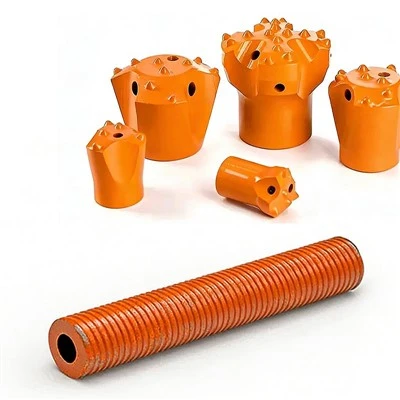
First off, let’s get one thing straight: not all steel is made equal for cars. Regular old steel you buy at the hardware store? That’s fine for a shed, but automotive drilling steel? It’s engineered to drill through other tough materials (think cast iron, aluminum, even other steel alloys) without snapping, while also standing up to 10 years of potholes, salt on roads, and random debris kicking up. I’ve seen way too many garages use cheap drill bits because they “save a buck” and then blow out a brake line or snap a bit mid-job—total nightmare, and that’s where my team comes in.
Let’s start with the parts that literally keep you from crashing: brake systems. Yeah, I know brake pads and rotors get all the hype, but what about the small, critical fasteners holding the calipers, lines, and mounting brackets together? Those aren’t your average bolts. They require precision drilling to get the right thread pitch, and they need to go through the hard cast iron of the brake caliper housing without leaving burrs or cracks. Last month, a small brake manufacturer hit me up because their previous steel bits were leaving 10% defective parts—costing them thousands in rework. We sent over our high-tensile drilling steel bits, and they cut defects to under 1% in two weeks. Why? Our steel is tempered just right—hard enough to drill through dense metal, but flexible enough to handle the pressure of repeated drilling without chipping. It’s not rocket science, but it’s science that makes or breaks a brake job.
Next up: engine components. Engines are basically a bunch of moving metal bits rubbing together at thousands of RPM, so every part has to be perfect. When you’re drilling into engine blocks (which are usually aluminum now, but some trucks still use cast iron) to mount sensors, oil galleries, or fuel injectors, you need drilling steel that can maintain sharpness even when the metal is slippery from coolant or lubricants. A lot of suppliers use generic steel bits here, and they get dull fast—meaning longer production times and uneven holes that can lead to oil leaks. I had a client who makes diesel truck engines tell me their downtime from dull drill bits was costing them $50k a week. We switched them to our micro-grain drilling steel, which stays sharp 3x longer than standard bits, and their production line got back up to full speed without those costly delays. Plus, our steel has a coating that reduces friction—so less heat, which means less wear on the bits and better hole quality. That’s the stuff no one talks about until they see their numbers drop.
Don’t sleep on chassis and undercarriage parts either. The frame, the suspension arms, the exhaust system—all of these require drilling for fasteners, mounting points, and repairs. When you’re drilling through thick steel plate for a chassis crossmember, you need drilling steel that can handle deep cuts without wandering off course. I’ve had a guy come to me with a custom truck build—he was trying to drill 2-inch deep holes in a steel frame, and his bits were walking all over the place, making his mounting brackets useless. Our specialized drilling steel has a uniform grain structure that prevents “bit creep,” so he got perfectly straight, on-depth holes every time. And because our steel is corrosion-resistant (we add a tiny amount of chromium during the manufacturing process), those holes won’t rust out in a year from road salt like the ones he drilled with cheap bits. That’s not just a win for his build—it’s a win for the driver, who won’t be dealing with a wobbly suspension in winter.
Now, let’s talk about the hidden stuff: repair and maintenance. Most people think automotive drilling steel is only for manufacturing new cars, but no—independent garages and body shops rely on it more than anyone. When a car gets in a fender bender, mechanics have to drill out old spot welds to remove the damaged panel, and they need bits that can cut through multiple layers of steel (sometimes 3 or 4) without burning through or snapping. I recently spoke to a mechanic in Detroit who said he goes through 5-6 cheap drill bits a day during busy fender season. We gave him a pack of our heavy-duty drilling steel bits, and he’s gone through 2 in two weeks. He texted me last week saying his shop’s costs for drill bits are down 70%, and he hasn’t had to wait for a new bit mid-job in months. That’s the real impact—small businesses saving money, not big corporations cutting corners.
Wait, but what about electric vehicles (EVs)? Everyone’s talking about them now, and let’s be honest, EVs have different parts—battery packs, electric motor mounts, lightweight aluminum frames—so does drilling steel change? Heck yeah, but it still matters more than ever. EV frames are usually made of high-strength aluminum alloys, which are softer than cast iron but gum up drill bits really bad. Our drilling steel has a polished surface that prevents that aluminum gunk from sticking, so mechanics and manufacturers can drill clean holes without stopping to clear swarf (that’s the metal shavings, for the non-mechanics out there). Plus, battery packs need super precise mounting holes—no mistakes here, because a wrong hole can damage a battery cell and be a fire risk. Our drilling steel’s consistent hardness means every hole is within 0.001 inches of spec, which is exactly what EV makers need to keep production on track. I worked with a startup EV company last year, and they told me their biggest hurdle was drilling battery mount holes until they switched to our steel. Now they’re ramping up production way faster than they planned.
I know what you’re thinking—“This sounds like a sales pitch, not a blog.” Fair, but here’s the thing: I’ve been in this business for 12 years, and I don’t sell garbage. I’ve seen the damage that cheap drilling steel does—defective parts, lost time, angry customers, even safety issues. That’s why our drilling steel is tested every single batch, no cutting corners. We work with small garages and big OEMs alike, because good steel doesn’t care how big your order is—it just needs to do the job right.
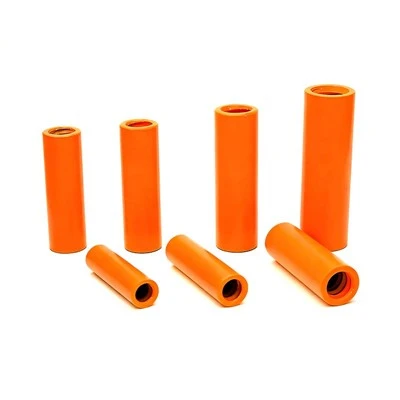
At the end of the day, cars are all about reliability. You don’t want your brake caliper falling off because a drill bit snapped during manufacturing, and you don’t want to be stuck on the side of the road because your mechanic ran out of cheap bits mid-repair. Drilling steel is the backbone of all those small, necessary jobs that make a car work safely and last. If you’re an automotive manufacturer, a shop owner, or a gearhead building your dream car and you’re sick of drill bits that let you down, hit me up. We can talk through what you need, send you a sample, and make sure you don’t have to deal with that headache anymore.
DTH Drill Pipe References:
- Automotive Steel Industry Report, 2023, World Steel Association
- Drilling Steel Performance Standards, National Tooling and Machining Association
- Electric Vehicle Lightweighting: Material Selection and Manufacturing Processes, 2022, SAE International
- Automotive Maintenance Efficiency: Impact of Cutting Tool Durability, 2021, Automotive Service Association
Super Rock Machinery Equipment (Qingdao) Co., Ltd.
We are one of the most professional drilling steel manufacturers and suppliers in China, featured by quality products and good price. Please feel free to buy advanced drilling steel for sale here from our factory. Welcome to view our website for more information.
Address: No. 45, Pengwan Road, Qianwan Bonded Port Area, Qingdao Sub-district, Free Trade Pilot Zone, Shandong China
E-mail: sales@superrocktools.com
WebSite: https://www.superrocktools.com/
