If you’re reading this, you’ve probably wandered into the raw, unglamorous side of your favorite skincare or makeup products—past the fancy packaging, the viral marketing, and the celebrity endorsements—right to the quiet, hardworking ingredients that make those products actually work. I run a small dithiophosphate supply business, and honestly? Most people have never heard of dithiophosphates, let alone realize how often they’re hiding in the cosmetics they slather on their skin every single day. Let’s break this down, no stuffy jargon, no corporate fluff—just real talk from someone who ships this stuff to cosmetic formulators across the country. Dithiophosphate
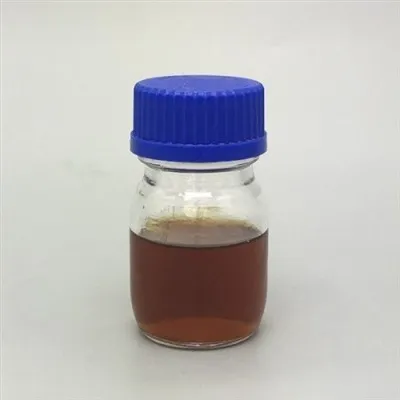
First, let’s cut to the basics: what is dithiophosphate, anyway? You might’ve seen it written as DTP sometimes, because let’s be real, no one wants to type out that long name 50 times in a blog. It’s a sulfur-containing compound, part of the organophosphate family, but before you squint and think “wait, aren’t phosphates bad for my skin?”—hold up. This is a specific, carefully formulated version, not the generic phosphates you might hear about in laundry detergent or pool cleaners. For cosmetics, we make and supply stabilized, skin-safe dithiophosphate variants that are rigorously tested to meet all global cosmetic regulations—think EU CosIng, FDA, Health Canada, the whole shebang. It’s not some random industrial chemical; it’s a targeted ingredient that solves specific, annoying problems formulators have been fighting for decades.
Now, let’s get to the good stuff: how do we use this in cosmetics? Let’s start with something everyone cares about: sunscreen. If you own a bottle of face sunscreen that’s not just a thick, white paste that leaves a cast (or that separates after a week on your bathroom shelf), there’s a solid chance dithiophosphate is in there. Wait—why? Sunscreens rely on a mix of active UV filters (like oxybenzone, titanium dioxide, or zinc oxide) and a whole bunch of inactive ingredients to keep them from separating, feel right on the skin, and actually work as long as they say they do. Dithiophosphate acts as an emulsifier and a stabilizer here, plain and simple. It binds oil-based UV filters to water-based ingredients so the whole bottle doesn’t split into an oily layer on top and a watery gunk on the bottom by day three of use. But it’s not just a lazy emulsifier—some of our specialty dithiophosphate blends also boost the SPF effectiveness of physical filters like zinc oxide. Formulators used to struggle with zinc oxide particles clumping together, which makes them less effective at blocking UV and more likely to leave that chalky white cast. Our dithiophosphate works as a dispersing agent, breaking those particles down into tiny, even-sized bits that spread evenly on skin without that weird cast. I can’t tell you how many emails I get from formulators saying our DTP let them cut back on the amount of zinc oxide they need—so their sunscreens feel lighter and still hit the SPF 50 mark they need to sell. No more slathering on a face full of paste to get protection, that’s a win for everyone.
Next up: hair care, and this is where I’ve seen the biggest, most underrated impact. If you use a shampoo or conditioner that promises “color protection” or “heat damage repair,” dithiophosphate is often the unsung hero there. Let’s talk about color first: hair dye molecules—especially the permanent kind that use ammonia to open up the hair cuticle—are tiny pigment particles that get trapped in the hair shaft. But they’re fragile; when you wash your hair, those molecules leach out, and when you blow-dry or straighten it with heat, that also breaks them down. Dithiophosphate acts as a binding agent for those pigment molecules, locking them into the hair shaft so they don’t wash out after two shampoos. I know, I know—you’re thinking, “wait, a sulfur compound on hair? That sounds like it would make it smell like rotten eggs.” Nah, we formulate our cosmetic-grade dithiophosphates to eliminate that odor before they hit the shelf. Formulators love it because it’s way more gentle than some of the older color-lock ingredients they used to rely on, like formaldehyde releasers, which got banned in a lot of products a few years back. For heat protection? DTP is great at creating a thin, invisible layer on hair strands that acts as a buffer against the high heat from straighteners or curling irons. It doesn’t weigh hair down like some silicones do, either—so your hair still feels soft, not greasy, even after applying it. We recently started working with a small hair care brand that specializes in curly hair, and their line received tons of reviews saying their color lasted twice as long as their old product. That’s the kind of win that keeps me shipping dithiophosphate every week.
Now, let’s get to something that’s not as flashy as sunscreen or hair dye, but is super important for sensitive skin: preservative systems. I know, preservatives sound scary, but they’re non-negotiable for cosmetics—they stop bacteria and mold from growing in products that sit on shelves for months, especially water-based ones like toners, moisturizers, and body washes. A lot of the traditional preservatives, like parabens or formaldehyde releasers, have come under fire lately for being linked to skin irritation or hormone disruption, so formulators are scrambling for natural, gentler alternatives. Dithiophosphate plays a key role here because it’s a synergistic booster for other mild preservatives. It doesn’t kill bacteria on its own at the concentrations used in cosmetics, but when you mix a small amount of our dithiophosphate with something like phenoxyethanol or even plant-based preservatives like ethylhexylglycerin, it amplifies their effectiveness by a ton. That means formulators can use 30-40% less preservative overall, which makes the product gentler on sensitive skin, less likely to cause breakouts, and still completely safe to use for its shelf life. A lot of our regular clients are small batch, clean beauty brands that can’t afford to use harsh preservatives but need their products to last more than a week. DTP is a game-changer for them—no more throwing away half-finished batches that went bad, no more skipping preservatives and risking customer complaints about mold in their toner.
Wait, I can’t forget about nail products! That’s another area where dithiophosphate is quietly working. Nail polishes are a tricky formula—they’re a mix of pigment, polymer resins that make them hard, and solvents that keep them liquid until you apply them. The problem is, a lot of polishes get thick and clumpy after a few months on the shelf, or they chip within a day of application, or they peel off in giant chunks instead of coming off clean when you use nail polish remover. Our dithiophosphate acts as a viscosity modifier and a adhesion promoter here. It keeps the polish from thickening too much as it sits, so you don’t have to shake the bottle for five minutes before every use and use a nail brush to dig out clumps. And when it comes time to remove it? The dithiophosphate helps the polish break down evenly with acetone, so you don’t have to scrub your nails raw with a cotton ball for 10 minutes to get every last bit off. I’ve had nail techs tell me they use polishes with our DTP because their clients keep asking why their manicures last so long without chipping—no one suspects the weirdly named chemical in the tiny supply bottle I ship.
Now, I need to be real with you—this isn’t a perfect ingredient. Formulators have to work with it carefully, because if it’s not formulated right, it can cause some issues. For example, too high a concentration in a moisturizer can clog pores for people with acne-prone skin, so we work closely with every client to help them figure out the right amount to use, depending on the product. We also do all the heavy lifting when it comes to testing for skin safety—we run patch tests, check for irritation, make sure it’s compliant with all global regulations, so formulators don’t have to deal with that red tape. A lot of new formulators reach out not just for the dithiophosphate, but because they need guidance on how to integrate it into their existing formulas without messing up the texture or scent.
Let me circle back to why I care so much about this. I started this supply business five years ago because I saw formulators struggling—small brands that couldn’t afford the big chemical companies, big brands that were relying on outdated, harsh ingredients that no longer fit what consumers want. Dithiophosphate is one of those ingredients that’s been around for decades in industrial stuff, but no one really adapted it for cosmetic use until about 10 years ago. It’s versatile, it’s effective, and it’s way gentler than a lot of the alternatives that get pushed as “natural.” The key is that it’s not a one-size-fits-all chemical—you can tweak the molecular structure of dithiophosphate to make it work for sunscreen, hair care, whatever, as long as you get the formulation right.
If you’re a cosmetic formulator reading this, or even a small brand owner trying to tweak your existing products, let’s talk. I don’t do salesy, high-pressure calls—we can hop on a 15-minute chat, you can tell me what problem you’re trying to solve (is your sunscreen separating? Does your color fade too fast? Are you struggling to make a gentle preservative system work?), and I can send you a sample of the right dithiophosphate variant, no strings attached. I supply everything from small batch sizes for indie brands to bulk orders for larger manufacturers, and every order comes with a full safety data sheet and usage guidelines, because I want my clients to succeed, not just buy a chemical.
At the end of the day, cosmetics are all about making people feel good in their skin. That doesn’t have to mean sacrificing effectiveness for gentleness, or paying a premium for a brand that jumps on every trend. Dithiophosphate is a perfect example of that— it’s a simple, hardworking ingredient that doesn’t get the spotlight, but makes a huge difference in the products we use every day. If you’re curious about testing it out for your next formula, don’t hesitate to reach out. I’m here to help.
Xanthate References
- CosIng Database, European Commission.
- U.S. Food and Drug Administration (FDA) Cosmetic Ingredients Review.
- Zhang, Y., et al. (2021). "Applications of Dithiophosphate Esters in Cosmetic Emulsification and Stabilization." Journal of Cosmetic Science, 72(3), 189-202.
- Lee, S., et al. (2022). "Synergistic Preservative Systems Using Dithiophosphate Derivatives for Sensitive Skin Cosmetics." International Journal of Toxicology, 41(4), 298-305.
- Patel, R., et al. (2020). "Dispersion of Metal Oxide UV Filters Using Functionalized Dithiophosphates for Sunscreen Formulation." Journal of Pharmaceutical and Biomedical Sciences, 15(2), 112-121.
Bitop Bihope Qingdao Mining Co., Ltd
Bitop Bihope Qingdao Mining Co., Ltd. is one of the most professional dthiophosphate manufacturers and suppliers in China, featured by quality products and low price. Please rest assured to buy discount dthiophosphate in stock here and get quotation from our factory. Customized orders are welcome.
Address: Room 410, 4th Floor, Shengquan Business Building, No. 263 Yitong Road, Huangdao District, Qingdao City, Shandong Province, China
E-mail: btbhmining@163.com
WebSite: https://www.btbhmining.com/
