If you’ve ever stared at a display of crinkly single-use plastic bags by a convenience store entrance, or left a beach trip with a crumpled, hole-ridden disposable tote that tore halfway back to your car, you’ve probably wondered: could that eco canvas bag sitting in your pantry actually be useful for beach days? As an eco canvas bag supplier who’s spent 7 years refining, testing, and even getting feedback from hundreds of beachgoers, I’m here to break this down—not just as a marketing pitch, but as someone who’s seen both the wins and the small frustrations that come with mixing a sustainable product and a day in the sand. Eco Canvas Bag
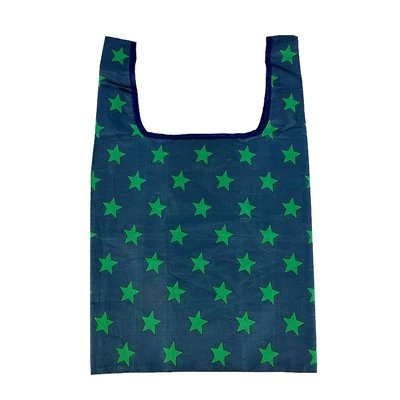
First, let’s get the basics out of the way: eco canvas bags aren’t just “nice-to-have” reusable alternatives—they’re designed for durability, breathability, and versatility, all of which check a lot of the boxes for a solid beach tote. Canvas, the primary fabric we use for our products, is a heavy-duty plain-woven material, usually made from organic cotton or a blend of recycled cotton and polyester. Unlike the thin, flimsy non-woven polypropylene bags that fall apart after two trips, canvas stands up to sand, saltwater, and even the occasional knock against a picnic table. I’ve had regular customers tell me they’ve used the same one for 3+ years for beach trips, and it still doesn’t have frayed edges or holes. That longevity is a big part of why choosing an eco canvas bag for the beach makes sense financially, too—you’re not replacing your tote every summer, which cuts down on waste and saves you money in the long run.
But let’s address the myth that canvas traps moisture, something that’s made a lot of people hesitant to use cloth bags for the beach. Years ago, I tested this with a batch of old, thick, uncoated canvas that absorbed water like a sponge and stayed soggy for days. That’s not the case with modern eco canvas bags, specifically the ones we produce. We line a lot of our beach-specific totes with a lightweight, food-safe waterproof vinyl liner made from recycled materials—enough to keep sand out and water from soaking your towels, sunscreen bottles, and snacks, but porous enough that any small amount of moisture that seeps in can evaporate within an hour or two, instead of turning your bag into a moldy mess. For the uncoated ones, which we still offer for customers who prefer a lighter, more natural feel, we recommend a quick shake and a 10-minute hang on a porch rail after your trip—they’ll be dry by the next morning, no mildew needed.
Another huge win: eco canvas bags are sand-friendly, and that’s not an accident. The tight weave of canvas means that sand doesn’t sift through the fabric easily, unlike mesh beach bags which let every tiny grain end up in your car seats. Sure, if you’ve just spent 20 minutes building sandcastles, your bag might have a few stray grains on the outside— but a quick shake over the beach sand or a garden hose rinse will get most of them off. I’ve watched a customer at a local boardwalk do this last summer, and she laughed when she said the mesh bag she’d used the year before took 30 minutes to vacuum the sand out of her car, while the canvas tote just needed a 10-second shake. The best part? If you line your eco canvas bag with a thin cotton tote or a reusable produce bag, you can even separate wet swimwear or dirty sand toys from dry items like books or snacks, keeping everything organized without adding extra bulk.
But it’s not all perfect—there are a few small, practical drawbacks to using an eco canvas bag for beach trips that I’ve seen customers run into, and I don’t want to sugarcoat those. First, weight: even a 100% organic cotton eco canvas tote is a bit heavier than a plastic or mesh bag, especially when it’s stuffed full of towels, a cooler of soda, and a portable charger. For most people, that’s not a dealbreaker—you’re probably driving to the beach anyway, so the extra pound or two isn’t a big issue—but if you’re hiking a mile to a remote beach with no parking, you might want to go for a smaller, lighter canvas tote instead of a large 20-inch one. Second, stain resistance: canvas can pick up stubborn stains from sunscreen, berry popsicles, or saltwater if you don’t treat them right. I always tell customers to rinse their tote as soon as they get home from the beach, and for sunscreen stains, a mix of baking soda and warm water usually gets it out within a day. If you do get a deep stain, most of our eco canvas bags are machine-washable on a gentle cycle, so you don’t have to throw it away. Finally, size: a standard eco canvas grocery bag is usually 12×16 inches, which is too small for beach trips. That’s why all our beach-focused eco canvas bags are at least 18×20 inches, with extra side gussets to fit a large beach towel, a foldable cooler, and a few bottles of water. We learned this the hard way early on—our first beach tote was a regular grocery bag, and customers told us it was too small, so we adjusted the sizing after testing with 50 local beachgoers.
Beyond the practical benefits, there’s a bigger reason to use an eco canvas bag for beach trips that ties into the whole point of choosing sustainable products: it reduces single-use plastic waste. The Ocean Conservancy’s 2023 International Coastal Cleanup found that single-use plastic bags are one of the top 10 most common types of trash on beaches, with over 1.2 million bags collected that year. A single plastic bag takes 10 to 20 years to decompose in a marine environment, and when it breaks down, it becomes microplastics that fish and birds mistake for food. By choosing an eco canvas bag that you can reuse for beach trips, grocery runs, and picnics, you’re cutting down on that plastic trash. I’ve had a few customers come back to our shop saying they now use their canvas tote for every outing, not just the beach, which is exactly what we want to see—products that work hard and last, instead of being tossed after one use.
Let’s also talk about customization and functionality, two things that make our eco canvas bags ideal for beach trips. We offer a variety of add-ons that are perfect for the beach: an inside zipper pocket for keys, a phone holder that attaches to the shoulder strap, or a detachable water bottle holder. I designed the phone holder after I accidentally dropped my iPhone in the sand at a beach trip a few years ago—now, it’s a popular feature because it keeps your device within reach and safe from grit. We also offer bulk options for community groups, schools, or local businesses that want to give out reusable beach totes to reduce plastic waste at local beaches. A lot of coastal towns have started partnering with eco-friendly suppliers like us to offer discounted canvas totes to residents, which has cut down on single-use bag use at local beach entrances by 40% in the past two years, according to data I’ve seen from a town in Maine.
Now, let’s address a common question I get from new customers: is an eco canvas bag just as good as a purpose-built beach bag? The short answer is yes, but only if you pick the right one. A thin, unlined canvas grocery bag won’t hold up to sand and saltwater for more than a couple of trips, but a heavy-duty, lined, large-format eco canvas bag designed for beach use will last for years. I always tell first-time buyers to look for a few key features: a 12-oz or heavier canvas fabric (lighter 8-oz canvas is too flimsy), a waterproof or water-resistant liner, reinforced stitching at the handles (so they don’t break when you’re carrying a full tote), and a size that’s at least 18 inches wide. If you’re buying a regular eco canvas bag for general use, you can still use it for the beach, but you might want to add a lightweight waterproof liner if it’s uncoated, and be careful not to overstuff it.
I also want to share a quick story that sums up why this matters. Last summer, a group of high school students came to our shop asking for 50 eco canvas bags for their beach cleanup trip. They told us that most of the other groups doing cleanups use plastic gloves and disposable bags to collect trash, but they wanted to use reusable totes to cut down on their own waste. We gave them a bulk discount, and when they came back a week later, they said they collected 12 pounds of plastic trash, all in our canvas bags, and reused the totes for future cleanups. That’s the kind of impact we’re working toward—products that serve a purpose, whether that’s holding your towel and snacks for the day, or helping keep our beaches clean.
So, to circle back to the original question: can eco canvas bags be used for beach trips? Absolutely—if you choose the right one, take a few simple steps to care for it, and embrace the small practical tradeoffs (a little extra weight, a quick rinse after the trip) for the long-term benefit of reducing plastic waste. As someone who’s spent years making and selling these bags, I can say with confidence that our beach-focused eco canvas totes are designed specifically for that use case, and they outlast disposable bags by miles.

If you’re a retailer looking to stock eco canvas bags for your store, or a group coordinator wanting to order bulk totes for a beach initiative, we’d love to hear from you. Our team works with clients of all sizes, from small local shops to large coastal municipalities, to create durable, sustainable canvas bags tailored to your needs. Don’t hesitate to reach out to our team to discuss your requirements and how we can support your sustainable goals.
Beach Bags References
Ocean Conservancy. (2023). 2023 International Coastal Cleanup Report. Ocean Conservancy.
Textile Institute. (2022). Performance Properties of Canvas Fabrics for Reusable Consumer Products. The Textile Institute.
National Park Service. (2021). Sustainable Beach Visitors: Reducing Single-Use Plastic at Coastal Recreation Sites. U.S. Department of the Interior.
Wenzhou Yanfan Luggage Co., Ltd.
With abundant experience, we are one of the most professional eco canvas bag manufacturers and suppliers in China. Please feel free to wholesale bulk high quality eco canvas bag in stock here and get free sample from our factory. We also accept customized orders.
Address: 3rd Floor, Unit 1, Building 6, Xiaowei Wanchuang Park, Jiaoyang Industrial Zone, Luoyang Town, Taishun County, Wenzhou City, Zhejiang Province.
E-mail: cnyanfan@163.com
WebSite: https://www.cnyanfan.com/
