If you’ve ever wandered through a commercial bakery, frozen food processing plant, or even a large-scale pizza joint, you’ve probably seen that massive, looping metal conveyor belt moving at a steady pace through a tall, enclosed chamber. That’s a spiral freezer—the workhorse of rapid food freezing, and if you’re a team member at a spiral freezer supplier, knowing how it works, how to operate it correctly, and how to avoid common missteps is non-negotiable. I’ve spent the last eight years walking plant operators through our equipment, troubleshooting on-site, and refining operating protocols to cut downtime and get consistent, high-quality frozen goods. Today, I’m pulling back the curtain on exactly how to operate a spiral freezer safely, efficiently, and to get the best results for your products. Spiral Freezer
First, let’s get one thing straight: a spiral freezer isn’t just a fancy conveyor belt in a box. It’s a precision system that uses forced cold air to freeze products quickly, lock in texture, and prevent ice crystal formation that can ruin food quality. The spiral design is key—it saves floor space (critical for most commercial kitchens and processing facilities) while giving the product enough residence time to freeze properly, even for large batches. As a spiral freezer supplier, we engineer our units to handle everything from 1-oz. Individual Quick Frozen (IQF) vegetables to full-sized bulk meat loaves, but that engineering only works if operators follow the right steps. The last thing we want is for a new customer to turn on their unit incorrectly and end up with soggy, poorly frozen fries or, worse, a breakdown that costs them thousands in lost production.
Let’s start with pre-operation checks, the step most operators skip when they’re crunched for time. Trust me, this 15-minute pre-check prevents 90% of the issues we get called out for in the first month of a new unit’s install. First, do a visual walkaround of the entire system. Check the conveyor belt: is it aligned correctly, with no kinks, frayed edges, or loose links? A misaligned belt can cause jams, which are the number one cause of unplanned downtime. Next, inspect the air distribution panels inside the freezer chamber—these are the grilles that push cold air down onto the product. If they’re clogged with old food debris, they won’t circulate air evenly, leading to uneven freezing. We recommend operators do a light wipe-down of these panels at the start of each shift, and a deep clean once a week.
Then, move to the control panel. Every modern spiral freezer has a user-friendly HMI (Human Machine Interface) these days, and it’s there for a reason. Before you power up, cross-reference the control settings with the product you’re running. For example, IQF french fries need a residence time of 6-8 minutes and an air temperature of -32°F (-35°C), while frozen pizza crust needs a slower freeze at -28°F (-33°C) over 12 minutes. If you just plug in a random number, you’ll either under-freeze the product (leading to spoilage in storage) or over-freeze it (which can make the crust brittle or cause ice crystals to form inside soft foods). A quick tip from our team: we keep a laminated cheat sheet in every control cabinet with common products and their ideal settings, so operators don’t have to hunt for data every time.
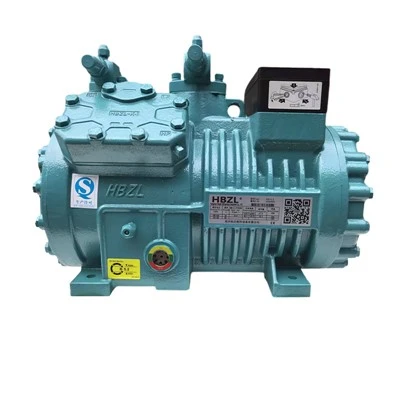
Next, check the refrigeration and air systems. The spiral freezer’s compressors are its heart—if they’re not running at the right pressure, the whole unit suffers. On the control panel, verify that the suction pressure is within the range specified by your supplier (usually between 10 and 15 PSI for most food-grade refrigerants). If it’s too low, that means the refrigerant charge is off, and you’ll get insufficient cooling; too high, and you’re wasting energy and risking compressor damage. Also, check the fan speeds: each section of the spiral (the pre-freeze zone, the main freeze zone, and the hardening zone) has fans that can be adjusted. For delicate products like cooked shrimp, you’ll want lower fan speeds to avoid blowing them off the belt, while denser products like whole chickens can handle higher speeds for faster freezing.
Once all pre-checks are done, it’s time to load the product. This is another area where I see operators make mistakes. Never overload the spiral—this is a common one. Overloading increases residence time beyond what you set, meaning some product spends too long in the freezer while others don’t get enough. It also blocks air flow, leading to uneven freezing. We generally recommend a loading density of 5 to 10 pounds per square foot of belt surface, depending on the product’s density. For example, light, airy products like doughnuts can only be loaded at 5 lbs/sq ft, while dense items like hamburger patties can go up to 10 lbs/sq ft. Also, make sure products are arranged in a single, even layer on the belt—no overlapping, no piles, and no sticking over the edges. If a product hangs over, it can get caught in the chamber walls or the air louvers, causing a jam that shuts the whole system down.
Now, the most critical part of operation: adjusting the system in real-time as you run. Even with perfect pre-checks, product variation happens. Maybe your supplier sent a batch of potatoes that are slightly wetter than usual, or you switched from chicken breasts to chicken thighs, which are denser. That’s why monitoring is non-negotiable. Most modern spiral freezers have temperature sensors along the belt—take 5 minutes every hour to check the product temperature at the exit point. For most products, you want a core temperature of 0°F (-18°C) or lower when it exits. If it’s coming out warmer, you have a few levers to adjust: you can lower the air temperature by 2 to 3 degrees, increase the fan speed, or extend the residence time by adjusting the conveyor speed (slower speed = more time in the freezer). If it’s coming out colder than needed, you can raise the air temperature slightly, speed up the belt, or lower fan speeds to save energy.
Another common pitfall: dealing with jams. Even the best operator will get a product jam at some point. The first rule here is never to reach into the running chamber while the belt is moving. All our units have emergency stop buttons at the entrance, exit, and control panel—stop the belt immediately, then locate the jam. Most jams happen at the entrance or exit sections, where products enter or leave the chamber. Gently remove the blocked product, making sure you don’t damage the belt or any internal components. After clearing a jam, do a quick visual check of the air panels and belt alignment before restarting—jams often leave small debris that can clog air flow later.
Now, let’s talk about energy efficiency, because that’s a big pain point for our customers. As a spiral freezer supplier, we design our units to be energy-efficient, but operator habits can make a huge difference. First, avoid running the unit at full capacity when you don’t need to. If you only have a small batch to run, don’t keep the entire spiral loaded—wait until you have enough product to fill it evenly, which reduces air leakage. Second, clean the unit regularly: food debris on the belt or air panels doesn’t just cause uneven freezing, it makes the compressor work harder to maintain temperature, increasing energy use by up to 15%. We recommend a deep clean of the entire chamber, belt, and air system once a week, using food-safe cleaners that won’t damage the metal or components. Third, don’t leave doors open longer than necessary. The entrance and exit doors are designed to keep cold air inside—if you’re loading/unloading product slowly, you’re letting cold air escape, making the refrigeration system work overtime. Our units have curtain systems at the doors to minimize air loss, but operators still need to be mindful of how long doors are open.
I also want to touch on safety, because that’s non-negotiable in food processing plants. All spiral freezers have safety guards, emergency stops, and interlocks that shut down the unit if a door is opened or a component is faulty. Never bypass these safety features—we see operators do this all the time to save time, but it leads to serious injuries, from fingers caught in moving belts to exposure to extremely cold air. Also, make sure all operators are trained on the specific unit they’re using. Even if you’ve run a dozen spiral freezers, every model from every supplier has slightly different controls and protocols. We offer on-site training for all our customers, and it’s worth every penny to make sure your team knows how to operate the unit safely.
Now, let’s talk about common mistakes I’ve seen over the years, and how to fix them. The first one is uneven freezing, where half the batch is fully frozen and the other half is partially frozen. This is almost always caused by clogged air panels, uneven loading, or incorrect air flow settings. Fix it by cleaning the air panels, reloading the product in an even layer, and adjusting fan speeds to ensure uniform air distribution. The second mistake is excessive ice crystal formation, which makes products like berries mushy or bread products hard. This happens when the product freezes too slowly, usually from overloading, too high air temperature, or too short residence time. The fix here is to reduce loading density, lower air temperature, or slow the conveyor to increase residence time. The third mistake is unplanned downtime from belt jams. Prevent this by doing regular belt alignment checks, inspecting products for sharp edges or debris before loading, and training operators to react quickly to small jams before they turn into major breakdowns.
If you’re reading this and you’re a plant operator or maintenance manager, you might be thinking, “This sounds like a lot, but it’s manageable.” The good news is that once you get into a routine, operating a spiral freezer becomes second nature. The pre-operation checks, product settings, and real-time adjustments become habits, not chores. And the payoff is huge: better product quality, less waste, lower energy bills, and fewer breakdowns.
If you’re in the market for a spiral freezer, or you’re looking to upgrade your current one to make operation easier and more efficient, our team is here to help. We don’t just sell equipment—we support our customers every step of the way, from on-site installation to ongoing training and troubleshooting. Whether you’re a small artisanal bakery looking to start freezing your line of frozen pastries, or a large-scale food processing plant needing a high-volume spiral freezer for IQF vegetables, we have the right solution for your needs. We work closely with our operators to tailor our equipment and protocols to their specific products and production goals, because we know that a well-run freezer is the backbone of consistent frozen food production.

Don’t let poorly operated equipment hold your production back. Reach out to our team to discuss your spiral freezer needs, and we’ll help you find the perfect unit, plus all the guidance you need to operate it safely, efficiently, and to get the best possible results for your products.
Refrigeration Ball Valve References:
- Fikiin, K., & Sevik, M. (2020). Spiral freezers in food industry: A review of design, operation, and performance optimization. Journal of Food Engineering, 287, 110089.
- US Food and Drug Administration. (2021). Food Safety for Frozen Food Processing Facilities. FDA Center for Food Safety and Applied Nutrition.
- American Society of Heating, Refrigerating and Air-Conditioning Engineers. (2022). ASHRAE Handbook: Refrigeration. ASHRAE.
- Tassou, S. A., De-Lille, G., & Ge, Y. T. (2019). Energy efficiency in commercial food refrigeration systems. Applied Energy, 239, 1021-1035.
Zhejiang Xuanyuntong Refrigeration Technology Co., Ltd.
Zhejiang Xuanyuntong Refrigeration Technology Co., Ltd. is one of the most experienced spiral freezer manufacturers and suppliers in China. We warmly welcome you to wholesale high quality spiral freezer made in China here from our factory. Also, custom service is available.
Address: South Side, No.9 Zhongyuan, Pukou Sub-district, Shengzhou City, Shaoxing City, Zhejiang Province, China
E-mail: admin@xytrefrigeration.com
WebSite: https://www.xytrefrigeration.com/
