If you’ve ever installed matte quartz surfaces in your kitchen, bathroom, or anywhere else, you know that soft, non-reflective finish? That’s the good stuff—no more glare when you’re trying to prep a weekend meal, no more streaks that show up like neon on shiny stone. But here’s the thing: matte quartz isn’t like the glossy stuff, and maintaining it can feel a little tricky at first, especially if you’re used to wiping down countertops with whatever’s under your sink. As a quartz surface supplier who’s worked with homeowners, contractors, and designers for years, I’ve seen way too many people accidentally dull their matte quartz or get stubborn stains that never come out because they didn’t know the right moves. No fancy lab hacks, no overpriced cleaners—just real, actionable stuff that actually works, straight from someone who sees these surfaces every single day. Quartz Surface
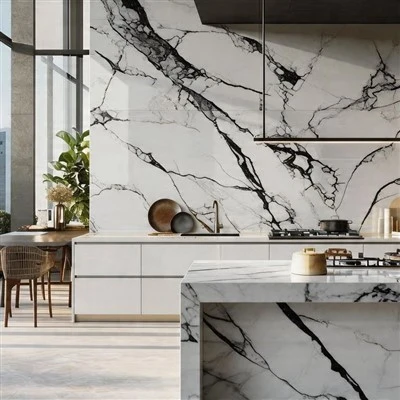
First, let’s get one thing straight: matte quartz is engineered to be low-maintenance, but that doesn’t mean “no maintenance at all.” It’s made of 90-something percent natural quartz crystals bonded with resin, right? The matte finish comes from a textured top layer that’s treated to be less smooth than glossy quartz. That texture is why it hides fingerprints and light scratches way better than glossy quartz, but it’s also the reason why tiny crumbs, spilled coffee, or soap scum can sneak into those little crevices if you leave them sitting too long. I had a customer last year who thought matte quartz was stain-proof, so she left a red wine spill on her island overnight. By morning, it was set into the texture, and she thought she’d ruined it. Turns out she just used the wrong cleaner to scrub it—hard bristles and bleach-based stuff will scratch or discolor that matte top layer faster than you can say “countertop.” So let’s start with the basics: daily cleaning that’s quick, no hassle, and won’t mess up the finish.
Daily wipe-downs are non-negotiable, but you don’t need a special $50 “matte quartz cleaner” from a home store. Most of the time, warm water and a soft microfiber cloth work totally fine. I tell all my clients to keep a stack of microfiber cloths under the sink—they’re gentle, absorbent, and won’t leave little lint specks that are impossible to buff out. If there’s a little more gunk, like cooking oil or sticky syrup? Mix a drop of mild dish soap (the original blue Dawn works great, no fancy scents or moisturizers) with warm water, wipe it, then rinse with plain water, and dry it. Pro tip: don’t use paper towels. The wood pulp in paper towels has tiny, abrasive fibers that can create micro-scratches on matte quartz over time, even if you can’t see them right away. Those scratches add up, and eventually, the finish starts to look dull instead of soft. I learned that from experience—my own test countertop at the warehouse had little scratch lines from paper towels after a few months, so now I only stock microfiber for spills and daily cleaning.
Now, what about actual stains? Accidents happen—you’re cutting veggies on the counter, a kid knocks over juice, someone spills nail polish remover. Matte quartz is more stain-resistant than natural stone like marble or granite, but it’s not invincible, especially if you leave things sitting for hours (or days). Let’s break down the most common stains and how to fix them without ruining the matte finish.
First, organic stains: coffee, tea, red wine, fruit juice, maybe even that berry pie filling that oozed out. For these, you want a gentle, non-abrasive poultice—no baking soda and water paste, wait, hold on—wait, not just any baking soda paste. A lot of people say baking soda is bad for stone, but it’s actually fine for quartz as long as you mix it right. For organic stains, mix a quarter cup of baking soda with just enough warm water to make a thick, spreadable paste (like the consistency of frosting, not runny). Spread it over the stain, cover it with plastic wrap, and tape the edges down so it sits for 24 hours. The baking soda will pull the stain out of the matte texture without scratching. After 24 hours, peel off the plastic, wipe the paste away with warm water, and dry. I’ve used this on red wine stains, tomato sauce spills, even grape juice, and it works 9 times out of 10. Just don’t leave the baking soda on longer than 24 hours—if it dries all the way, it can leave a powdery residue that’s a pain to buff out.
Then there’s oil-based stains: cooking oil, butter, grease, lotion. These are a little trickier because they sink into the texture faster. For these, skip the baking soda first—start with dish soap and warm water, scrub gently with a soft nylon brush (the kind you use for dishes, not steel wool) to work it into the crevices. If that doesn’t work, use a tiny bit of isopropyl alcohol (70% is fine, don’t get the 91% stuff, it’s too harsh) on a microfiber cloth. Wipe the stain, then rinse with water right after, and dry. Alcohol cuts through grease without messing with the matte finish, but don’t let it sit—alcohol can evaporate fast and leave a faint residue if you don’t rinse it. I had a client who used undiluted alcohol on a butter stain and forgot to rinse, and it left a white spot that took a little extra work to fix, so rinse immediately, okay?
The big one almost everyone asks about: scratches. Matte quartz is scratch-resistant, but not scratch-proof. If you drag a heavy pot across it, or use a metal scouring pad, you can get tiny scratches. The good news is that small, light scratches are way less noticeable on matte quartz than glossy, and you can fix them yourself at home, no pro needed. First, test the scratch: run your finger over it. If it’s just a surface scratch (you can’t feel it with your nail), it’s easy to buff out. If you can feel it, that’s a deeper scratch, but most of the time, even those can be touched up. For surface scratches, use a non-abrasive, pH-neutral quartz cleaner (look for one specifically for matte finishes—avoid anything with ammonia or bleach, those will dull the finish) and a 0000 grade steel wool (the finest grade, it’s almost like fabric, won’t scratch quartz). Dampen the steel wool with the cleaner, rub the scratch in gentle circular motions for 10-15 seconds, then wipe with warm water and dry. For deeper scratches, you can sand the area lightly with 220-grit sandpaper (wet, so it doesn’t leave dust), then follow with a 400-grit, then buff with the steel wool and cleaner. It’s a little extra work, but way cheaper than calling a professional. I always tell people to test the sandpaper on a hidden spot first, like under the sink, so you don’t mess up the visible part of the counter.
Now, what not to do—this is the part I repeat to every customer, because I see so many people make these mistakes. First, no abrasive cleaners: Comet, Ajax, scrubs with “scrubbing bubbles” or steel wool pads that are coarse. These will scratch the matte texture and leave dull spots that never go away. Second, no bleach or ammonia-based cleaners: Windex, Clorox wipes, bathroom cleaners with bleach—these will discolor the resin in the quartz and turn the matte finish yellow or gray over time. I once worked on a project where a homeowner used Windex every day for a year, and the once-soft matte countertop looked faded and streaky, even after cleaning it multiple times. Third, don’t set hot pans directly on matte quartz. Wait, quartz is heat-resistant, right? Yeah, but the matte finish is a little more delicate than the top layer of glossy quartz. If you set a 500-degree skillet right on the counter, it can leave a heat mark that’s hard to get out. Always use a trivet or hot pad—simple, no excuses. Fourth, don’t use sharp knives on the counter. Cutting directly on quartz (matte or glossy) will dull your knives and can leave deep scratches. I know it’s tempting, but a wooden cutting board is way cheaper than replacing a countertop.
Wait, also—daily prevention tips. The best way to maintain matte quartz is to prevent messes in the first place, right? Keep a set of microfiber cloths near the kitchen counter (or wherever your matte quartz is) so you can wipe up spills immediately—don’t let them sit for hours. Even water can leave water spots on matte quartz if you leave it to dry, so wiping up spills right away saves you from having to scrub later. For bathroom matte quartz (vanity tops, shower walls), soap scum is the biggest enemy. Use a weekly wipe-down with equal parts white vinegar and warm water—vinegar cuts through soap scum, and as long as you rinse it off right away, it won’t hurt the matte finish. Just don’t use vinegar too often, like every day, because it’s acidic and can break down the resin over time if left sitting.
I also get asked all the time about sealing matte quartz. Wait—should you seal it? Here’s the truth: most engineered quartz, including matte, is factory-sealed, so it doesn’t need to be sealed after installation. The resin and quartz crystals are already bonded tightly, so liquid can’t sink in deep enough to cause permanent stains like it can in natural stone. I’ve heard some “experts” say you should seal matte quartz every year, but that’s just a sales ploy—most of the time, it’s totally unnecessary. Sealing matte quartz can actually leave a weird, shiny film on the finish, which ruins the whole point of having matte in the first place. So save your money, skip the sealer.
Let’s talk about a recent example I had to make this real. A contractor reached out to me last month because a client had ruined their new matte quartz island three weeks after installation. The client had used a rough sponge to scrub a spaghetti sauce spill, and it left scratch marks all along the edge. When I went to the house, I showed them how to buff those tiny scratches out with steel wool and a mild cleaner, and after 10 minutes, the scratches were gone. They were shocked—they thought they’d have to replace the whole $5,000 countertop. That’s the thing about matte quartz: most little mistakes are fixable, as long as you know what to do.
Maintenance is all about consistency, not perfection. You don’t have to deep clean your matte quartz every single day, just stick to the simple daily wipe-downs, deal with stains within a day or two, and avoid the harsh stuff. If you’re installing new quartz surfaces (matte or any finish), pick a supplier that actually knows their stuff, not just sells product—someone who can walk you through care tips, answer questions, and stand behind their work.

If you’re thinking about upgrading your kitchen, bathroom, or workspace with matte quartz surfaces, or you have existing surfaces that need a refresh, I’m here to help. We work with homeowners, contractors, and designers to pick the right matte quartz for every space, and offer honest, no-fluff advice on keeping them looking great for years. Feel free to reach out to chat about your project, ask more care questions, or get a quote—we’re happy to help.
Quartz Flooring References
- International Quartz Manufacturers Association. (2022). Care and Maintenance Guidelines for Engineered Quartz Surfaces.
- Stone Technical Center. (2021). Matte Finish Quartz: Properties and Cleaning Best Practices.
- Residential Stone Association. (2023). Common Mistakes in Maintaining Textured Stone Surfaces.
- Quartz Surface Industry Association. (2022). Heat and Stain Resistance of Engineered Matte Quartz.
Wuhu Junde New Material Technology Co., Ltd.
With abundant experience, we are one of the most professional quartz surface manufacturers and suppliers in China. We warmly welcome you to wholesale high quality quartz surface at competitive price from our factory. If you have any enquiry about cooperation, please feel free to email us.
Address: No.8 Yulin Road, Xinwu Economic Development Zone, Anhui Province, China
E-mail: 1127319898@qq.com
WebSite: https://www.myjundequartz.com/
