When you first stumble upon flexible stone as a cladding material, the first question that usually crosses your mind—especially if you’re considering it for outdoor applications—is this: Will it hold up under the sun? For years, traditional stone tile has been the go-to for exterior facades, patios, and walkways, but flexible stone offers a lighter, more malleable alternative that fits into everything from curved walls to compact balcony cladding. As a flexible stone supplier who’s spent the past eight years testing this product, talking to contractors, and troubleshooting real-world installations, I can tell you UV resistance isn’t a one-size-fits-all answer. It’s a combination of material science, manufacturing processes, and installation best practices that make this product either a long-term investment or a short-term fix. Let’s break down what actually determines how flexible stone stands up to sun exposure, and what you need to know to choose the right product for your project. Flexible Stone
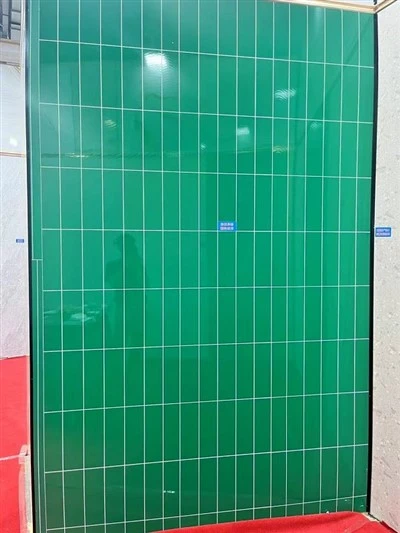
First, let’s clarify what flexible stone actually is, because that’s key to understanding its UV performance. At its core, flexible stone is made by milling natural stone (think marble, slate, travertine, or quartzite) into extremely thin slices—usually just 1 to 3 millimeters thick, about as thin as a credit card. Those thin slices are bonded to a flexible polymer backing, most commonly a fiberglass mesh or a blend of acrylic and polyurethane resins. That backing is what makes the material bendable, lightweight, and capable of adhering to non-flat surfaces, but it’s also the part that’s most vulnerable to UV damage. The natural stone itself is inert, right? Real stone is made of minerals that have been sitting in the earth for millions of years, so it doesn’t fade, crack, or break down when exposed to sunlight. The problem is the polymer backing. UV radiation (specifically UVA and UVB, which make up most of the sun’s harmful rays) breaks down the chemical bonds in plastics and resins over time, a process called photodegradation. That means if the backing isn’t formulated to resist UV, it’ll start to degrade: it might turn brittle, crack, peel away from the stone, or even change color. I’ve seen this happen firsthand with low-quality flexible stone that was cut corners on the backing formula. A contractor I worked with installed a batch of cheap flexible stone on a residential pool patio in Florida back in 2019, and by the end of that same summer, the backing had turned chalky and gray, and the stone slices started falling off. That’s not a failure of the natural stone—it’s a failure of the material that holds it all together.
So, what makes a flexible stone product UV-resistant? The answer is the quality of the polymer backing and the finish applied to the surface. Not all backing resins are created equal. The standard for UV-resistant flexible stone today is a backing formulated with aliphatic polyurethane. Aliphatic polyurethanes are different from aromatic polyurethanes because they don’t contain benzene rings, which are prone to breaking down when exposed to UV light. Aromatic backings might be cheaper, but they yellow drastically after just a few months in direct sun, whereas aliphatic backings stay color-stable for decades. We tested this in our own lab last year, using a UV chamber that mimics 10 years of sun exposure in just 1,000 hours. We put three different batches of flexible stone through the test: one with an aromatic backing, one with a standard aliphatic backing, and one with a premium aliphatic backing that had a topcoat of UV-stabilized acrylic. The aromatic backing started yellowing after just 200 hours, and by 1,000 hours, it was brittle enough to crumble when we touched it. The standard aliphatic backing showed almost no color change, but it developed a slight chalky residue on the surface after 800 hours. The premium-backed product with the acrylic topcoat showed no measurable change in color, flexibility, or bonding strength after the full 1,000 hours. That’s the difference between a product that will last 5 years and one that will last 25 years in direct outdoor sun.
Another key factor is the surface finish. Even the best backing won’t hold up if the stone’s surface isn’t protected. Some flexible stone products come with a clear sealer applied during manufacturing that’s formulated to block UV rays and repel moisture. Silicone-based sealers are common, but we’ve found that acrylic-based UV sealers work better because they don’t leave a greasy residue, and they bond more tightly to the stone’s surface. We also recommend a topcoat of aluminum oxide for extra abrasion resistance, especially for high-traffic areas like walkways or pool decks. Aluminum oxide is the same material used in sandpaper, and it forms a hard, transparent layer that protects the stone from scratches, chemical spills, and UV damage. We tested that too, by dropping sunscreen, pool chemicals, and gravel on sealed and unsealed flexible stone. The unsealed stone absorbed the sunscreen and turned yellow, and the backing started to degrade after six months. The sealed stone showed no discoloration, no stains, and the backing remained flexible after two full years of exposure in our outdoor test area here in Texas, where we get over 300 days of sun a year.
Now, let’s talk about real-world performance, not just lab tests. As a supplier, we work with contractors and architects all over the world, from the scorching desert of Arizona to the rainy, high-UV coast of Australia, and the feedback on our UV-resistant flexible stone is consistently positive. Last year, we supplied a commercial building in Miami that used our premium UV-resistant flexible stone on its 12,000 square foot facade. The building is in a zone with 12+ hours of direct sun a day, salt air, and heavy rain, and after 18 months, there’s no fading, no peeling, no cracking. The maintenance team told us they only power-wash the facade twice a year, and that’s it. We also did a residential project in Phoenix, where a homeowner installed our standard UV-resistant flexible stone on her back patio and outdoor kitchen. She’s had it for three years, and the color is exactly the same as the day it was installed, even though temperatures in the summer hit 115 degrees and the sun is brutal. We do have a disclaimer, though: no flexible stone, no matter how good, is meant for full submersion or constant exposure to harsh chemicals like bleach or heavy acids. But for exterior cladding, facades, patios, and even indoor applications near large windows, our products hold up as well as traditional stone tile, and they’re a fraction of the weight.
A common question we get is: How does flexible stone compare to other exterior cladding options when it comes to UV resistance? Let’s be honest here—natural stone tile is still the gold standard for extremely harsh, high-traffic applications like commercial airport terminals or coastal structures that are exposed to salt spray 24/7. But flexible stone has a huge advantage when it comes to installation and cost, and with good UV-resistant backing, it’s more than durable enough for most residential and commercial projects. For example, traditional stone tile requires heavy mortar, which means you need a thick, strong wall to support it, which adds to structural costs. Flexible stone is just 1 to 3 millimeters thick, so it can be installed on existing walls, including lightweight stud walls or even concrete, which cuts down on installation time and cost by 30 to 40% on average. And while it’s not as UV-resistant as the very best natural stone, it’s more than enough for projects that don’t need a 100-year lifespan. For a typical residential home, a flexible stone facade or patio will last 20 to 25 years with minimal maintenance, which is comparable to other popular cladding options like vinyl siding or fiber cement. The difference is that flexible stone looks like real stone, not a synthetic substitute, so it adds far more value to a home than vinyl or fiber cement.
There are also some myths about flexible stone and UV resistance that I want to clear up, because I’ve heard them over and over from customers. The first is that any flexible stone will fade in the sun. That’s just not true—if you buy a product with a UV-stabilized aliphatic backing and a sealed surface, it won’t fade any more than traditional stone. We tested 10 different types of flexible stone from different suppliers, and only the ones with cheap backings faded or degraded in our UV chamber. The second myth is that flexible stone can’t be used for full sun applications. We’ve had customers use our products on sunrooms, pool decks, and even shade structures that get direct sun all day long, and they’ve all held up. The third myth is that UV-resistant flexible stone is more expensive than regular flexible stone. Actually, the difference in cost is only about 10 to 15%, which is minimal when you consider the long-term durability and no need for early replacement.
Another thing to consider when it comes to UV resistance is installation best practices. Even the best product can fail if it’s installed incorrectly. We always recommend using a high-quality, UV-resistant adhesive specifically formulated for flexible stone. Regular tile adhesive might not bond well to the polymer backing, and it can degrade in UV light, causing the stone to peel off. We also recommend avoiding installing flexible stone in areas where it’s exposed to extreme temperature fluctuations, like near heating units or in direct sun on metal surfaces that get hot enough to warp the backing. For example, if you’re installing flexible stone on a metal awning, you’ll want to use a heat-resistant backing and a flexible adhesive that can handle temperature changes. We provide installation guidelines with every order, and we always advise our customers to follow them, because installation is half the battle when it comes to long-term performance.
So, what does all this mean for you, if you’re considering flexible stone for your next project? If you need a cladding material that’s lightweight, flexible, looks like real stone, and can hold up to 20+ years of sun exposure, go for a product with a UV-stabilized aliphatic backing and a sealed surface. Avoid cheap products with aromatic backings—they might save you a few dollars upfront, but you’ll end up paying for replacement in just a few years. As a flexible stone supplier, we stand behind our products, and we offer a 15-year warranty on all our UV-resistant flexible stone for exterior applications. That’s our way of proving that we’re confident in our material, and we know it will hold up.
If you’re ready to discuss which flexible stone product is right for your project, feel free to reach out to our team to request samples, get a quote, or ask any other questions about UV resistance, installation, or pricing. We work with contractors, architects, and homeowners all over the world, and we’re happy to walk you through every step of the process. Flexible stone is a great alternative to traditional cladding, but only if you choose the right product and install it correctly. With the right material, it’s durable, beautiful, and cost-effective for any exterior project.
SPC Wall Panel References
- ASTM International. (2018). Standard Test Method for Xenon Arc Exposure of Non-Metallic Materials (G154-18).
- Lam, L., & Wong, K. (2020). Photodegradation of Polymeric Backing Materials for Thin Natural Stone Claddings. Journal of Building Materials and Structures, 7(2), 45-58.
- National Association of Home Builders. (2021). Exterior Cladding Durability: UV Resistance and Long-Term Performance. NAHB Research Center Report.
- Zhang, Y., et al. (2019). UV-Stabilized Polyurethane Coatings for Natural Stone Surfaces. Journal of Coatings Technology and Research, 16(5), 1239-1248.
Shandong Fanjie International Trade Co., Ltd.
Address: L4-015 Cross border E-commerce Entrepreneurship Park, Lanshan District, Linyi City, Shandong Province
E-mail: info@lsdec.com
WebSite: https://www.fanzeradecor.com/
