If you’ve ever stood outside a municipal sewage treatment plant at 3 a.m., the kind that hums so steadily it feels like a living thing, you’ve been in the presence of more than just concrete and pipes. You’re in a space where environmental protection equipment isn’t an afterthought—it’s the backbone of keeping rivers clean, groundwater safe, and communities from smelling what would otherwise be a very different kind of morning. As someone who’s spent the last decade designing, supplying, and troubleshooting this exact gear (I run a small but scrappy environmental protection equipment firm, so this isn’t textbook jargon—it’s the stuff we test at 2 a.m. when a client’s plant hits a rain event), let’s break down the main pieces that make these facilities actually work for the planet. Environmental Protection Equipment

First, and maybe most critical, is the preliminary treatment line. No sewage treatment plant’s environmental gear could survive raw wastewater’s worst surprises—like the 10-foot log someone flushed down a toilet (yes, that actually happens) or plastic bags, food wrappers, and bits of construction debris—without this step. What does this equipment look like? We’re talking about a series of bar screens: heavy-duty steel grilles spaced just 6 to 12 inches apart that pull floating and large solids out of the flow before anything else. Then there’s grit chambers, usually concrete tanks with gentle aeration or flow control that lets dense sand, gravel, and coffee grounds sink to the bottom—stuff that would otherwise grind up pumps and clog pipes like a plugged kitchen drain. Here’s where our team makes a big difference: we don’t just sell the standard off-the-shelf screens. We design raking systems that self-clean, so plant operators don’t have to climb 10-foot ladders at 5 a.m. to haul away rotting garbage. And our grit handling equipment compacts the collected material so it takes up 70% less space, cutting down on landfill costs for our clients. Last year, a small plant in Ohio switched to our automated bar screens and cut their preliminary treatment labor time by 15 hours a week. That’s not just efficiency—that’s keeping operators safe, too.
Next up is primary treatment, the step that separates the heavy stuff that’s left after preliminary processing from the liquid we’ll eventually treat further. The main gear here is primary clarifiers, large round or rectangular tanks where sewage sits for 1 to 2 hours. In that time, organic solids like human waste, food scraps, and some industrial byproducts sink to the bottom as primary sludge, while grease, oils, and fats (remember all those people pouring bacon grease down sinks? Yeah, that’s a problem here) float to the top as a scum layer. The equipment that makes this work isn’t just the tank—it’s the sludge skimmers and scrapers: large, rotating arms that glide along the tank floor, pushing settled sludge to a hopper at the center, and a separate set of blades that skim the scum off the top to be processed separately. I’ve seen cheap, poorly designed scrapers break in half after a year because they can’t handle the heavy load of sludge from a plant serving 100,000 people. That’s why we build ours with heavy-duty steel components and test them to handle 200% of their rated load—no more emergency replacement calls during peak treatment season. A client in Pennsylvania recently told us their old clarifier scrapers required monthly repairs; ours have run for 18 months with zero breakdowns. That’s the kind of reliability that matters when a plant can’t shut down for even a day.
Then comes the workhorse of any sewage treatment plant’s environmental equipment: secondary treatment. This is where the magic happens—where microorganisms eat the remaining organic waste that preliminary and primary treatment left behind. The core pieces here are aeration tanks and secondary clarifiers. Aeration tanks are big, open tanks where we pump oxygen into the sewage, creating a habitat for millions of bacteria, protozoa, and other microbes called activated sludge. These microbes break down dissolved organic pollutants, turning them into carbon dioxide, water, and new microbial cells. The equipment that makes this possible is aeration systems—usually fine-bubble diffusers that release tiny air bubbles into the tank, which have more surface area to transfer oxygen than old, coarse bubble systems. That means more oxygen gets to the microbes, so they work faster and more efficiently. We also supply mixers for areas of the aeration tank where sludge would otherwise settle, keeping the microbes suspended and evenly distributed. After the aeration tank, the mixed liquid (now a soup of microbes, water, and treated waste) flows into secondary clarifiers, where the activated sludge sinks to the bottom. Some of that sludge is pumped back into the aeration tank to keep the microbial population high—this is called return activated sludge, or RAS—and the rest is sent to sludge processing. The clean, clarified water from the top of the secondary clarifier is what we discharge back into rivers or send for tertiary treatment. Here’s a common mistake plants make: using cheap diffusers that get clogged with sludge, reducing oxygen transfer by 50% in just six months. We supply diffusers with self-cleaning designs that prevent clogs, so our clients keep their aeration rates consistent and meet strict discharge limits. Last year, we helped a plant in Texas cut their aeration energy use by 22% by switching to our efficient fine-bubble systems—lower energy bills and better treatment? That’s a win for everyone.
Wait, let’s not forget tertiary treatment—this is the final polish that’s non-negotiable for discharging water that’s safe enough to touch (in some cases) or reuse for irrigation. Tertiary treatment equipment is what removes the remaining pollutants that secondary treatment misses: nitrogen, phosphorus, suspended solids, and even pathogens. The main pieces here are filtration systems, most commonly multimedia filters that use layers of sand, anthracite coal, and activated carbon to trap tiny particles. We also supply chemical dosing systems that add coagulants like alum or ferric chloride, which bind to phosphorus and nitrogen, making them easy to filter out. For plants that need to remove more pathogens, we work with UV disinfection systems or chlorine contact chambers—though UV is becoming more popular because it doesn’t leave harmful byproducts like chlorine. A lot of our municipal clients come to us because they need to upgrade their tertiary treatment to meet new EPA limits on phosphorus, which causes algal blooms in lakes and rivers. We designed a custom chemical dosing system for a plant in Minnesota that cut their phosphorus levels from 0.5 mg/L to 0.02 mg/L—well below the new standard. That’s the kind of targeted solution we love providing, not just one-size-fits-all gear.
And then there’s sludge treatment and disposal—this is the part of sewage treatment that’s often overlooked, but it’s a huge part of the environmental protection puzzle. The sludge we collect from primary and secondary treatment isn’t just waste; it’s a nutrient-rich byproduct that can be used as fertilizer (if treated properly) or needs to be disposed of safely. Our equipment here includes thickeners, which remove water from sludge to reduce its volume, and digesters, where anaerobic bacteria break down the organic sludge into biogas—methane that can be used to generate electricity for the plant, cutting down on fossil fuel use. We also supply dewatering equipment, like belt filter presses, that remove even more water from digested sludge, so it’s dry enough to be hauled away as biosolids or incinerated. A client in Wisconsin installed our anaerobic digester system and now generates enough biogas to power 30% of their plant’s operations—they even sell excess electricity back to the grid. That’s not just waste management; that’s turning a byproduct into a revenue stream and a carbon reducer.
I should also mention control and monitoring systems—these are the unsung heroes of the whole operation. All the equipment I’ve talked about doesn’t work if no one is watching it, adjusting it, and making sure it’s running within limits. Our control systems use sensors that measure pH, dissolved oxygen, pollutant levels, and flow rates in real time, so operators don’t have to take manual samples every hour. We also supply SCADA systems that let operators monitor the entire plant from a computer or even a smartphone, so they can spot a problem before it becomes a crisis. Last winter, a client in Michigan had a sensor alert them that the aeration tank’s oxygen level was dropping overnight, right before a big snowstorm. They were able to adjust the system remotely instead of driving to the plant in a blizzard at 2 a.m. That’s not just convenience—that’s reliability and safety.
As someone in the environmental protection equipment business, I’ve seen firsthand how skimping on any of this equipment can lead to disaster. A plant that cuts corners on preliminary treatment will have clogged pumps and higher maintenance costs. A plant with bad aeration systems will fail discharge limits and get fined. The best sewage treatment plants aren’t just the ones with the fanciest gear—they’re the ones that have the right equipment, designed to work together, to handle whatever comes their way: heavy rain, industrial wastewater surges, changing environmental regulations.
If you’re a plant operator, engineer, or anyone responsible for keeping your sewage treatment facility running efficiently and compliantly, we’ve supplied gear to over 200 plants across the country, from small rural facilities to large municipal systems serving hundreds of thousands of people. Whether you need to replace old bar screens, upgrade your aeration system, or install a new sludge digester, we can design a solution that fits your needs and your budget. We don’t just sell equipment—we provide support, from installation help to ongoing maintenance checks, because we know that when your plant is down, so is the local environment.
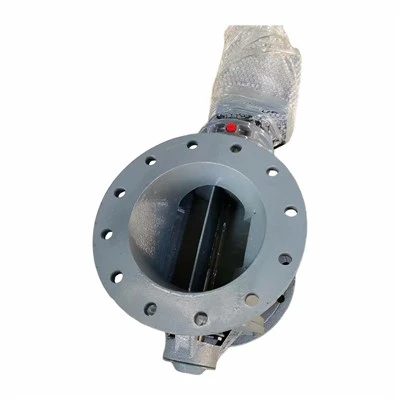
If you’re ready to talk through your plant’s needs, just reach out. We’re here to help you build a system that works for your community and the planet.
Dust Removal Equipment References
Metcalf & Eddy. (2014). Wastewater Engineering: Treatment and Resource Recovery. McGraw-Hill.
U.S. Environmental Protection Agency. (2021). Sewage Treatment Manual: Operation and Maintenance. EPA 832-F-21-001.
Water Environment Federation. (2019). Secondary Treatment Fundamentals for Municipal Wastewater. WEF Press.
American Society of Civil Engineers. (2020). Design and Construction of Municipal Wastewater Treatment Plants. ASCE Press.
Hebei Angran Environmental Protection Equipment Co., Ltd.
As one of the most professional environmental protection equipment manufacturers and suppliers in China, we’re featured by quality products and good service. Welcome to wholesale durable environmental protection equipment in stock here and get pricelist from our factory. We also accept customized orders.
Address: North of Jiaoqiao Village, Waliwang Town, Botou City, Cangzhou City, Hebei Province, China
E-mail: angranhb@163.com
WebSite: https://www.arhbsb.com/
