Hey everyone,
If you’ve ever placed an order with our empty gelatin capsules supply team, or if you’re just starting to source them for your nutraceutical, pharmaceutical, or herbal supplement line, you’ve probably wondered at some point: do empty gelatin capsules actually expire? I get it—this is one of the most common questions we get from buyers, and it’s totally fair. No one wants to spend money on a bulk lot of capsules only to find out they’re useless before you even get to fill them, right? Empty Gelatin Capsules
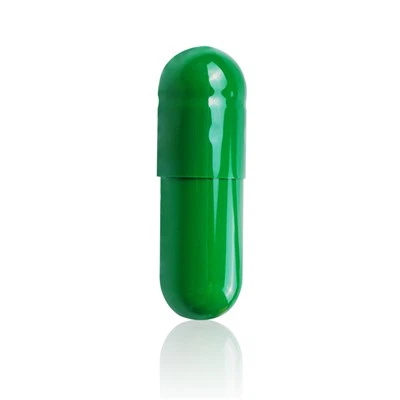
I’m Mia, part of the customer support team here (and yes, I’m the one who answers most of your late-night “capsule storage” DMs, so I’ve heard every angle of this question). Today, I’m breaking down not just the short answer, but the science behind it, what actually affects their shelf life, and what you can do to make sure your capsules stay good for as long as possible.
First off—let’s get the basics straight. Gelatin capsules are made from two main things: gelatin (usually from bovine or porcine sources, though we also offer kosher and halal fish gelatin options) and water. That’s it. No weird additives, no preservatives (unless specified—we keep our standard lot pure, which is why they’re so easy to fill and dissolve consistently). So their shelf life is tied directly to how those two components hold up over time.
Here’s the thing: empty gelatin capsules don’t have a “one-size-fits-all” expiration date stamped on every lot, and that’s not because we’re hiding something. The U.S. Pharmacopeia (USP) and European Pharmacopeia (EP) both set guidelines for gelatin capsule stability, and that’s where the “expiration” number comes from for most reputable suppliers. For standard empty hard gelatin capsules, the USP recommends a 2-year shelf life from the date of manufacturing—but that’s only if you store them correctly.
Wait, let’s unpack that. Why isn’t it 5 years? Why can’t you just keep them on a shelf forever? It all comes down to gelatin’s hygroscopic nature—meaning it loves to absorb moisture from the air. If your capsules are exposed to high humidity (think: a warehouse without climate control, or a storage closet in a damp basement), two bad things happen. First, they’ll get soft, sticky, and stick together in a clump that’s impossible to sort. You won’t be able to separate the cap and body to fill them, and even if you could, they might not close tight enough to keep your supplement inside. Second, too much moisture can break down the gelatin structure over time, making them dissolve unevenly when your customer takes them. Some parts might dissolve too fast in the stomach, others not at all, which messes with dosage consistency.
On the flip side, if you store them in way too dry an environment? That’s another problem. Humidity levels below 30% can make capsules brittle. They’ll crack or shatter when you’re loading them into a capsule machine, which wastes product and slows down your production line. I’ve had a buyer tell me they left a pallet of capsules in a storage unit over the winter (unheated, super dry), and when they unloaded them, half were broken. Total waste—could’ve been avoided by keeping it simple.
What about temperature? We get this a lot too. Do you need to keep your capsules in a fridge? No, unless you’re dealing with a special formulation, but standard capsules do fine between 15°C and 25°C (that’s 59°F to 77°F for our US buyers). Avoid direct sunlight—UV rays can break down gelatin’s protein structure, turning capsules yellow and making them more likely to degrade. We always ship our capsules in sealed, moisture-barrier bags with desiccants inside, and we recommend you don’t open that bag until you’re ready to use them. Once you open it, use them within 30 days, or transfer the leftover into an airtight container with a small desiccant packet to keep moisture levels stable.
Now, let’s talk about what “expired” actually means here. If a capsule is past its labeled 2-year date, that doesn’t mean it’s automatically dangerous. It just means the manufacturer hasn’t tested it for stability beyond that window. A lot of times, if stored perfectly, capsules might still be fine 3 or 4 years out—but you won’t have the data to back that up, which is a big deal for regulated industries like pharmaceuticals or nutraceuticals. If you’re making a product that’s going to go through testing (like USP dissolution tests for your final supplement), using capsules past their expiration date could cause your batch to fail those tests. No one wants a whole production hold because of a storage mix-up, right?
I should also mention the difference between gelatin capsules and other types, just in case you’re considering alternatives. HPMC (vegan) capsules, for example, have a longer shelf life—usually 3 years—because they’re made from plant-based cellulose, which isn’t as hygroscopic as gelatin. But that’s a whole other topic; today we’re sticking to gelatin, which is still the most popular for most buyers because it’s cheap, easy to fill, and dissolves consistently.
Wait, let’s address a common myth I hear all the time: “I found a case of capsules in my garage that’s 5 years old—are they still good?” I can’t tell you how many times a customer has hit me with that, and honestly, it depends. If they were in a sealed bag, in a moderate temperature, not exposed to extreme humidity or sunlight? Maybe. But if they were sitting out in open air, or in a damp garage? No way. I once had a buyer test old capsules and they came back with a dissolution time that was twice the normal rate—so their supplement would’ve dissolved in the esophagus instead of the stomach, which is a huge problem for delivery.
Another thing: always check the lot number and manufacturing date on your capsules. Our team makes sure every lot has that info clearly printed, because tracking the date is key for inventory management. If you’re a small operation doing 1,000 capsules a month, you might buy a smaller lot and use it up before the 2-year mark, so expiration is a non-issue. If you’re a large manufacturer doing 100,000 a week, you’ll want to rotate your stock (first in, first out) so you’re not using old lots when new ones come in.
What about quality control? Reputable suppliers (like us, obviously) test every batch before it leaves the warehouse. We test for moisture content (we keep it between 10-15% for standard capsules, which is the sweet spot), brittleness, and dissolution time. That’s why our labeled expiration date is based on actual, not theoretical, testing. Cheap, unmarked capsules from random suppliers might not have that testing, so their expiration dates are just guesswork, and you don’t know if you’re getting a good product.
Let’s wrap this up with actionable tips, because that’s what you guys care about most. If you want your capsules to last as long as possible:
- Store them in a cool, dry place: 15-25°C (59-77°F), 35-50% humidity. A closet in your office or a climate-controlled warehouse works perfectly.
- Keep them sealed until use: Don’t open the moisture-barrier shipping bags until you’re ready to use the whole lot. When you open a partial lot, put leftovers in an airtight container with a desiccant (you can pick these up at any craft store or online cheap).
- Avoid extreme conditions: No garages, no basements, no direct sunlight, no unheated storage in the summer or winter.
- Rotate your stock: Use older lots first, so you’re never working with capsules that are close to their expiration date.
- If in doubt, test: If you have a lot that’s close to expiration, or you found an old unopened lot, do a quick test: open a few, try to separate the cap and body. If they stick together or crack, toss ‘em. If they separate easily, close tight, and feel firm, they’re probably fine.
At the end of the day, the short answer is: yes, empty gelatin capsules do have an expiration date, usually 2 years from manufacturing, but only if stored correctly. They’re not meant to be stored indefinitely, but with proper care, you’ll get the full shelf life out of them.
If you have questions about specific lots, storage tips for your inventory, or you’re ready to place an order for your next batch of empty gelatin capsules, feel free to reach out to our team. We’re here to help with anything capsule-related, no question is too small.
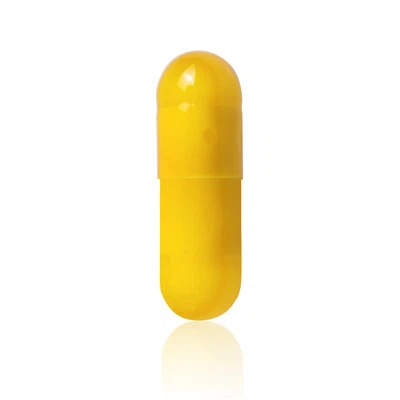
Thanks for hanging out, and happy capsule sourcing!
Vegetable Capsules References:
- United States Pharmacopeia (USP). <1081> Stability Testing of Compounded Dosage Forms. Rockville, MD: USP; 2023.
- European Directorate for the Quality of Medicines & HealthCare (EDQM). General Chapter 5.1.3: Stability Testing of Pharmaceutical Products. Strasbourg, France: EDQM; 2022.
- Food and Drug Administration (FDA). Guidance for Industry: Capsule Dosage Forms – Chemistry, Manufacturing, and Controls Documentation. Silver Spring, MD: FDA; 2018.
Hubei Kornnac Pharmaceutical Co., Ltd.
Hubei Kornnac Pharmaceutical Co., Ltd. is one of the most professional empty gelatin capsules manufacturers and suppliers in China, specialized in providing high quality OEM service. Welcome you to buy bulk customized empty gelatin capsules at competitive price from our factory. Also, samples are available.
Address: No.439 Hebei Avenue, Chibi, Hubei Province, 437300, China.
E-mail: service@kornnaccaps.com
WebSite: https://www.kornnaccaps.com/
