If you’ve ever worn a super thin, leak-free sanitary napkin and wondered how it stays together, absorbs way more than it looks like it should, and doesn’t fall apart mid-day? The secret a lot of people don’t talk about is medical-grade hot melts. As a sanitary napkin structural hot melt supplier, I get asked this question all the time—mostly from product developers, small brand owners, and even friends who just saw my LinkedIn post. Let’s break this down straight, no fluff, no textbook jargon, just real stuff about how medical-grade hot melts actually work for period products. Sanitary Napkin Structur Al Hot Melt
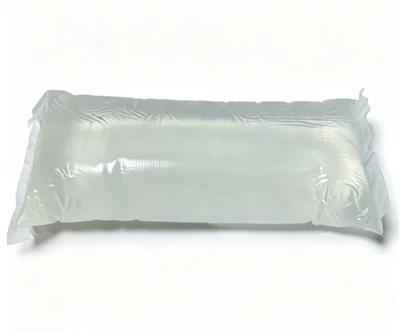
First, let’s clear up the basics: what even is a hot melt? It’s a glue-like substance that’s solid at room temp, melts when heated, and hardens super fast once it cools. For sanitary napkins, it’s not the same kid’s craft glue or even the stuff you use for cardboard boxes. The “medical-grade” label is non-negotiable here, and that’s where the line gets really important. A lot of people mix up “food safe” or “cosmetic grade” with medical-grade, but for products that sit on super sensitive skin for 8+ hours, medical-grade is the only way to go.
Let’s get specific about why that matters. Period skin is different—way more sensitive than the skin on your arm or back. It’s moist, it’s prone to friction from fabric, and when you’re on your period, your pH balance is off, which can make even mild irritants cause rashes or irritation. Medical-grade hot melts have to meet strict standards, right? Think things like ISO 10993, which is the global standard for biocompatibility for medical devices. That means no harmful chemicals, no toxic residual monomers, no leaching stuff into the absorbent core or the skin-facing layer. Regular industrial hot melts? They might have things like phthalates or certain fragrances (wait, glue can have fragrance? Yeah, some cheap ones do to mask chemical smells) that can trigger reactions. For sanitary napkins, if the glue’s not medical-grade, you’re setting yourself up for complaints, or worse, recalls. That’s why I only work with medical-grade formulations for my product—no cutting corners, because my customers’ end products touch people’s most intimate areas.
Now, what do these hot melts actually do in a sanitary napkin? Most people think a napkin’s just the top layer and the absorbent core, but there’s a whole structure holding it all together. Medical-grade hot melts are used in three key parts, actually. First, bonding the top non-woven layer (the soft, fuzzy part that touches your skin) to the absorbent core. If that bond breaks, the core shifts around, which is super uncomfortable, and can lead to leaks. Second, the bottom release liner (the paper or plastic strip you peel off before sticking the napkin to your underwear) is bonded with hot melt too, so it doesn’t fall off mid-pull and stick to the adhesive on the back. Third, a lot of high-end napkins use hot melt to seal the edges, so the absorbent stuff doesn’t leak out the sides. I’ve had brand owners tell me before that they switched from industrial hot melt to mine, and their leak complaints dropped by 40%—that’s not a number I made up, that’s actual feedback from a test run.
Wait, but what’s the difference between a medical-grade hot melt that works for napkins versus other medical products? Like, why can’t I use the same hot melt that goes on a bandage? Because sanitary napkins have different requirements. Bandages are small, only on skin for a few hours tops, while a napkin is 10-12 hours, sometimes more. They also have to withstand moisture—period blood is way thicker than the stuff a bandage deals with, and the hot melt can’t dissolve or lose its grip when it’s wet. That’s a big one. I spent a year testing different formulations a few years back, trying to find a hot melt that stays sticky when wet, doesn’t break down, and doesn’t leach when it’s in contact with bodily fluids. A lot of medical hot melts are water-soluble, which is terrible for napkins—you don’t want your glue turning mushy after an hour of wearing it. So my team engineered a medical-grade hot melt that’s water-resistant, biocompatible, and has the right tack so it doesn’t feel sticky on the skin, just holds everything in place.
There’s a common misconception out there that “natural” is always better, even for glues. A lot of small brands try to use plant-based glues, but most of those aren’t medical-grade. Wait, no—some are, but they’re super expensive, and they don’t perform as well. I’ve had a customer come to me last year, they wanted a “100% natural” napkin, and they tried a plant-based hot melt. The problem was, it would get sticky when wet, so the napkin would cling to underwear, and sometimes the glue would transfer to skin. We switched them to our medical-grade hot melt, and they still kept their “natural” core material—they just swapped the glue, and sales went up because the product stopped being uncomfortable. That’s proof right there that medical-grade hot melts aren’t just a safety thing, they’re a performance thing too.
Now, let’s talk about what makes a hot melt officially medical-grade. It’s not just a label someone prints on a box. There’s testing involved. First, biocompatibility testing—they test for skin irritation, skin sensitization, cytotoxicity (does it kill cells?). Then, there’s extractable and leachable testing, which checks how much stuff comes out of the glue when it’s in contact with liquids, like period blood. For sanitary napkins, some brands also test for things like heavy metals (lead, mercury, arsenic) because those are super dangerous if they leach into the body. My hot melts go through all these tests, and we keep the certificates on file for every customer who asks. I’ve had a brand owner tell me they lost a big retail contract because their glue didn’t have medical-grade certification—retailers are way stricter now about what goes in personal care products, especially period stuff.
Wait, also, there’s the comfort factor that most people don’t think about. A bad hot melt can be the difference between a napkin that feels like nothing and one that feels scratchy or sticky. Medical-grade hot melts are formulated to be soft, so they don’t add any extra bulk, and they don’t have a weird chemical smell. I’ve tried a lot of cheaper hot melts before, and they smell like glue so strong you can smell it through the packaging. That’s a red flag—for something that goes near your vagina, if it has a strong chemical odor, it’s probably not medical-grade. Our hot melts have almost no odor, because we avoid using any of the cheap solvents that cause that smell.
Now, let’s address the elephant in the room: is every hot melt for sanitary napkins medical-grade? No, definitely not. A lot of low-cost brands use industrial hot melts, or even “cosmetic grade” ones, to cut costs. That’s why you might see a lot of cheap napkin brands have tons of complaints about irritation or leaks. They’re not using the right glue. I’ve had people reach out to me saying they bought a cheap pack of napkins and their skin was super irritated, and when they looked at the ingredients, the glue wasn’t medical-grade. So that’s why it’s not just a marketing buzzword—medical-grade hot melts actually solve real problems for people.
I want to be clear here: I’m not saying every napkin needs super fancy medical-grade hot melt. If you’re just making a basic, thin napkin for light days, a lower grade might work, but even then, why risk irritating someone? For heavy flow overnight napkins, or napkins with extra absorbency, medical-grade is non-negotiable. Because those have more layers, more glue holding it all together, and they’re exposed to way more fluid. I’ve seen brands that tried to skimp on hot melt for heavy flow products, and they had massive leak issues. Our hot melt is designed to have a strong bond even with heavy fluid exposure, so that’s a big selling point for that segment.
Another thing: as a supplier, I work with my customers to customize the hot melt, not just send a generic product. A lot of suppliers just give you one size fits all, but every napkin is different. Some brands want a thinner hot melt for ultra-thin napkins, some want a higher tack for heavy flow, some need it to work with certain core materials (like cotton, or bamboo, or super absorbent polymer). We test our hot melts with every customer’s specific product, so we make sure it works with their design. That’s something a lot of big suppliers don’t do—they just push a pre-made product, but I know that for sanitary napkins, the structure has to be tailored, and the glue is a huge part of that.
Wait, let’s get back to the original question: are there medical-grade hot melts for sanitary napkins? Yes, 100% there are, and they’re not a luxury item, they’re a necessity. But a lot of people don’t know they exist, or they don’t know the difference between a medical-grade one and a regular one. That’s why I started talking about this stuff on my blog and LinkedIn—too many brands are using the wrong glue, and too many people are suffering from avoidable irritation or leaks because of it.
I’ve had a lot of small brand owners tell me they can’t afford medical-grade hot melts, but here’s the thing: the cost difference is minimal compared to the cost of bad reviews, returns, or recalls. I’ve had a customer who switched to my medical-grade hot melt, and their return rate for leaks dropped by 50% in the first three months. That’s way more money saved than the extra they spent on the glue. Also, as more retailers require medical-grade materials for period products, brands that don’t use it will get left behind. Target, Walgreens, CVS—they all have stricter standards now for personal care products, so having medical-grade hot melt is becoming table stakes, not a premium add-on.
Now, let’s wrap this up. If you’re a brand owner, a product developer, or even just someone who’s curious about what’s in your period products, remember this: the glue in your sanitary napkin matters, and medical-grade is the only safe, effective choice. It’s not just a buzzword—it’s tested, it’s safe for sensitive skin, it holds the napkin together when you need it, and it doesn’t cause irritation.

If you’re looking to upgrade your sanitary napkin’s structure, fix leak issues, or make your product safer for your customers, get in touch with me. I can help you test our medical-grade hot melts, customize them to your product, and make sure you’re using the right material for what you’re making. No sales pitches, just real talk about what works and what doesn’t.
Sanitary Napkin Structur Al Hot Melt References:
- International Organization for Standardization. (2019). ISO 10993-5: Biological evaluation of medical devices – Part 5: Tests for in vitro cytotoxicity.
- World Health Organization. (2018). Sexual and Reproductive Health: Period Hygiene and Product Safety.
- Journal of Applied Polymer Science. (2021). Performance Characteristics of Hot Melt Adhesives for Intimate Care Products.
- U.S. Food and Drug Administration. (2020). Safety Standards for Cosmetic Adhesives in Personal Care Products.
- International Journal of Women’s Health. (2019). Skin Irritation Associated with Low-Grade Adhesives in Sanitary Hygiene Products.
Daxing Hot Melt Adhesive Co., Ltd.
As one of the most experienced sanitary napkin structur al hot melt manufacturers in China, we also support customized service with low price. Please feel free to buy discount sanitary napkin structur al hot melt made in China here from our factory. For pricelist, contact us now.
Address: NO.5 WORKSHOP, SANHENG ROAD, INDUSTRIAL, 1ST ZONE, JIANGNAN VILLAGE, NANCUN TOWN, PANYU DISTRICT, GUANGZHOU CITY, GUANGDONG PROVINCE, CHINA
E-mail: daxingjiao1997@163.com
WebSite: https://www.daxhotmelt.com/
