Let me tell you about something I get asked every single day from customers – both folks who are just trying to fix a leaky garden hose and industrial operations managing hundreds of high-pressure hoses on their equipment: “How tight should a hose mender be?” Hose Mender

I’m in the hose mender supply business, so I’ve seen every mistake there is. Last year, a farmer came to our warehouse red-faced because he’d overtightened a mender on his irrigation hose, splitting the rubber so badly he had to pull three sections of pipe out of his corn field just to replace the whole thing. A residential customer called me in a panic because he’d under-tightened a mender on his pressure washer hose, and it blew out mid-spray, soaking his driveway and his neighbor’s dog.
Neither of those had anything to do with a bad mender – both were just simple, common mistakes. The truth is, getting the tightness right for a hose mender is way more nuanced than just cranking it with a wrench until it feels secure. It’s not a one-size-fits-all rule, either. It depends on what kind of hose you’re working with, what pressure that hose will handle, and even the material the mender itself is made from. Let’s break this down like I’d break it down for someone standing at our loading dock, holding a hose and a half-finished mender.
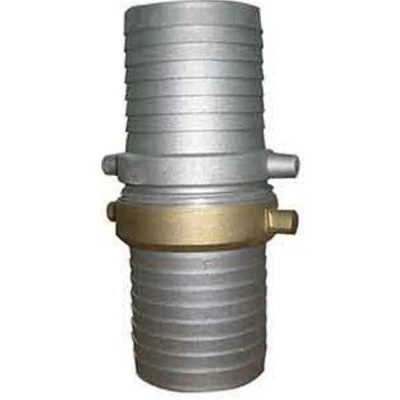
First, let’s start with the basics: what a hose mender does. A hose mender is that two-piece metal (or plastic, for lighter-duty jobs) connector that splices a broken hose back together. The inside has barbs – those little pointed ridges that dig into the hose’s inner wall – and an outer collar that you tighten to squeeze the hose tight against the barbs, creating a seal that stops water (or whatever else runs through the hose) from leaking out.
The biggest mistake people make, hands down, is thinking more torque equals a better seal. That’s a big myth, and it’s the one that causes most of the splits and breaks. Let’s talk about why: most standard garden hoses, for example, have a rubber outer layer and a fabric reinforcement inside. That fabric gives the hose its strength, but it’s also relatively soft. If you tighten the mender’s collar so much that you crush that fabric layer, you’re not just making a seal – you’re weakening the hose permanently. A hose that’s been overtightened at a mender is going to fail first, almost always right at the connection, long before the rest of the hose shows any wear.
I learned this the hard way early in my business. When we first started supplying menders to landscapers, a few guys came back complaining that their hoses were splitting within a week of installation. I thought our menders were defective, so I called a local irrigation specialist to ask. He looked at one of the failed hoses, checked the mender, and said, “You’re telling your guys to tighten it until it won’t turn by hand? That’s too much.” He showed me: a standard 5/8-inch garden hose mender only needs to be hand-tight, plus a quarter turn with a pair of pliers. No wrench, no extra force. That quarter turn is just enough to get the barbs to bite into the hose without crushing the reinforcement.
But wait – that’s for garden hoses. What about industrial hoses? Or pressure washer hoses, or fire hoses? Those are totally different. A pressure washer hose can handle 3,000 PSI or more, so the mender needs to be a lot tighter to hold that pressure. But even here, there’s a limit. I once had a construction manager bring in a mender he’d overtightened on a concrete pump hose – he’d used a 10-inch wrench, and when he pulled the collar off, the steel reinforcement inside the hose had crumpled, making the mender impossible to seal. For high-pressure hoses, the rule is different: you want to tighten the collar until the hose’s outer bulge is just barely compressed. You can test that by squeezing the hose right next to the mender after tightening – if it feels firm, but not squished, that’s right. If it feels like you’re squeezing a soda can, you’ve gone too far.
Material matters too. Plastic menders, which are common for light-duty outdoor hoses, can’t handle as much torque as metal menders. Twist a plastic mender too tight, and the collar will crack. I’ve seen that happen to homeowners who use a wrench on a plastic mender – the collar splits, and suddenly you have two pieces of mender and a leaky hose. For plastic menders, hand-tight is all you need. Metal menders (brass, stainless steel, aluminum) are sturdier, so you can add that quarter turn or even half a turn, but never more than that.
Another thing I see all the time is people trying to reuse menders. That’s a bad idea, and it affects how tight you can make it. When you remove a mender, the barbs stretch the hose’s inner wall a little, and the collar can get bent or worn from tightening. If you try to reuse that mender, it won’t grip the hose as well as a new one, so people often crank it tighter to compensate. That leads to splitting. My advice? Always use a new mender when repairing a hose that’s going to see regular use. It’s cheaper than replacing a whole hose, and you won’t have to guess about the tightness.
Let’s also talk about what happens if you under-tighten. That’s the other end of the spectrum, and it’s more than just a nuisance. A mender that’s too loose will leak, of course, but it can also blow off. I had a restaurant owner come to us last month because a mender on his grease disposal hose blew out while he was pumping, making a mess all over his parking lot. He’d hand-tightened it and called it good, but the hose was carrying heavy grease and had a high flow rate – he needed that mender tightened a little more, just enough to make a tight seal, not loose. For any hose that’s going to carry anything under pressure, you don’t want leaks, but you also don’t want the mender to come off mid-use.
So how do you know exactly how tight to go? It’s not rocket science, but here’s a quick guide we put together for our customers, after years of fixing problems and testing menders:
- For light-duty hoses (garden hoses, outdoor water hoses, air hoses under 100 PSI): Hand-tighten the mender’s collar, then add a quarter turn with a pair of standard pliers. No wrench. If you’re using a plastic mender, skip the pliers – hand-tight only.
- For medium-duty hoses (pressure washer hoses, irrigation lines, air hoses 100-1,000 PSI): Hand-tighten, then add a half turn with pliers or a small adjustable wrench. Don’t use a wrench bigger than 8 inches, and don’t pull with a lot of force.
- For heavy-duty/industrial hoses (concrete pumps, fire hoses, chemical hoses over 1,000 PSI): Hand-tighten, then add three-quarters of a turn with a wrench. But stop as soon as you feel the collar meet resistance – don’t keep cranking.
- For any hose that will be used for hot water or chemicals: Stick to the tighter end of the range, but still never force the collar past resistance. Hot water softens rubber, so a seal that works for cold water might leak when hot, but overtightening will damage the hose’s heat resistance.
We also recommend testing after you tighten. Turn the water (or air, or whatever) on low first. Check for leaks. If it’s leaking, you can add another eighth or quarter turn – just small amounts, not a big twist. If it’s not leaking, you’re good. Don’t keep tightening because it feels “looser than you want” – that’s when you get splits.
I can’t tell you how many times I’ve heard customers say, “I’ve always done it this way, and it’s worked before.” That’s true, until it’s not. Last summer, a landscaper I’ve been supplying for five years came in with three split hoses, all at menders, because he’d been tightening them with the same wrench for 10 years. One of the hoses was a new heavy-duty model, which needed a different tightness than his old garden hoses. He’d cranked it like he always did, and that’s what split.
The thing about this business is, I don’t just sell menders – I solve problems. I’ve fixed more split hoses and leaky connections than I can count, mostly by talking to customers about that one simple question: how tight is tight enough? It’s not about being strong, it’s about being precise. Too much force, and you destroy the hose. Too little, and you get a mess.
If you’re dealing with a hose repair right now, or you’re outfitting a fleet of hoses for your job, don’t guess about the tightness. We can help. Our team has years of experience working with all types of hoses and menders, and we can walk you through exactly how tight to go for your specific application. Whether you’re a homeowner fixing a garden hose, a contractor managing heavy equipment, or a facility manager maintaining industrial lines, we can supply the right menders and the right advice to get the job done right. Don’t let a simple mistake with a hose mender turn into a costly repair or a frustrating mess. Reach out to our team to discuss your hose mender needs and get personalized guidance to ensure a secure, long-lasting connection.
Safety Clamp References:
- American Society of Agricultural and Biological Engineers. (2021). "Guide to Hose and Fitting Installation for Agricultural Applications." ASABE Standards.
- Occupational Safety and Health Administration (OSHA). (2022). "Hose Safety Standards for Industrial and Construction Equipment." OSHA 3156.
- Rubber Manufacturers Association. (2020). "Best Practices for Hose Repair and Mender Installation." RMA Technical Bulletin 12.
- Pressure Washing Industry Association. (2021). "Proper Fitting Tightness for Pressure Washer Hoses." PWIA Safety Guidelines.
Suzhou Fuyikang Metal Industrial Co., Ltd.
As one of the most professional hose mender manufacturers and suppliers in China, we have world-leading production equipment and strong manufacturing capabilities. We warmly welcome you to buy bulk high quality hose mender for sale here from our factory.
Address: No.26.Mudong Rd,Mudu Town, Wuzhong Distric, Suzhou City,Jiangsu Province,China
E-mail: SZFYK@SZFUYIKANG-COUPLING.COM
WebSite: https://www.fyk-coupling.com/
