If you’re a plastic turned parts supplier like us, you know that picking the right turning machine isn’t just about specs—it’s about how well it fits your daily grind, the parts you make, and the bottom line. Over the years, we’ve tested more machines than I can count, and I’ve seen guys buy a flashy new CNC lathe only to realize it can’t handle the soft, warping ABS parts we do for medical devices, or cut the tight tolerances needed for small plastic connectors. Let me break down what actually matters, not the marketing jargon you’ll see on sales brochures. Plastic Turned Parts
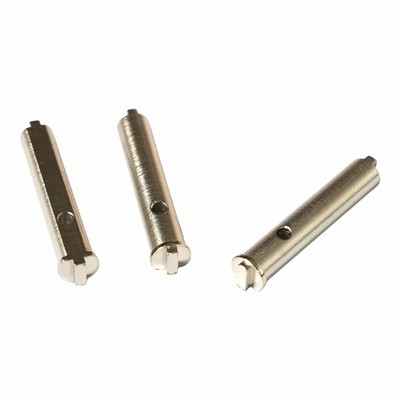
First, start with your part’s DNA. No, that’s not a buzzword—it means asking: what’s the plastic resin? What’s the size? What tolerance do we need? Let’s say you’re turning polypropylene for a disposable food container cap—soft, slippery, prone to melting if the tool gets too hot. A rigid, high-speed machine built for aluminum won’t work here; it’ll chatter, leave rough edges, and waste half the material. On the flip side, if you’re making a tiny PEEK component for a pacemaker, you need a machine that can hold ±0.0005” tolerances, no exceptions. We once bought a cheap used lathe to test small PEEK parts, and it ended up ruining $2k worth of resin because it vibrated too much. That’s the kind of mistake that costs you time and money.
Next, machine type matters—no one-size-fits-all here. There are manual lathes, 2-axis CNC lathes, Swiss-style lathes, and multi-tasking machines. Manuals are cheap, but they only work for simple, low-quantity parts. If you’re running 10k+ pieces a month, you’re gonna need CNC to keep consistency. Swiss-style lathes are game-changers for small parts—like those 1mm diameter pins for electronics. They grip the bar close to the cutting tool, so less deflection, no bending. We switched to a Swiss machine a few years back for our smartphone connector orders, and our rejection rate dropped from 8% to 1.5%. Multi-tasking machines are the big guns—they do turning, milling, drilling all in one setup, which is perfect for complex plastic parts that would need multiple machines otherwise. Yeah, they’re pricier, but the time saved setup is insane. I’d rather pay $50k extra for a multi-tasker than have to move a part three times between machines and risk damaging it.
Then there’s spindle power and speed—don’t sleep on this. Spindle power is how much force the machine can put out, and speed is how fast it spins. For plastics, high speed can be good, but only if paired with enough power. If you spin a soft plastic too slow, the tool pushes instead of cuts, leaving a rough surface. If you spin it too fast, the heat from friction melts the plastic, causing burrs. We learned this with HDPE parts for a water filter—we tried 3k RPM, got melting, dropped to 1.8k, and suddenly the edges were clean, no burrs. Spindle power also matters for heavier cuts. If you’re turning thick nylon stock for a gear, you need a spindle that can handle deep cuts without stalling. Cheaper machines often underrate their spindle power, so don’t just look at the advertised number—ask to test a sample run with your actual part.
Tooling and workholding are make-or-break for plastics, and this is where a lot of suppliers cut corners. Workholding is how you grip the part. Plastics are soft, so if you use a standard chuck with too much force, you’ll deform the part, especially thin-walled ones. We use soft jaws for most plastic parts—they conform to the outer surface, no marks, no deformation. For tiny parts, collets work better because they grip smaller diameters without squeezing too hard. Tooling? Carbide tools are a must, but not all carbide is the same. For plastics, you want sharp tools with a positive rake angle—this makes the cut cleaner, less force, less heat. We used to use generic steel tools, and we’d have to deburr every part. Switched to diamond-tipped carbide tools for acrylic parts, and deburring went from an hour a day to 10 minutes. Don’t forget tool changers either—if you run multiple parts, an automatic tool changer (ATC) saves so much time. Manual tool changes kill production, especially for small batches that need different tools.
Production volume and versatility are huge, too. If you’re a small shop that does both low-quantity prototypes and high-volume runs, you need a machine that can flex. A dedicated high-production Swiss lathe might be great for 50k pieces a month, but if you get a prototype order for 5 parts, it’s a pain to set up. We have two different machines for that reason—one for high volume, a smaller 2-axis CNC for prototypes. If you only have budget for one machine, go for a mid-range CNC with good tooling options, not a super high-end machine you can’t adapt. Also, think about the future—if you’re planning to expand your part line, get a machine that can handle bigger or more complex parts down the line. We almost bought a tiny machine that was perfect for our current parts, but realized in a year we’d need it for larger medical housings, so we went with a slightly bigger model. That call saved us $30k in upgrades later.
Don’t ignore maintenance and support. A machine is only as good as the help you get when it breaks down. We once bought a machine from a brand that had great reviews, but when the spindle went out, their techs took two weeks to show up. That shut us down for three days, and we missed a delivery deadline. Since then, we stick with brands that have local service techs, 24/7 support, and easy access to parts. Also, ask about regular maintenance—how often do you need to lubricate, replace belts, etc.? Some high-speed machines require daily checks, which adds to your workload. We pick machines with simple maintenance routines because our crew isn’t full-time mechanics—they’re operators who know turning, not fixing engines.
Lastly, test before you buy. This is the biggest mistake people make—they look at specs, sign the check, and then find out the machine doesn’t work with their parts. Most suppliers will let you run a sample part on their machine for a fee, or even bring your part to their shop to test. We did this with a new machine last year—brought a batch of PTFE parts, ran a test, and found the machine had too much runout, which made the part’s wall thickness uneven. We walked away, no hard feelings, and ended up with another machine that passed the test. It’s way cheaper to pay for a test run than to buy a machine that can’t do what you need.

At the end of the day, as a plastic turned parts supplier, our goal isn’t to just own a turning machine—it’s to make consistent, high-quality parts that our customers need. Pick a machine that matches your resin, part size, tolerance needs, production volume, and has the support to keep it running. Skip the flashy specs that don’t matter for plastics, and focus on what actually impacts your parts and your bottom line. If you’re not sure what machine fits your specific plastic parts, hit us up—we’ve got years of hands-on experience testing all kinds of turning gear, and we can help you narrow down what works.
Custom Turned Parts References:
- Plastic Turning Technology for Medical Components, Society of Manufacturing Engineers, 2021
- CNC Lathe Selection Guide for Non-Metal Parts, Manufacturing Engineering Magazine, 2022
- Workholding Best Practices for Soft Plastic Turned Parts, International Journal of Precision Engineering and Manufacturing, 2020
Huizhou Quanyi Precision Hardware Products Co., Ltd.
We’re well-known as one of the leading plastic turned parts manufacturers and suppliers in China, featured by quality products and good service. Please rest assured to buy customized plastic turned parts made in China here from our factory. Contact us for more details.
Address: Building A10, 7th Floor, Zhongchuangyingke 5G Industrial Park, Zhonghan Industrial Park, Tonghu Town, Huizhou City
E-mail: info@qycncturning.com
WebSite: https://www.qycncturning.com/
