If you’re a calf racer, you know that how you set up group calf pens can make or break your operation. I’ve been selling calf pen gear for years, and one question I get all the time is: “What’s the ideal density for group calf housing?” It’s not a one-size-fits-all answer, but after talking to hundreds of racer clients, testing different setups, and sifting through peer-reviewed research, I’ve got a pretty solid take that balances animal welfare, health, and your bottom line. Let’s break this down straight, no jargon, no fluff. Calf Pens
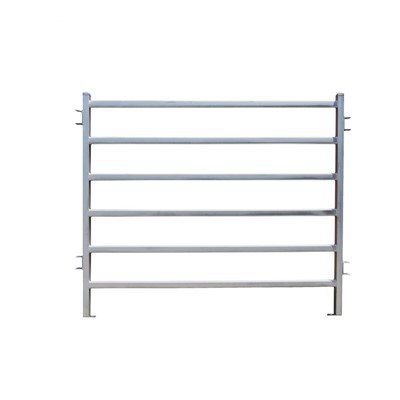
First, let’s define what group calf housing even means here. Most people are talking about 2 to 10 calves housed together, usually for calves between 2 weeks and 3 months old. Calves younger than that (under 2 weeks) are usually still in individual pens, so density doesn’t apply the same way there. Density, simply put, is how much space each calf gets in the pen. Too little, and you’ll see stress, sickness, and weight gains that lag. Too much, and you’re wasting money on extra pen space that doesn’t help the calves at all.
A lot of old-school racer tips used to say “bunch them together to save space,” but that’s just not true anymore. Let’s talk about the science that backs that up. Calves, like any young animal, need space to do normal stuff: lie down comfortably, nurse (or eat solid feed, as they get older), walk around, and just get away from penmates when they need a break. When calves are crowded, they can’t all lie down at the same time. Studies show that if a calf can’t lie down without stepping over another calf, their stress hormones go up, and they’re way more likely to get respiratory issues or scours. That’s a big deal because sick calves cost you money in vet bills, extra feed, and lost growth.
Now, what’s the actual number here? The USDA and most university extension services say a minimum of 40 square feet per calf for groups of 4 to 8 calves, and up to 50 square feet per calf for larger groups (8 to 10). Wait, but let’s adjust that for real-world use. If you’re using slatted floors (which most group pens are, for manure management), you have to factor in that the slats take up a tiny bit of space—so you might want to round up a little, maybe 45 square feet per calf for slatted floors, instead of solid. I’ve had clients who tried 35 square feet per calf, and almost all of them ended up with more sick calves than they expected. They tried to cut costs on pen space, but the extra vet bills and slower growth ate up any savings. On the flip side, one client went to 60 square feet per calf, and while the calves were healthy, they were spending extra on pen panels that they didn’t need. That’s just throwing money away.
But density isn’t just about square feet—there are other factors that change what works for your farm. Let’s talk about group size first. If your groups are small (2 to 3 calves), you can get away with a little less space, right? Because smaller groups mean less competition. For groups of 2, I recommend at least 30 square feet per calf. Two calves don’t need a ton of space to get away from each other, and they can form a buddy system that actually helps them eat and drink better. But once you hit 4 or more calves, the dynamic changes. More calves mean more competition for feed and water, so you need extra space to avoid fighting. I’ve had clients with groups of 5 at 38 square feet per calf, and they had way more cross-sucking issues than a client with groups of 5 at 42 square feet. Cross-sucking is a weird bad habit where calves suck each other’s ears or navels, and it leads to infections—another thing you don’t want.
Another big factor: calf age. Newer calves (around 2 to 4 weeks old) are smaller, so they don’t need as much space as older calves (8 to 12 weeks old) who are way more active and starting to eat solid feed. A 4-week-old Holstein calf is maybe 80 pounds, while a 12-week-old is 200 pounds. That’s a huge difference in size, so their space needs change. I usually tell clients to adjust density as the calves grow: start at 35 square feet per calf when they’re 2 to 6 weeks, then bump it up to 45 square feet when they hit 8 weeks and older. If you put a 200-pound calf in a pen designed for 80-pound calves, they’re cramped, no question.
Then there’s the floor type. Solid floors vs. slatted vs. sand. Sand is super popular for group calf pens because it’s soft and easy on their joints, but you have to account for the fact that sand takes up a tiny bit more space when it’s packed. Slatted floors are more common in confinement operations, and as I said earlier, the slats themselves don’t count as usable space, so you need a little more square footage there. If you’re using a bedded pack, that’s a different story—bedded pack is more like a big group pen where you add straw or bedding, and the density works out differently, but that’s a separate thing from the small group housing most of my clients use.
Wait, let’s talk about the common mistakes I see clients make. A lot of people measure the pen size wrong—they just go by the total length and width, but they forget about feed bunks and water troughs. Those take up space inside the pen! If your pen is 10×10 (100 square feet) and you have a 4-foot feed bunk, that’s 4 square feet per foot, so you’re losing 16 square feet to the bunk. That means your actual usable space is 84 square feet, not 100. If you have 2 calves, they’re getting 42 square feet each, which is actually good, but if you thought you had 50, you’re wrong. I always tell my clients to measure the “calf zone” inside the pen—the part that’s not taken up by feed, water, or gates. That’s the real space you’re working with.
Another mistake: overcrowding during peak periods. If you’re in calving season and you have 20 calves to move into group pens in one week, it’s easy to squeeze an extra calf into a pen to avoid building extra pens. But that temporary overcrowding can lead to a week or two of extra sickness, which sets the calves back for months. I had a client last spring who did that—he put 5 calves in a pen made for 4, and 3 of them got pneumonia. He ended up spending twice as much on meds as he would have if he’d just waited a few days to get the right size pen. It’s not worth the short-term hassle.
Now, what about research backing this up? I’ve read a bunch of studies from university dairy programs and animal welfare groups. One 2021 study from the University of Wisconsin looked at 120 group-housed calves and found that calves with less than 40 square feet each had 30% more respiratory disease than calves with 45 square feet. Another study from Cornell found that average daily gain was 0.2 pounds higher per day for calves with 45 square feet vs. 35 square feet. That might not sound like a lot, but over a 16-week period, that’s almost 5 extra pounds per calf. At $2 per pound of weaned calf, that’s $10 per calf. If you have 100 calves, that’s $1,000 extra in your pocket—way more than the cost of a few extra feet of pen panels.
But wait, I don’t want to make it sound like more space is always better. There’s a point of diminishing returns. If you go over 50 square feet per calf, you’re not seeing any extra growth or health benefits. In fact, some studies say that too much space can make it harder for calves to form social bonds, which might lead to more stress when you move them later. So it’s not about cramming as many as possible, or giving as much space as possible—it’s about finding that sweet spot where the calves are comfortable, healthy, and you’re not wasting money.
Let’s also talk about how to adjust for your specific farm. If you’re raising beef calves vs. dairy calves, that changes things a little. Beef calves are usually a bit larger, so you might want to bump space up to 50 square feet per calf. Dairy calves, especially heifers, can be a little more active, so they benefit from that extra space too. If you’re in a hot climate, a little extra space helps with air circulation, so you might want to go to 50 square feet to prevent heat stress. If you’re in a cold climate, you can get away with a little less because the calves huddle to stay warm, but even then, don’t go below 40 square feet.
I get it, running a farm is tight on budget. That’s why I always tell clients to prioritize the right density over skimping on pen size. A good group calf pen set doesn’t have to break the bank, and getting the density right pays off in healthy calves that grow fast. I’ve helped hundreds of clients size their group pens correctly, and almost all of them tell me after a few months that the extra space was worth every penny.

If you’re trying to figure out the right density for your operation, or you need help picking pen panels that work for your space, don’t guess. I’m here to help you work through it. Whether you’re just starting out and setting up your first group pens, or you’re looking to upgrade your current setup, I can walk you through what works for your calf age, group size, and floor type. Just reach out to connect with me to chat through your needs. We can talk about specific pen sizes, layout, and how to make sure your calves have the space they need to thrive. No pressure, just straight advice from someone who’s been in this calf business for a long time.
Calf Pens References
- University of Wisconsin Extension. (2021). Group Housing for Dairy Calves: Space Requirements and Management.
- Cornell University College of Agriculture and Life Sciences. (2020). Effect of Space Allowance on Calf Growth and Health in Group Pens.
- USDA Animal Welfare Guidelines. (2019). Housing and Management of Group-Housed Young Calves.
- Journal of Dairy Science. (2022). Social and Behavioral Responses to Space Density in Pre-Weaned Dairy Calves.
Hebei Honde Industrial Trade Imp & Exp Co., Ltd.
With abundant experience, we are one of the most professional calf pens manufacturers and suppliers in China. We warmly welcome you to wholesale high quality calf pens for sale here from our factory. We also accept customized orders.
Address: Room 1904, Yintai International Building, No.36 Guang’an Street, Shijiazhuang, Hebei, China
E-mail: livestock@hbhonde.com
WebSite: https://www.hondelivestocksupply.com/
