If you’re in the industrial lifting space—whether you run a construction yard, a logistics warehouse, or a material handling facility—you know that accuracy and safety aren’t just nice-to-haves: they’re non-negotiable. A single miscalculation in load weight can lead to damaged cargo, equipment breakdowns, or even life-threatening accidents. That’s why tension load cells are such a critical component of any lifting setup: they measure the exact tension force being applied to a load in real time, keeping your operations safe and efficient. As a tension load cell supplier, I’ve worked with dozens of teams to get these sensors installed correctly (and I’ve seen just as many issues come from rushed or improper installations), so today I’m breaking down the step-by-step process that works for our customers every time. This isn’t some generic guide pulled from a textbook—this is the practical, field-tested advice I’ve handed to operators and maintenance managers over the last decade. Tension Load Cell

First, let’s talk about why installation matters as much as the load cell itself. A high-quality tension load cell won’t perform to its specs if it’s mounted wrong. I’ve had customers reach out panicking because their new load cell is showing readings that are 10% off, only to find it was installed with a twisted cable or mounted to a surface that’s not perfectly flat. These sensors are precision instruments—they measure force in millivolts per volt, so even a tiny misalignment can throw everything off. The good news? Most installations are straightforward if you follow the right steps, and with a little prep, you can avoid the most common mistakes that waste time and money.
Before you even grab your tools, you need to do your homework. Let’s start with pre-installation planning, because skipping this part is where most people go wrong. First, confirm that your tension load cell is the right model for your lifting device. Not all load cells are created equal: you need to match the load cell’s capacity to your maximum lift weight (with a 10-15% safety buffer, I always recommend—never use a load cell rated exactly for your peak load, because sudden spikes can damage it). Check the working conditions too: if you’re lifting outdoors in extreme temperatures, or around harsh chemicals, you’ll need an IP67 or higher rated load cell, not a standard indoor model.
Next, inspect all the parts you’ll need for the job. When you order a tension load cell from our team, we include everything you should need: mounting brackets, hardware, a signal cable, and basic calibration documentation. But double-check that you have the right bolts, nuts, and washers—don’t use substandard fasteners, because vibration from lifting operations can cause regular steel bolts to loosen over time. I always suggest using galvanized or stainless steel hardware for outdoor applications, and lock washers or nylon insert nuts to prevent slippage. Also, inspect your lifting device’s attachment points: check for rust, cracks, or worn pins where the load cell will connect. If those spots are damaged, fix them before installing the new load cell—you don’t want to be replacing a sensor that’s fine because the lifting hook itself is unsafe.
Now, let’s get to the actual installation. First, turn off all power to your lifting device. This might seem obvious, but you’d be surprised how many people try to work on cranes or hoists while they’re still plugged in. Lockout/tagout procedures aren’t just a formality—they’re how you avoid accidental activation. Hang a lock on the power source, and assign only you (or your maintenance lead) the key, so no one else can turn it on while you’re working.
Next, prepare the mounting points. You need the load cell to sit perfectly level and aligned with the direction of the tension force. If the mounting surfaces are rough or uneven, take a grinder or a file to smooth them down—any gap or unevenness will put side stress on the load cell, which will skew readings and shorten its lifespan. When mounting the brackets, use a level to make sure they’re straight. If the load cell is a threaded body type (one of the most common for lifting applications), make sure the threads are clean and free of debris before you thread it into the brackets. Don’t overtighten the bolts or the load cell’s fittings—this is another common mistake. Overtightening can bend the load cell’s internal strain gauges, which will permanently damage it. Follow the torque specs we provide with your load cell, or if you don’t have them, a good rule of thumb is to tighten until the washer is compressed, then add a quarter turn more.
Once the load cell is mounted, it’s time to connect the cables. This is where a lot of people run into issues with signal interference. First, route the signal cable away from power cables, hydraulic lines, or any other source of electromagnetic interference (EMI). EMI from crane motors or control boxes can mess with the load cell’s readings, making them jump or be inconsistent. If you have to cross a power line, cross it at a 90-degree angle (the worst angle is parallel, which lets EMI leak into the signal). Secure the cable every 1-2 feet with cable clips to prevent it from rubbing against sharp edges on the lifting device—rubbing can fray the insulation and cause short circuits. Also, never stretch the cable too tight when routing it; leave a little slack for movement, especially if your lifting device travels a long distance. Tension on the cable itself can add extra force that the load cell will misread.
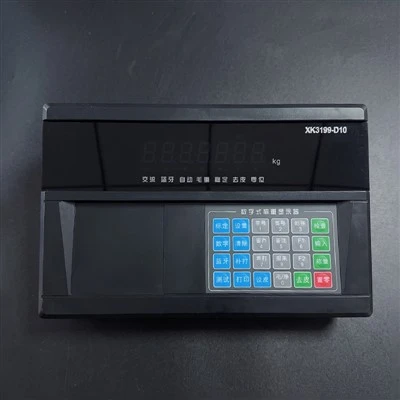
After the cable is routed, connect it to your indicator or control system. Make sure each wire is connected to the correct terminal—crossing a positive and negative wire can blow the load cell’s strain gauges, which is a costly mistake. Double-check all connections by gently pulling on each wire to make sure they’re tight, then insulate the terminals with electrical tape or heat shrink to prevent moisture from getting in. Moisture is the enemy of electrical components, so if your application is outdoors, use a waterproof junction box for the cable connections.
Now that the load cell is physically installed, the most important step comes next: calibration. A brand new load cell from a reputable supplier is factory-calibrated, but that doesn’t mean you can just install it and start lifting. Every lifting device has slightly different alignment and friction, so on-site calibration is non-negotiable. How do you do it? First, make sure there’s no load on the lifting hook—this is your zero point. Turn on the indicator and set it to read zero with no tension. Next, apply a known, calibrated load to the system. This is where you use test weights, or if you don’t have weights, you can use another calibrated load cell to apply a force you can measure. Apply a percentage of your maximum load (start with 50%, then 75%, then 100%) and adjust the indicator settings to match the actual weight. Repeat this a few times to make sure the readings are consistent. If the readings are off by more than 1%, double-check your alignment—chances are the load cell isn’t perfectly aligned with the tension direction, which is causing the error.
Once calibration is done, do a test lift. Lift a small, known load a few feet off the ground, hold it for 10 seconds, then lower it. Check the readings on the indicator during the lift, at the hold, and while lowering. Make sure there are no sudden jumps or drops in the number—if there are, go back and check the cable connections or alignment. Also, test the safety feature: if your system has an overload alarm, apply a load that’s slightly above the rating to make sure the alarm goes off. This is your final check to make sure everything is working as it should.
Now, let’s talk about post-installation best practices to keep your tension load cell working well long-term. First, establish a regular maintenance schedule. Every month, do a visual inspection: check for loose bolts, frayed cables, rust on the load cell body, or any signs of damage. Every quarter, do a quick check by lifting a known load to verify the readings are still accurate. For applications in harsh environments, you might want to do these checks every two weeks. Also, keep a log of your installation, calibration dates, and maintenance checks—this will help you track when your load cell might need to be replaced, and it’s useful if you ever have an issue that needs troubleshooting.
As a tension load cell supplier, I can’t stress enough that cutting corners on installation is never worth it. I’ve seen customers install a load cell in an hour, skip calibration, and then have to replace the sensor a month later because of misalignment, which costs them more time and money than taking the extra two hours to do it right the first time. The good news is that this process is simple, as long as you take your time, follow the steps, and use a high-quality load cell designed for your specific lifting application.
If you’re in the market for a new tension load cell, or you have questions about your current setup that aren’t addressed here, feel free to reach out to our team to discuss your needs. We work with all types of lifting operations, from small hoists to large construction cranes, and we’re happy to help you find the right load cell and guide you through installation or troubleshooting. Whether you need a standard model or a custom solution for a unique application, we’re here to make sure your lifting operations are safe, accurate, and efficient.
Weight Sensor References
- Measurement Solutions, Tension Load Cell Installation and Maintenance Guidelines
- Occupational Safety and Health Administration (OSHA), Guidelines for Lifting Equipment Safety
- Measurement Specialties, Load Cell Calibration Best Practices for Industrial Applications
- International Organization for Standardization (ISO), 7500-1: Metallic Materials – Calibration and Verification of Static Uniaxial Testing Machines – Part 1: Tension and Compression Testing Machines
Shandong Leheng Instrument Co., Ltd.
Shandong Leheng Instrument Co., Ltd. is one of the most experienced tension load cell manufacturers and suppliers in China. With abundant experience, we warmly welcome you to wholesale durable tension load cell in stock here from our factory. All customized products are with high quality and low price.
Address: 320 Meters North of the Intersection of Industrial Fifth Road and Planning Second Road, Economic Development Zone, Yunzhou Subdistrict, Yuncheng County, Heze City, Shandong Province, China
E-mail: hanyaoxian126@163.com
WebSite: https://www.lehengmeter.com/
