If you’ve ever spent time around industrial automation or material handling, you know how critical vacuum grippers are to keeping operations moving smoothly. From picking up fragile glass panels in a factory to sorting boxes in a fulfillment center, these tools do the heavy lifting—literally. But one question I get almost every day from customers and potential clients is this: “How long will my vacuum grippers actually last?” As someone who’s been in the vacuum gripper supply business for over a decade, I’ve learned that the answer isn’t a one-size-fits-all number. It depends on a mix of design, materials, usage, and maintenance—all factors I work with every day to deliver reliable products. Vacuum Gripper
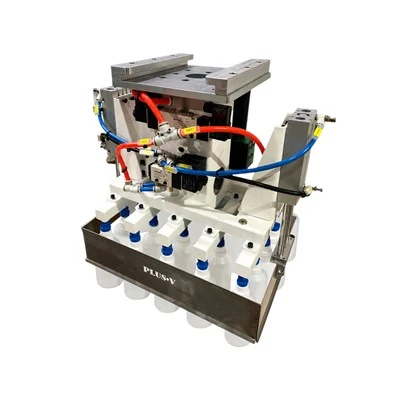
Let’s start with the basics. A vacuum gripper’s lifespan isn’t measured in years alone; it’s often tied to operating cycles. A standard industrial vacuum gripper used in a 24/7 packaging line might see 100,000 cycles a year, while one used in a low-volume factory might only hit 10,000. That difference alone changes everything. But to get a real sense of longevity, we have to break down the key components that make up a vacuum gripper—and how each wears out over time.
First, there’s the gripper’s main body, usually made from aluminum, stainless steel, or a durable polymer. Aluminum is the most common for its strength-to-weight ratio, but it can corrode if exposed to harsh chemicals or high humidity. Stainless steel holds up better in wet or corrosive environments, but it’s heavier and more expensive. Polymers are great for light-duty, non-corrosive settings, but they can degrade from UV exposure or extreme temperatures. The main body itself usually doesn’t fail—it’s the internal parts and the sealing elements that give out first.
That brings us to the most critical part of any vacuum gripper: the suction cup. This is where the rubber meets the road, so to speak. Suction cups are made from different types of elastomers, and their lifespan varies drastically based on the material. Nitrile rubber (NBR) is the workhorse here, with a typical lifespan of 2 to 5 years in standard conditions—like picking up cardboard boxes or plastic containers. It’s resistant to oils and moderate temperatures (from -20°C to 80°C), but it hardens over time when exposed to ozone (common in industrial electrical equipment) or repeated flexing.
Silicone suction cups, on the other hand, are ideal for delicate tasks, like handling food products or glass, because they’re soft and non-reactive. Their lifespan is a bit shorter, usually 1 to 3 years, because silicone breaks down faster from UV light and high temperatures. If you’re working in a hot manufacturing plant where temperatures regularly top 100°C, silicone might only last 6 to 12 months. Then there’s Viton, a fluoropolymer elastomer designed for extreme chemical and temperature resistance. Viton suction cups can last 5 to 8 years in harsh environments, but they’re stiffer, so they’re not great for irregular or fragile objects.
But here’s the thing: even the best suction cup won’t reach its expected lifespan if it’s misused. A common mistake I see customers make is running the gripper beyond its load capacity. If a 5kg suction cup is repeatedly lifting 7kg, the rubber stretches too much every cycle, leading to premature cracking. Or if the gripper is used on surfaces it’s not designed for—like trying to grip a rough, porous brick with a smooth silicone cup—the seal breaks easily, forcing the suction cup to work harder each time, speeding up wear.
Then there’s maintenance. A vacuum gripper is a low-maintenance tool, but skipping simple steps will cut its life short. Every week, I tell clients to inspect the suction cup for tears, cracks, or dirt buildup. Debris like dust, metal shavings, or food particles can get stuck on the sealing lip, creating tiny gaps that prevent a proper vacuum seal. Over time, those gaps will cause the suction cup to flex more, leading to wear. I had a client last year who was running a gripper line for electronics—he didn’t clean the suction cups for six months, and half of them failed early because of tiny solder residue stuck in the lip. That cost him thousands in downtime and replacement parts.
Also, check the vacuum generator and the hoses that connect to the gripper. A small leak in a hose or a clogged filter in the generator can make the gripper work harder, increasing the stress on the suction cup. I recommend replacing filters every 3 to 6 months, depending on the environment. If you’re operating in a dusty woodworking shop, change the filter every 3 months; in a clean room for pharmaceuticals, every 6 months is fine.
Now, let’s talk about real-world examples from my own customer base. One client is a food packaging company that uses our NBR suction cups to pick up sealed plastic trays at a rate of 50,000 cycles a week. They clean the cups daily with mild soap and check for damage every shift. Their suction cups typically last 3 to 4 years. Another client is a glass manufacturer that uses silicone cups to handle fragile panes. Their line runs 20,000 cycles a week, and they inspect the cups after every 10,000 cycles. Their silicone cups last about 18 to 24 months. Then there’s a steel mill that uses Viton cups to grip hot steel billets—temperatures there reach 120°C, and there’s lots of metal dust. Their Viton cups last 4 to 5 years, which is right in line with what we’d expect.
What about factors that can extend a vacuum gripper’s life? Choosing the right material for your environment is the biggest one. If you’re working in a cold storage warehouse, an NBR cup will hold up better than silicone. If you’re handling oily parts, Viton is a must. Also, investing in a gripper with a flexible mounting system—like a spring-loaded connector—helps absorb shocks when the gripper places an object, reducing stress on the suction cup. That’s a design feature we’ve included in most of our grippers over the last five years, and customers who use it see a 20-30% longer suction cup lifespan, on average.
On the flip side, what causes premature failure? I mentioned misuse and lack of maintenance, but there’s also environmental exposure. UV light from sunlight will break down any elastomer, so if your grippers are used outdoors (like in a truck loading bay), you’ll need to cover them when not in use or use a UV-stabilized suction cup. Extreme temperatures also play a role: below -30°C, NBR becomes brittle and cracks, so you need a specialized low-temperature elastomer. Above 150°C, no standard elastomer works for long—you’ll need a metal gripper instead, though metal grippers have their own wear factors, like scratching the object being handled.
Another common issue is over-tightening the suction cup. The mounting bolt on the gripper should be snug, not torqued down so hard that it deforms the base of the cup. A deformed cup has an uneven sealing lip, which won’t make contact with the object, leading to leaks and extra strain. I always advise clients to follow the torque specifications we include with every gripper—most of the time, it’s just a 1/4 turn past hand tight.
So, to sum up: a typical vacuum gripper, when used correctly and maintained regularly, will last anywhere from 1 to 8 years, depending on the type of suction cup, operating environment, and usage. But the most important takeaway is that you can control a big part of that lifespan.

At the end of the day, I’m here to help you get the most out of your vacuum grippers. If you’re not sure which material is right for your application, or if you’re dealing with frequent failures and want to troubleshoot, I’m happy to walk through your needs. Don’t hesitate to reach out to discuss your specific setup and how our products can fit.
Vacuum Clamping System References
- Industrial Vacuum Gripper Design and Maintenance Guidelines, Robotic Industries Association, 2022
- Elastomer Lifespan in Industrial Applications, Society of Tribologists and Lubrication Engineers, 2021
- Material Handling Equipment Performance Metrics, International Material Management Society, 2023
- Suction Cup Wear Analysis for High-Cycle Automation, Journal of Manufacturing Engineering, Vol. 18, No. 2, 2022
Plus (Hangzhou) Intelligent Technology Co., Ltd.
As one of the most professional vacuum gripper manufacturers and suppliers in China, we’re featured by quality products and low price. Please rest assured to buy durable vacuum gripper made in China here from our factory.
Address: No.1225, Sanxincun Village, Xinwan Street, Qiantang District, Hangzhou City, Zhejiang Province, China
E-mail: postmaster@plus-vsc.com
WebSite: https://www.plusvacuumsuctioncup.com/
