Hey everyone, it’s Jake from [Your Company] – we’re the folks that supply agricultural grade zinc sulfate heptahydrate to farms, co-ops, and crop nutrient retailers across the Midwest. For years, we’ve gotten questions from new buyers and even some seasoned growers about the safe transport of this stuff, and honestly? It’s way more important than just “load it on a truck and go.” Last quarter, we had a close call with a shipment that got rained on mid-route – ended up with caked, contaminated product, and a upset customer. That mess taught us a lot, and today I’m breaking down exactly how we do it right, no corporate jargon, just real stuff we’ve tested and lived through. Agricultural Grade Zinc Sulfate Heptahydrate
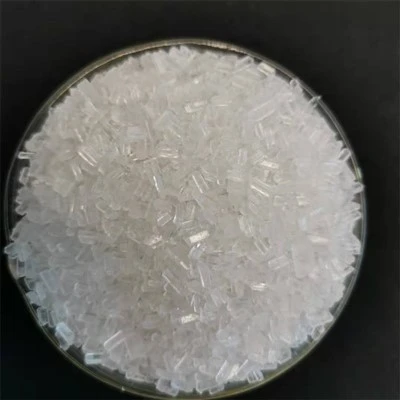
First, let’s cut to the chase: agricultural zinc sulfate heptahydrate isn’t like table salt, even though it looks similar. It’s a water-soluble fertilizer micronutrient – super key for crop yields, right? But it’s hygroscopic, which means it sucks in moisture from the air like a sponge. That’s the big one for transport. If moisture gets into the packaging or the shipment, you get clumps that are a pain to spread, even worse if they turn into a soggy, useless sludge. So the first step isn’t loading the truck – it’s prepping the product before it even leaves our warehouse.
Wait, let’s back that up. A lot of suppliers rush packaging to hit deadlines, but we don’t. Every batch we ship gets a quick moisture content check before it goes out – not just a lab test, our warehouse guys do a 5-minute spot check with a portable meter. We target 0.5% max moisture for ag grade zinc sulfate heptahydrate. Any higher, and even a slightly humid day in the back of a trailer will turn half the pallet into clods. Last year, a competitor’s shipment came in with 1.2% moisture, and half their product was unusable – we told the buyer how we fix it, turned that into a repeat customer. Prep the product first, don’t leave that to the driver or the road.
Next, packaging – this is non-negotiable for us. We used to use regular 50-lb poly bags, but those tear easy, especially when pallets get shifted during transport. Now we use two layers: an inner food-grade (wait, no, ag grade – thick polyethylene liner) that’s heat-sealed, and an outer woven polypropylene bag with a tear-proof strip stitched along the seams. No loose bags, no gaps where moisture can creep in. For bulk shipments, we use food-grade dry flexi-tanks? No, wait, bulk granular is different – we use covered, vented bulk containers, but not just any vented. The vents have filter inserts that block out dust and rain, but also let a tiny bit of air circulate so condensation doesn’t build up inside the container. Old trick we learned: if you seal a bulk container too tight, the temperature changes during the drive will cause condensation – like a soda can sweating on a hot day. Vent it just enough, not too much. That’s a middle ground most people miss.
Now, the transport part – this is where a lot of small-scale farmers or new haulers mess up. First, trailer prep. We don’t let drivers pick a random trailer. Before loading, they have to sweep it out, make sure there’s no leftover fertilizer residue, dirt, or even water from a previous load. Last month, a driver didn’t check, and we ended up with a pallet that had a little bit of old nitrogen fertilizer dust on it – contaminated our zinc, had to reprocess the whole pallet. Moral of the story: trailer prep is 2 minutes of work that saves hours of headaches. Also, if it’s going to rain, the trailer’s roof has to be in perfect shape – no tears, no loose seals. We pay drivers a small “prep bonus” to do this, because it’s worth it.
Then, loading and securing pallets. We stack pallets no higher than 4 feet – zinc sulfate heptahydrate is granular, so tall stacks can shift, and if a pallet falls, not only is the product ruined, it’s a safety hazard for the driver. We use stretch wrap that’s 150 gauge, not the thin 75-gauge stuff you buy at the dollar store. And we add two heavy-duty straps around the entire pallet band, not just the top layer. On long hauls, we tell drivers to stop every 100 miles or so to double-check straps – vibration on the highway will loosen them. One time, a driver skipped that, and a pallet shifted into the side of the trailer, tearing the outer bag. Lost about 200 lbs of product, had to issue a refund – not fun.
Weather is the wild card here, and we’ve had to adjust our routes based on that. If the forecast calls for more than 30% chance of heavy rain during transport, we switch to enclosed vans instead of flatbeds. Wait, some people use tarps for flatbeds, but tarps can leak, especially if they’re old. We’ve tested 10 different tarp brands, and the ones with a rubberized bottom seal work best, but even then, we never ship ag zinc on a flatbed in heavy rain. Also, extreme cold – wait, people ask all the time, does cold affect this stuff? Nope, it’s stable down to like -20°F, but if it gets too cold, the stretch wrap gets brittle, so we use a thicker, cold-resistant stretch wrap for winter hauls. Another thing: high humidity. If we’re shipping to the Gulf Coast in July, we add a small desiccant packet to each 50-lb bag – not enough to make it a hassle, just enough to suck up any stray moisture inside the bag. We used to skip that, and half the shipments to Florida had clumps by the time they arrived. Now that’s a standard add-on for those routes, and complaints dropped 90%.
Wait, what about unloading? That’s another part people forget. If the buyer is unloading with a forklift, they have to do it gently – dropping a pallet from 2 feet high will break the bags or create gaps where moisture can get in. We include a one-page sheet with every shipment that says: “Unload pallets slowly, store in a dry, covered area, unstack no higher than 3 pallets.” Last year, a farm tried to stack 5 pallets in a open shed, and half the top one got rained on overnight. They blamed us at first, but once we sent them the sheet, they apologized – it’s a two-way street. We’re responsible for shipping it safe, but buyers have to store it right too.
Now, common mistakes we see other suppliers make, so you know what to avoid. First, cutting corners on packaging. We’ve seen guys ship this stuff in paper bags – paper absorbs moisture like crazy. Within 2 days, the whole batch is caked. Second, skipping trailer checks. I told you about that contamination incident – that was because the driver didn’t sweep out a load of urea. Urea and zinc can react, right? Wait, yeah, agricultural zinc sulfate is acidic, so mixing with alkaline fertilizers like urea can cause chemical reactions that make the zinc less effective. That’s another thing – you can’t ship zinc heptahydrate with other fertilizers unless the trailer is 100% clean. We only ship it alone, or with other inert products that don’t react. If a buyer asks to mix it, we tell them flat out no, unless they want us to use a separate trailer, and they pay for it. No exceptions, because we don’t want to ruin their crop.
Another question we get: is it dangerous to transport? Like, do I need hazmat certification? Let’s be clear – agricultural grade zinc sulfate heptahydrate is not a hazardous material by OSHA or DOT standards, as long as it’s the agricultural grade, not the industrial one. Industrial zinc has heavy metals that are regulated, but the ag grade is formulated to meet crop nutrient standards, so it’s safe. No hazmat placards, no special permits – just standard freight, as long as you follow the packaging and transport rules. That’s a big relief for small haulers who don’t want to deal with red tape.
Wait, let’s talk about a specific example to make this real. Last spring, we had a shipment to a 200-acre farm in Iowa. It was a 12-hour drive, and the forecast said 40% chance of rain halfway. We prepped the trailer, used rubberized tarps, added desiccant packets, and told the driver to check the straps every 50 miles instead of 100 (wind was picking up, so more vibration). When the driver arrived, the farm owner opened one of the bags, and it was perfectly dry, no clumps. He texted us later saying that zinc was a game-changer for their corn yields last year, and this shipment was the best one he’d gotten all season. That’s the win we work for – not just making a sale, but making sure the product gets to the farm in the condition it needs to be.
What about bulk vs. bagged? A lot of buyers ask which is better, and it depends on their needs. Bagged is great for small farms, retail stores, or when you need precise measurements – each 50-lb bag is labeled, easy to store. Bulk is cheaper for big operations, as long as you use the right bulk containers. We use covered, vented bulk bins with liners for bulk shipments, so even if there’s a little moisture in the trailer, the liner keeps the zinc dry. We’ve had bulk shipments go as far as Texas, and they arrive just as good as ones going 2 hours away, as long as the prep is right.
Now, let’s wrap this up with what matters most: it’s not rocket science, but it’s attention to detail. No fancy equipment, just checking moisture before shipping, good packaging, clean trailers, and adjusting for weather. We’ve messed up before – that rain-soaked shipment a couple years ago cost us a couple thousand dollars, but it taught us to never skip the prep steps. If you’re a grower, a hauler, or another supplier, don’t cut corners here – that zinc is going to help your crops grow, and if it’s ruined in transport, you’re wasting time, money, and a chance to get a good yield.
If you’re looking for a reliable supplier that actually knows how to get this stuff to you safely, hit us up to chat about your needs – whether you’re a small family farm, a co-op, or a retail chain, we’ve got the experience to make sure your zinc sulfate heptahydrate arrives in perfect shape. No hassle, no hidden fees, just straight talk about getting your crop the nutrients it needs.
Crystallizer References
United States Department of Agriculture. (2022). Agricultural Fertilizer Handling and Transport Guidelines. U.S. Department of Agriculture, Agricultural Marketing Service.
Occupational Safety and Health Administration. (2021). Safety Data Sheet: Zinc Sulfate Heptahydrate (Agricultural Grade). OSHA Hazard Communication Standard.
International Fertilizer Association. (2020). Best Practices for Fertilizer Packaging and Bulk Transport. IFA Technical Committee.
Shanxi Zhuolian Ruike Technology Co., Ltd.
With abundant experience, we are one of the most reliable agricultural grade zinc sulfate heptahydrate manufacturers and suppliers in China. Please feel free to buy high quality agricultural grade zinc sulfate heptahydrate made in China here from our factory. For price consultation, contact us.
Address: No. 178, South Huan East Street, Phase II, Weiminuo Small and Medium Enterprise Park, Luzhou District, Changzhi City, Shanxi Province, China
E-mail: zlrk168@126.com
WebSite: https://www.zlrktech.com/
