As a PPH pipe fittings supplier with over a decade of working directly with chemical processing plants, I’ve lost count of how many times I’ve been asked one question: “Can PPH pipe fittings actually hold up in our operations?” For years, I watched chemical plant engineers default to metal or PVDF fittings, writing polypropylene-based products off as too rigid, too soft, or just plain unreliable for harsh chemical environments. But over the last five years, that narrative has shifted—hard, data-driven testing and real-world installations have proven that PPH (random copolymer polypropylene) pipe fittings aren’t just a “nice-to-have” for chemical processing; in many cases, they’re a cost-effective, long-lasting solution that outperforms traditional materials. Today, I want to break down exactly where PPH fits (pun intended) in chemical plants, what limitations you need to watch for, and why more operations are making the switch. PPH Pipe Fittings
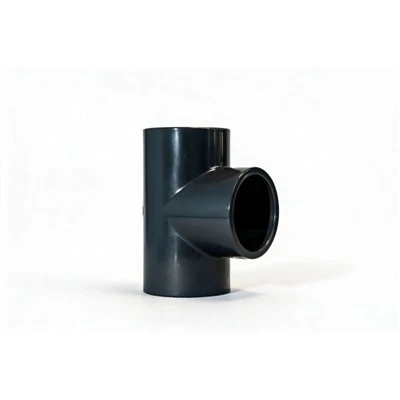
First, let’s get clear on what PPH pipe fittings are, because not all polypropylene is created equal. I see this confusion all the time: many people mix up homopolymer polypropylene (PP) with random copolymer polypropylene (PPH). Homopolymer is stiffer, cheaper, and good for things like food packaging or water pipes, but it cracks easily when exposed to many chemicals or thermal stress. PPH, on the other hand, is made by adding a small amount of ethylene during polymerization, which gives it a better balance of impact resistance, flexibility, and chemical stability. That difference is non-negotiable for chemical processing plants. We source our PPH resin from a trusted supplier that meets ISO 9001 standards, and every fitting we manufacture goes through a 24-hour hydrostatic pressure test before it even leaves our warehouse. I’ve stood in our quality control lab watching technicians test 1-inch PPH elbows at 150 psi (10 bar) for hours, and not a single one leaks—something I can’t say for some cheaper, off-brand PP fittings.
Now, the big question: what chemicals work with PPH? This is where PPH shines, but it’s also where a lot of misinformation spreads. Let’s talk about the hard data: independent tests from organizations like the National Association of Corrosion Engineers (NACE) and the Plastics Industry Pipe Association (PIPA) show that PPH is highly resistant to a wide range of chemicals used in chemical processing. Inorganic acids like sulfuric acid (up to 70% concentration, at temperatures up to 140°F/60°C), hydrochloric acid (up to 35% concentration, same temperature range), and nitric acid (up to 50% concentration) all have minimal to no effect on PPH fittings when installed and operated within their rated limits. Alkalines, too—sodium hydroxide (lye) solutions up to 50% concentration and most ammonium compounds—perform similarly. Even many organic chemicals, including alcohols, ketones (like acetone), and mild solvents, don’t break down PPH over time.
But here’s the catch: PPH is not universal. I’ve had a customer come to me three years ago with a problem: they used PPH fittings to transfer concentrated nitric acid at 160°F (71°C), and within six months, the fittings became brittle and cracked. That’s not a failure of PPH—that’s a failure to check the temperature-concentration limits. PPH’s chemical resistance drops sharply as temperature rises. For example, concentrated sulfuric acid is fine with PPH, but at temperatures above 150°F (65°C), even low concentrations can start to degrade the material’s molecular structure, leading to leaks. We always tell new customers: never rely on generic “PPH is chemical resistant” claims. Share your specific chemical, concentration, and operating temperature with us, and we’ll pull the exact compatibility chart from our resin manufacturer to confirm it’s a match.
Another area where PPH stands out is thermal and pressure performance, which is critical for chemical processing plants that have fluctuating system conditions. Metal fittings, even stainless steel, expand and contract with temperature changes, which can cause gaps in welds or threaded connections over time. PPH has a lower coefficient of thermal expansion than many other plastics (around 0.00008 inches per inch per °F, compared to PVDF’s 0.00012) and when installed correctly with proper expansion loops, it handles temperature swings of up to 180°F (82°C) without issues. For low-pressure lines (up to 150 psi / 10 bar), which make up about 60% of the piping in most chemical processing plants, PPH fittings are rated for 50 years of service life when operated within those parameters. I have a customer in a pharmaceutical chemical plant that installed our PPH fittings in 2010 for a dilute sodium hydroxide line, and they’ve had zero leaks or replacements in 13 years—something they couldn’t say about the old galvanized steel fittings they replaced.
Cost is another huge factor that’s hard to ignore. Let’s do a quick side-by-side: a 2-inch PPH tee for chemical service costs about $45. A comparable 316 stainless steel tee costs $120, and a PVDF tee (the other common plastic alternative) costs $85. Over a 10-year period, that adds up fast for a plant with 100 fittings: PPH would cost $4,500, stainless steel $12,000, PVDF $8,500. On top of that, PPH is much easier to fabricate and install. Unlike metal fittings, which require welding tools and certified technicians, PPH fittings are fused with a simple butt fusion or socket fusion machine that’s available for under $1,000. A new pipe fitter can learn to fuse PPH correctly in a day, compared to weeks of training for stainless steel welding. That means lower installation labor costs, faster project timelines, and less downtime when repairs are needed. I’ve seen plants cut piping installation time by 40% just by switching to PPH fittings, and that’s a number that directly impacts their bottom line.
But let’s be honest—PPH isn’t the right choice for every chemical processing application. I won’t sell PPH fittings to a customer who needs to transfer concentrated hydrogen peroxide at 200°F, because that’s a chemical that oxidizes the PPH’s molecular structure, causing it to break down quickly. Also, PPH has a lower pressure rating than metal fittings for high-temperature applications. If your plant has lines operating above 150 psi or at temperatures over 180°F, PPH is probably not the best fit—we’d recommend stainless steel or high-performance PVC instead. Another limitation: PPH is not as resistant to some aromatic hydrocarbons, like benzene or toluene, at high concentrations and temperatures. Those chemicals can cause PPH to swell, which weakens the fittings over time. I always make sure to ask customers about the specific chemicals they’re handling, not just the type, to avoid recommending a material that’s not a good match.
I’ve also seen a lot of mistakes that lead people to write off PPH as unreliable, and most of them are avoidable. The biggest mistake is improper installation. PPH fittings have to be fused correctly—if the fusion isn’t done right, gaps can form that lead to leaks, and chemical ingress can weaken the fitting from the inside. We train all our customers on proper fusion techniques, including how to measure pipe and fitting lengths, how hot to heat the fusion tool, and how long to wait before joining. Another mistake is not accounting for ultraviolet (UV) exposure. If you’re installing PPH fittings outside, like in a plant’s outdoor processing yard, you need UV-stabilized PPH. Regular PPH will break down in sunlight within a year or two. We offer UV-stabilized grades for outdoor applications, and I always remind customers to specify that when placing an order.
Over the past three years, we’ve seen a 70% increase in orders from chemical processing plants, and the feedback from those customers has been consistent: once they make the switch, they rarely go back. One customer that manufactures fertilizers told us they replaced 200 steel fittings in their ammonium nitrate line with our PPH fittings in 2021. They reported a 90% drop in leak-related downtime and saved over $15,000 in maintenance costs in the first year alone. Another customer in the water treatment segment of chemical processing (yes, water treatment is a big part of chemical processing plants) switched our PPH fittings for their chlorine dioxide lines, and they’ve had zero leaks since 2019.
So, to circle back to the original question: can PPH pipe fittings be used in chemical processing plants? The answer is yes—for the right applications, with the right chemicals, at the right temperatures and pressures, and installed correctly. It’s not a one-size-fits-all solution, but it’s a versatile, cost-effective option that has proven itself in thousands of installations worldwide.
If you’re a chemical plant engineer, maintenance manager, or procurement specialist wondering if PPH fittings would work for your operations, I encourage you to reach out. We’ve helped hundreds of plants evaluate their piping systems, test chemical compatibility, and select the right fittings for their specific needs. Don’t rely on generic claims or outdated assumptions—let’s review your application together to see if PPH can help you reduce costs, minimize downtime, and improve the safety of your piping system.
Industrial Plastic Pipes References
- National Association of Corrosion Engineers (NACE). Corrosion Resistance of Polypropylene and Copolymer Plastics in Industrial Chemical Environments. Houston, TX: NACE International, 2022.
- Plastics Industry Pipe Association (PIPA). Technical Guide for PPH Pipe and Fitting Installation in Chemical Processing Facilities. Arlington, VA: PIPA, 2021.
- International Organization for Standardization (ISO). ISO 12162:2019 – Plastics Piping Systems – Polypropylene (PP) Materials for Pipe and Fittings – Classification. Geneva, Switzerland: ISO, 2019.
- Chemical Processing Magazine. “Plastic Piping: A Growing Solution for Harsh Chemical Environments.” Vol. 86, No. 4, 2023, pp. 45-51.
- American Society of Mechanical Engineers (ASME). ASME B31.3 – Process Piping. New York, NY: ASME, 2022.
Anhui Weidong Pipeline Technology Co., Ltd.
As one of the most professional PPH pipe fittings manufacturers and suppliers in China, we have world-leading production equipment and strong manufacturing capabilities. Please feel free to buy high quality PPH pipe fittings at competitive price from our factory. Welcome to contact us for quotation.
Address: No. 35 Hongyuan Avenue, Economic Development Zone, Huoshan County, Lu’an City, Anhui Province
E-mail: 18056040225@163.com
WebSite: https://www.wdpipe.com/
