When I started my food wrap film business 12 years ago, the most common question from restaurants, grocers, and home cooks wasn’t about stretchability or adhesion—it was about what happens to the wrap after it’s peeled off a leftover sandwich or a tray of fresh berries. Back then, most of the food wrap on the market was made from low-density polyethylene (LDPE), a plastic that’s notorious for sitting in landfills for hundreds of years. I’d get frustrated explaining that traditional wrap isn’t recyclable for most curbside programs, and it rarely breaks down on its own. Over the last decade, the conversation has shifted: today, every client who reaches out, from small family diners to large grocery chains, asks some version of, “Is your food wrap film biodegradable?” Food Wrap Film
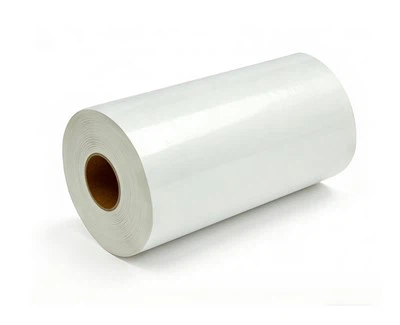
It’s a question that doesn’t have a one-size-fits-all answer, and as a supplier, I’ve spent years testing materials, working with independent labs, and sorting through the noise of green marketing that overstates what some products can do. Let’s break this down with the kind of real-world context my clients rely on—no corporate jargon, no misleading claims, just what we’ve learned by selling wrap to thousands of kitchens and homes, and what science has actually proven about biodegradability in food packaging.
First, let’s define what “biodegradable” actually means, because that’s where most of the confusion starts. The term gets thrown around so loosely that a product that takes 100 years to break down might be labeled biodegradable, while a material that meets strict industry standards is lumped in with “compostable” or “oxo-degradable.” For food wrap, the key benchmarks come from two main certifications: ASTM D6400 (for compostable plastics in industrial composting facilities) and ASTM D6691 (for marine biodegradability), plus the European standard EN 13432, which aligns closely with ASTM D6400. These standards aren’t arbitrary—they’re set by independent scientists, and they require that a product breaks down into carbon dioxide, water, and biomass within a specific time frame (usually 180 days for compostable materials) and leaves no toxic residue behind.
Most of the “biodegradable” wrap you see on store shelves today doesn’t meet these standards. Let’s talk about traditional LDPE wrap first, because that’s still the most common type sold worldwide. LDPE is a petroleum-based plastic, and while it does slowly break down into smaller microplastics over time (a process called photodegradation, triggered by sunlight), that’s not the same as true biodegradation. Microplastics are a huge problem—they don’t disappear, they just get smaller, and they end up in soil, water, and eventually the food we eat. A 2022 study from the Ocean Conservancy found that single-use plastics like food wrap make up 30% of all marine plastic debris, and LDPE wrap is one of the most common items found in beach cleanups. When clients ask if our standard LDPE wrap is biodegradable, I tell them the truth: it’s not. It’s recyclable only in specialized facilities that accept #4 plastic, which most curbside programs don’t, and it can take 200 to 500 years to decompose in a landfill. That’s not a selling point, and we stopped promoting our LDPE wrap as eco-friendly years ago.
Now, the good stuff: biodegradable food wrap that actually lives up to the name. The best biodegradable wraps we supply are made from plant-based materials, most commonly polylactic acid (PLA) derived from corn starch or sugarcane, sometimes blended with other natural fibers to add stretch and durability. These materials do meet ASTM D6400 and EN 13432 standards—they break down completely in an industrial composting facility in about 90 to 180 days, leaving only organic matter that feeds plants. But here’s the catch: industrial composting isn’t available everywhere. For small towns or rural areas without compost programs, a true biodegradable wrap might end up in a landfill with LDPE, where it will break down much slower because of the lack of oxygen and sunlight. That’s why we always advise clients to check their local waste infrastructure before switching to 100% biodegradable wrap—it’s only effective if it can actually reach a compost facility.
Then there’s the in-between option that’s become popular in recent years: oxo-degradable wrap. A lot of suppliers market this as biodegradable, and I’ve seen it win bids because it’s cheaper than plant-based alternatives, but it’s not what you want if you’re serious about reducing plastic waste. Oxo-degradable wrap has additives that break the plastic down into microplastics when exposed to sunlight, but those microplastics never fully biodegrade—they just get smaller, and they can still leach into the environment. The European Union has even banned oxo-degradable plastics because of their environmental impact, and a 2021 study from the University of California found that these microplastics are present in 80% of tap water samples across the U.S. As a supplier, we refuse to sell oxo-degradable wrap, no matter how attractive the price point is—we’d rather be transparent about our products’ limitations than mislead customers.
Another type of wrap we’ve tested is home compostable wrap, which is designed to break down in a backyard compost pile, not just an industrial facility. These are ideal for home cooks and small businesses that don’t have access to commercial composting, but they usually have a shorter shelf life—they can start to break down after a few months, especially if exposed to high heat or humidity. We always warn clients that home compostable wrap isn’t as durable as LDPE, so it might not work as well for wrapping large trays of food or items that need to stay fresh for a week. For most restaurant clients, we recommend a middle ground: a plant-based wrap that’s industrial compostable, but has enough stretch to work with their prep process, plus a clear label that tells customers where to take it for composting.
Let’s talk about a common myth, too: some people think all biodegradable wrap is better for food safety. That’s not always true. Traditional LDPE wrap is approved for direct food contact, and the biodegradable wraps we sell are also FDA-approved for food contact, but some cheaper plant-based wraps can leave a weird aftertaste on acidic foods like tomatoes or citrus. We’ve spent two years testing different formulations, and the ones we carry have a neutral taste, so they don’t affect the flavor of the food. We also make sure our wraps don’t leach any chemicals into food—another point we verify with third-party lab tests every year.
So what’s the real answer to the question “Is food wrap film biodegradable?” It depends on what you’re buying. If you’re choosing the cheap, uncertified wrap that says “biodegradable” on the label, it’s probably not—at least not in a way that makes a difference for the environment. If you’re choosing a certified wrap (ASTM D6400, EN 13432) made from plant-based materials, it is biodegradable, but only if it’s disposed of properly. And if you’re looking for a wrap that works for both commercial and home use, you’ll need to balance durability, sustainability, and waste infrastructure.
Over the years, we’ve seen a lot of trends come and go in the packaging industry, but the demand for transparent, eco-friendly wrap hasn’t slowed down. Last year, we increased our biodegradable wrap inventory by 45% because so many of our clients, from a small bakery in Portland to a large grocery chain in Chicago, are setting sustainability goals. But we also see clients making mistakes: I had a restaurant owner last quarter who switched to a $0.01 cheaper biodegradable wrap, only to find it broke mid-prep, ruining 20 trays of chicken, and he ended up spending more on wasted food than he saved on wrap. That’s why we work with every client to figure out the right product for their needs, not just the cheapest one.
For businesses looking to make the switch, here’s what I advise: first, audit your waste stream. Do you have access to industrial composting, or do most of your waste go to a landfill? What kind of food are you wrapping—high-moisture, acidic foods that might react with certain materials, or dry items that don’t need as much barrier protection? Then, look for third-party certifications, not just green labels. If a wrap says “biodegradable” but doesn’t have ASTM or EN certification, ask for proof. And don’t forget to educate your customers: if your wrap is compostable, put a sign on the counter or your website telling people to take it to their local compost facility, so it actually does what it’s supposed to do.
For home cooks, the same rules apply. If you want to reduce your plastic waste, swap your traditional wrap for a certified plant-based wrap, but make sure you know how to dispose of it. If you have a backyard compost pile, look for home compostable wrap. If you only have curbside trash, stick to wrap that’s recyclable in your area, because even biodegradable wrap won’t decompose in a landfill quickly enough to make a difference.
As a supplier, I get asked every day if our wrap is biodegradable, and I always give the straight answer. We don’t sell a one-size-fits-all product, and we never promise something our wrap can’t do. What matters most to me, as someone who’s been in this business for 12 years, is that our products are honest—about their strengths, their limitations, and their impact on the planet.

If you’re a restaurant owner, grocery manager, or home cook looking to switch to a more sustainable food wrap, and you want to cut through the greenwashing to find the right product for your needs, don’t hesitate to reach out. We can walk you through the different types of wrap, help you calculate the cost savings or changes in workflow, and make sure you’re making a choice that’s good for your business and the environment.
Barrier Shrink Bag References
- Ocean Conservancy. (2022). Global Beach Cleanup Report: Marine Debris Trends and Impacts.
- University of California, Santa Barbara. (2021). Microplastic Emissions from Oxo-Degradable Plastics in Aquatic Environments.
- ASTM International. (2023). Standard Test Method for Determining Aerobic Biodegradation of Plastic Materials in Compost.
- European Commission. (2020). Regulation on Restricting Oxo-Degradable Plastics in Single-Use Applications.
- U.S. Food and Drug Administration. (2022). Guidance for Industry: Biodegradable Plastics in Food Contact Applications.
Sinosealed Packaging Solutions Limited
With a professional production team, we are one of the most experienced food wrap film manufacturers and suppliers in China. Please rest assured to buy high quality food wrap film for sale here from our factory. For price consultation, contact us.
Address: Luohe City, Henan Province, China
E-mail: contact@barrierpackage.com
WebSite: https://www.barrierpackage.com/
